
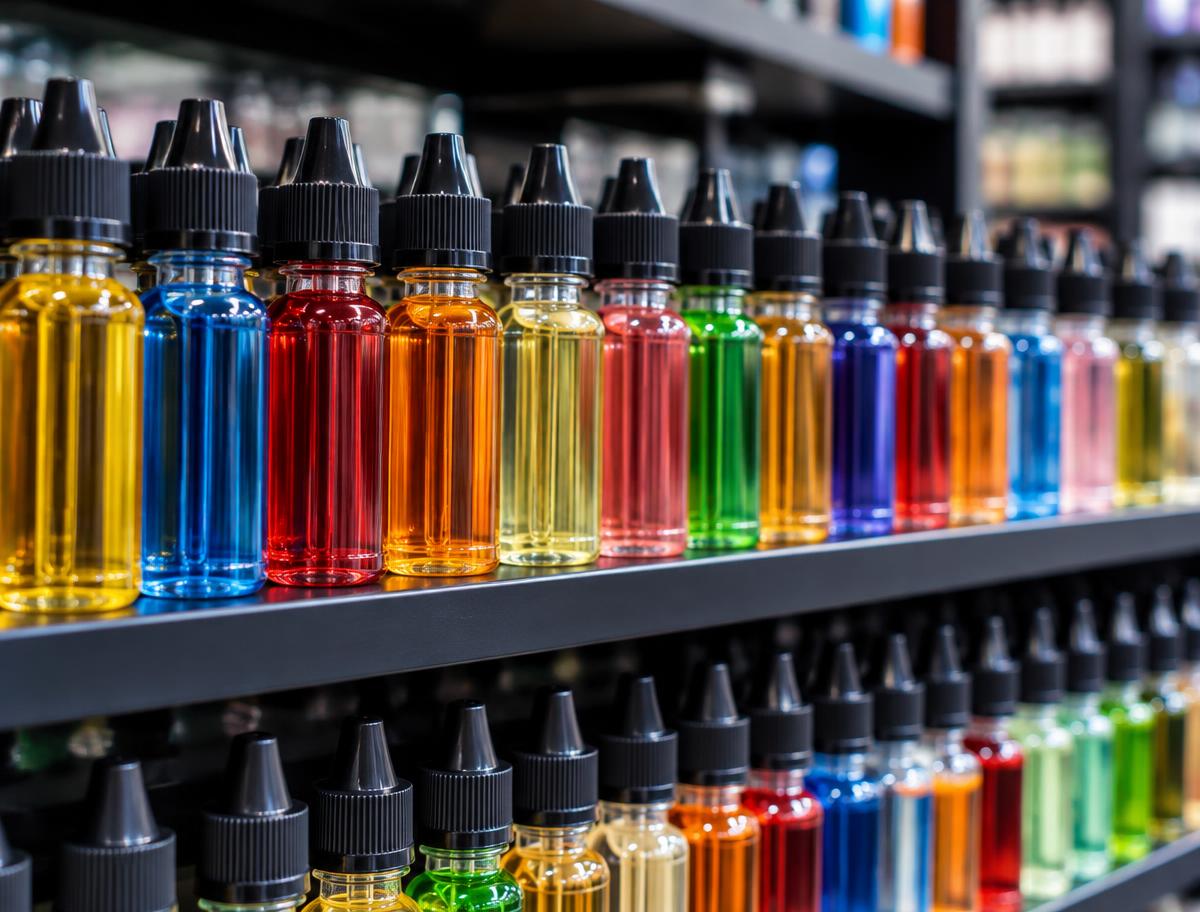
A new Vaping Products Duty took effect across the UK on 1 October 2026, applying a flat charge of £2.20 per 10ml of vaping liquid, HM Revenue & Customs has confirmed, marking the first time vaping products have been subject to a dedicated excise duty in the UK.
The duty is paid by manufacturers, importers and approved warehousekeepers handling vaping liquid within the UK supply chain, rather than being collected directly from consumers at the point of sale, though the cost is widely expected to be reflected in retail prices over time.
Why the government introduced the duty
Ministers have said the aim of the new duty is to make vaping less affordable and less appealing, particularly to young people and to non-smokers who might otherwise be drawn into vaping without ever having smoked tobacco. Public health officials have expressed concern in recent years over a sharp rise in vaping among teenagers and young adults, with disposable vapes in particular criticised for their appeal to younger users through flavoured liquids and low prices.
Whether the full cost of the duty is passed on to shoppers, or partly absorbed elsewhere in the supply chain, remains a commercial decision for manufacturers and retailers, meaning the ultimate price impact at the till may vary between products and retailers.
A new system of duty stamps
Alongside the duty itself, HMRC has launched a Vaping Duty Stamps Scheme, intended to provide digital traceability for vaping products as they move through the supply chain and to help tackle the illicit trade in unregulated or counterfeit vaping liquid, a problem that has grown alongside the legitimate vaping market in recent years.
Retailers have been given a grace period to continue selling existing unstamped stock already in shops until 31 March 2027, giving the trade time to work through inventory purchased before the scheme began. From 1 April 2027, however, all vaping products sold in the UK will be required to carry a valid duty stamp, after which unstamped products will no longer be legal to sell.
Tobacco duty rises too
HMRC confirmed that tobacco duty rates also increased on the same day the vaping duty came into force. The department said this was designed to maintain a financial incentive for smokers to switch to vaping as a less harmful alternative, even as vaping itself becomes more expensive, preserving a price gap between the two products that officials regard as important for public health messaging around smoking cessation.
Public health specialists have generally agreed that vaping carries significantly lower health risks than smoking tobacco, even as they caution that long-term evidence on vaping is still accumulating and that non-smokers, especially young people, should be discouraged from taking it up in the first place. The dual approach of taxing vaping while keeping tobacco duty higher still is intended to reflect that distinction in relative harm.
Context: a fast-growing and previously untaxed market
Vaping products have expanded rapidly in the UK over the past decade, moving from a niche smoking-cessation tool into a mass-market consumer product, particularly disposable vapes sold cheaply in convenience stores and supermarkets. Until this duty came into force, vaping liquids were subject only to standard VAT, unlike tobacco products, which have long carried substantial additional excise duties reflecting their established health risks. The introduction of a dedicated vaping duty brings the tax treatment of vaping products more closely in line with other regulated products, following years of debate in Westminster over how vaping should be taxed and regulated as its popularity grew, including a separate ban on disposable vapes introduced on environmental grounds.
What comes next
Retailers and manufacturers will need to adjust to the new duty and prepare for the full rollout of the duty stamps scheme ahead of the April 2027 deadline, while HMRC is expected to monitor compliance and enforcement as the new regime becomes fully established across the vaping trade.