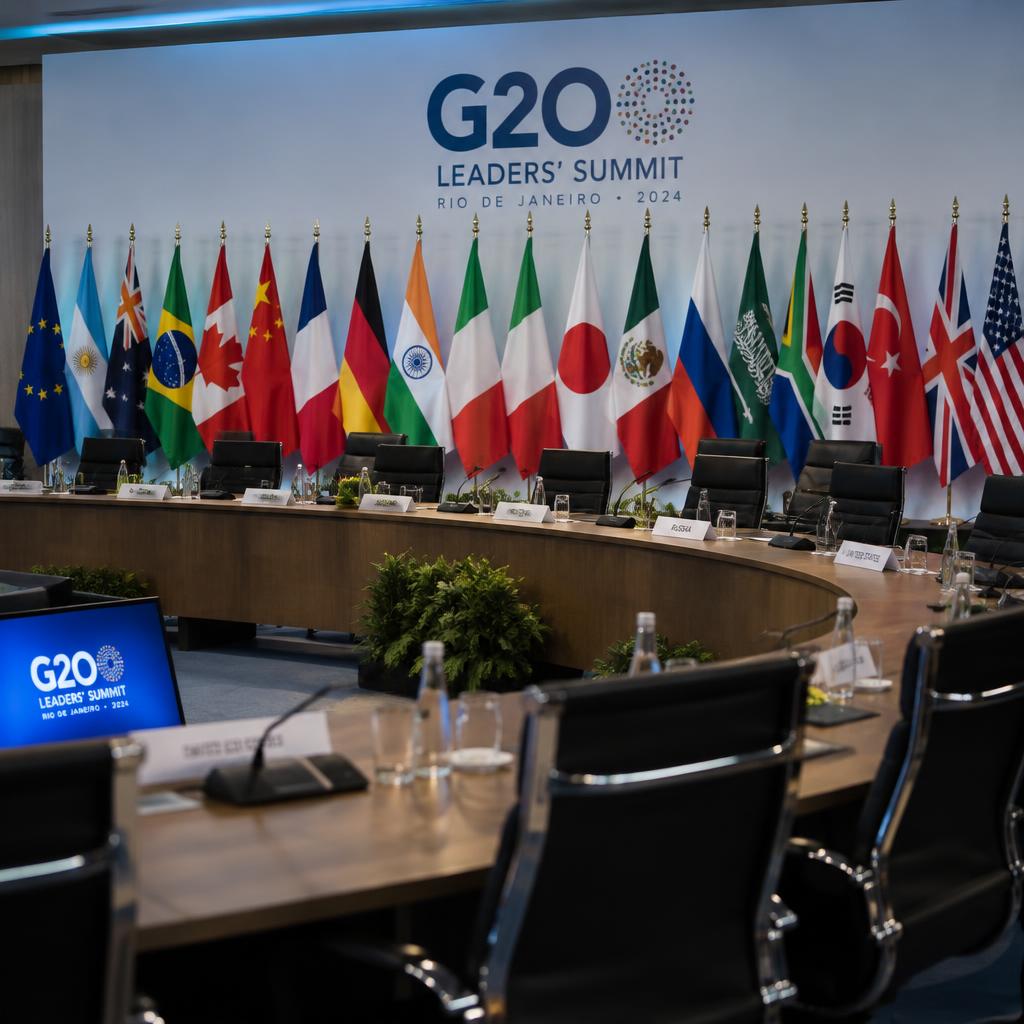
The United States has invited Vladimir Putin to attend the G20 leaders' meeting in December, setting up the possibility of a face-to-face summit with Donald Trump at a moment of deep tension over the war in Ukraine.
The invitation, confirmed by officials in Washington, would mark the Russian president's most significant appearance at a gathering of Western-led economies since the full-scale invasion of Ukraine.
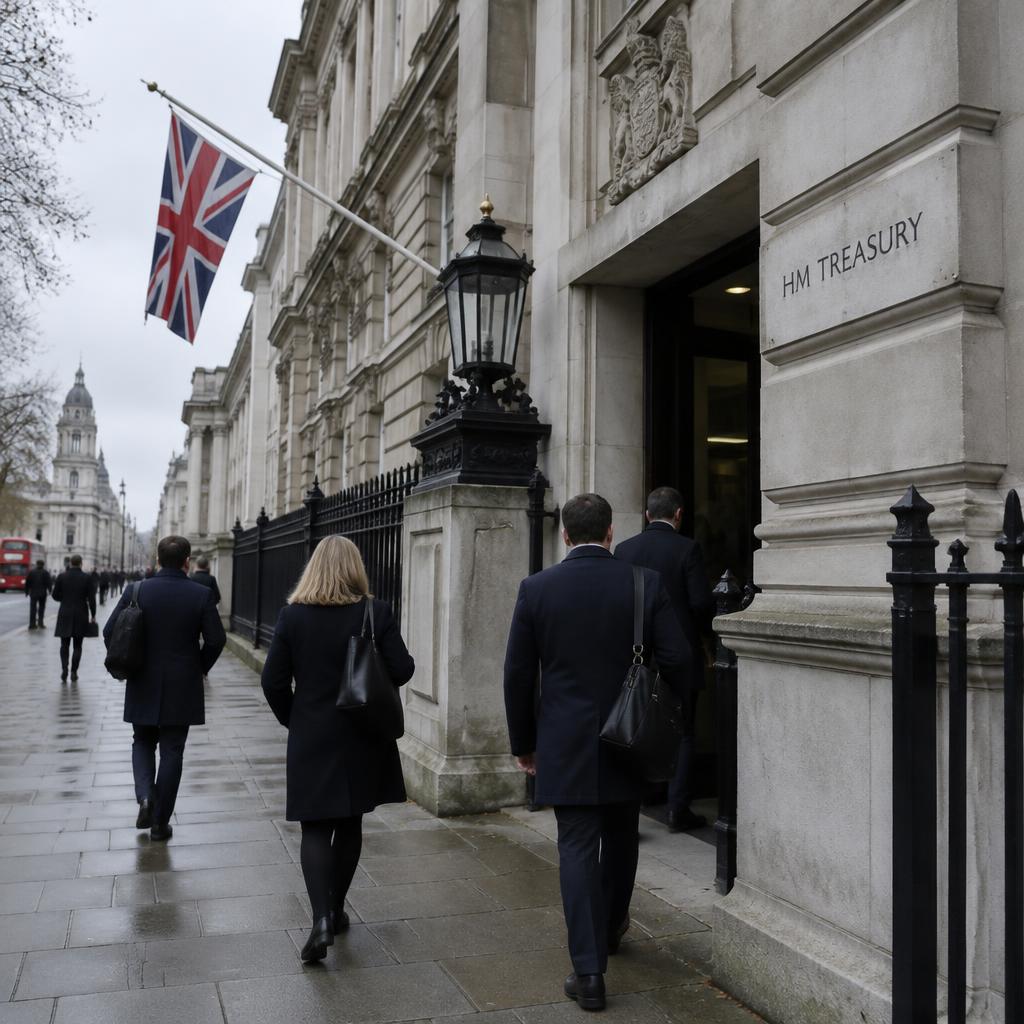
It comes days after Mr Trump waived key Russia-related sanctions and tariffs before they took effect under a new law — a decision that has alarmed Kyiv and several European capitals.
A diplomatic gamble
Supporters of the invitation argue that the G20, which includes Russia as a member, cannot function as a forum for the world's largest economies while one of its members is frozen out. A December meeting, they say, offers a rare chance for direct leader-level contact.
Critics see it differently. They warn that inviting Mr Putin before any ceasefire rewards aggression, risks splitting the Western alliance and hands the Kremlin a propaganda victory without concessions in return.
The Kremlin has not confirmed whether Mr Putin will attend. Russian officials have previously cited security concerns and the International Criminal Court's arrest warrant for the president as obstacles to travel.
Kyiv's alarm
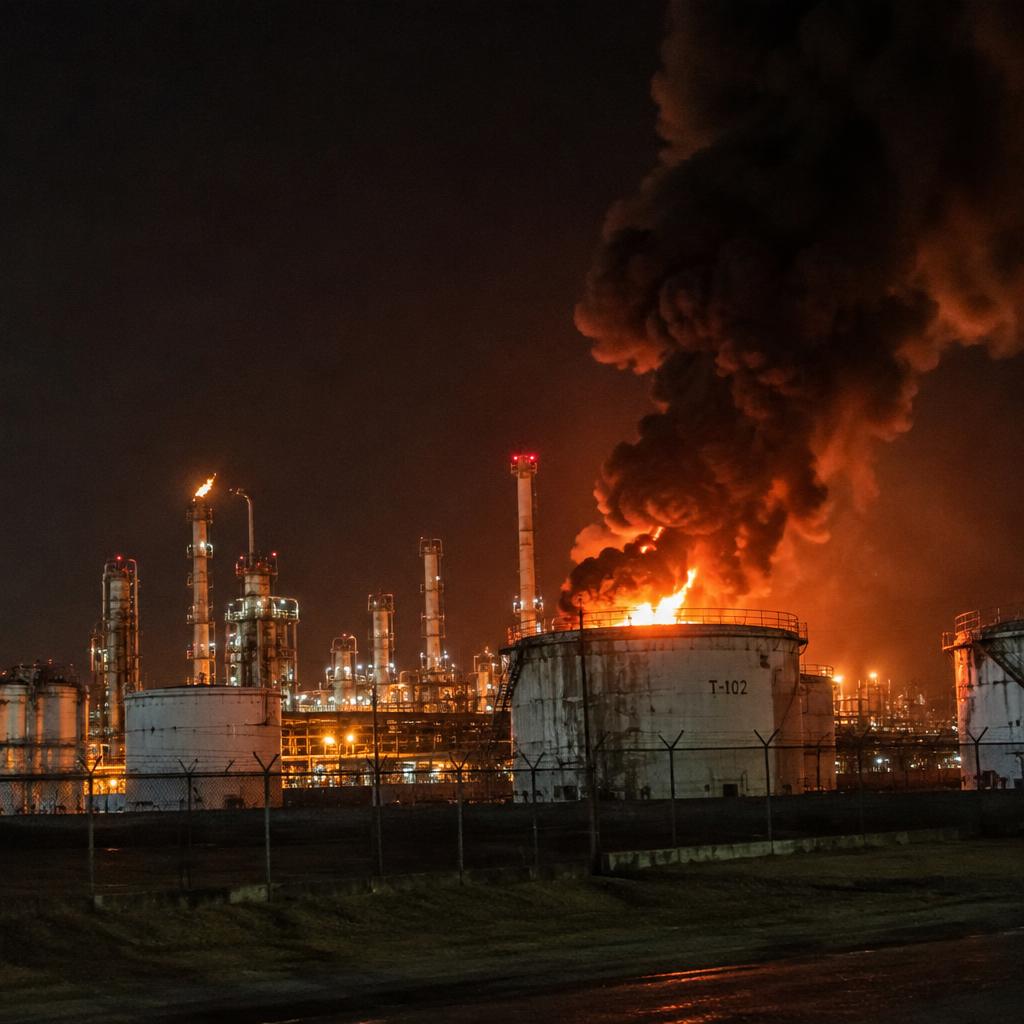
The reaction in Ukraine has been one of barely concealed dismay. President Volodymyr Zelenskyy has grown openly frustrated with Washington in recent days, after Mr Trump described Ukraine's renewed strikes on Russian oil refineries as "a disgrace".
Ukrainian officials fear that a Trump-Putin meeting over their heads could produce pressure for a settlement on terms favourable to Moscow — a fear sharpened by the sanctions waiver and by disputes over satellite intelligence support for Ukrainian forces.
European leaders have publicly urged Washington to hold the line. Italy's foreign minister told the BBC this week that Mr Trump was "completely wrong" to restrict support for Ukraine, an unusually blunt intervention from a Rome government that has cultivated warm ties with the White House.
The shape of a possible deal
Diplomats say any Trump-Putin encounter would likely focus on a framework for a ceasefire, the status of occupied territory, sanctions relief and security guarantees — the same issues that have defeated negotiators for years.
The differences remain vast. Russia insists on recognition of its territorial gains and limits on Ukraine's armed forces; Ukraine demands the restoration of its territory and binding Western security commitments.
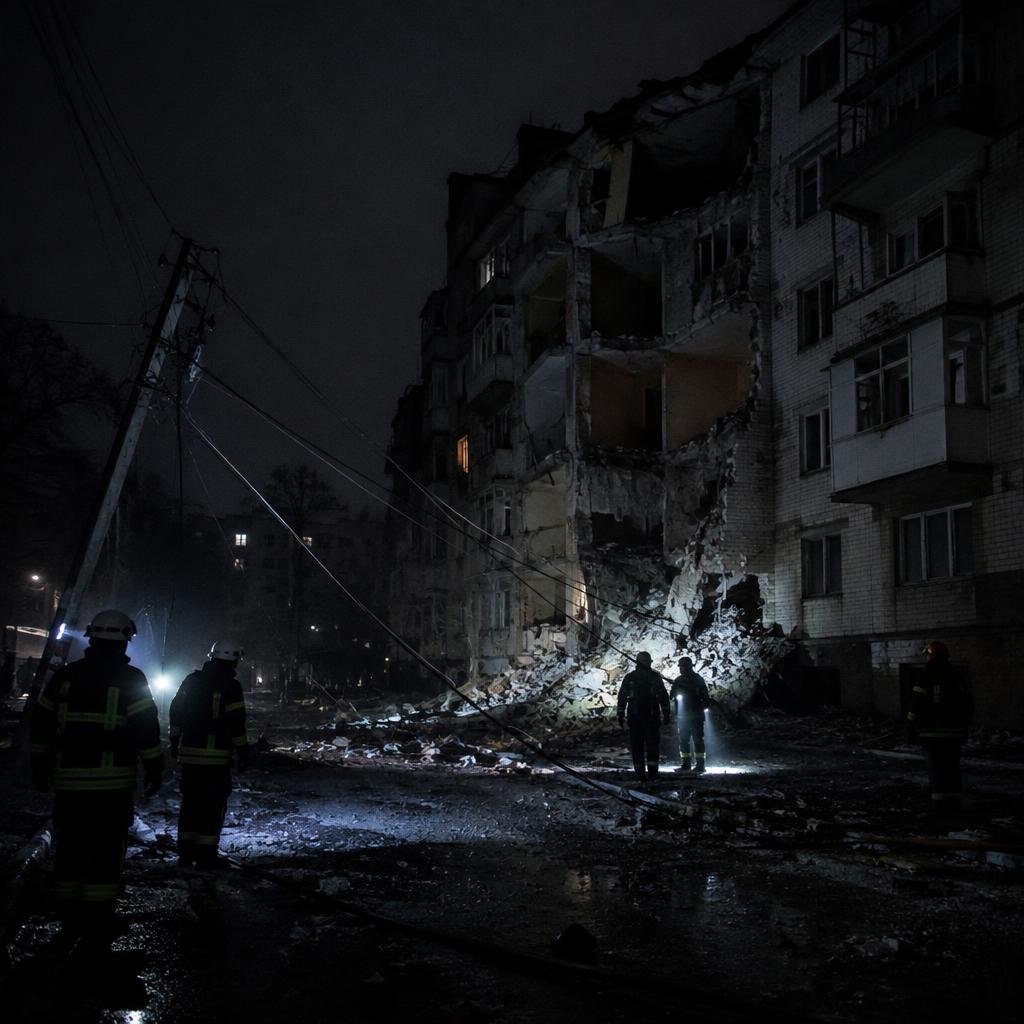
Neither side shows signs of bending. Russian attacks this week killed eight people and cut power to more than a million, while Ukrainian drones have continued to strike deep into Russian territory.
What happens next
The December summit is weeks away, and much could change. Previous attempts at leader-level diplomacy have collapsed over timing, venue and preconditions.
But the invitation alone marks a shift. After a period in which Washington's policy appeared to harden, the door to a deal — or at least to a conversation about one — has been opened.
For Ukraine and its European backers, the anxiety is not that the two presidents will meet. It is what they might agree when they do.
The G20 itself has been reshaped by the war. Summits since 2022 have been dominated by arguments over communiqués, walkouts and awkward choreography around Russian officials. A Putin attendance would test the forum as never before, forcing host and member nations to decide whether to share a room — and a photograph — with a leader wanted by the International Criminal Court. Several member states are ICC signatories and would face legal as well as political questions. Diplomats involved in the planning say contingency arrangements are being drawn up for multiple scenarios, including a Russian delegation led by a senior minister instead. Either way, the December gathering now promises to be the most closely watched diplomatic event of the year.