Russian missile and drone attacks have killed at least eight people across Ukraine and cut electricity to more than a million, in one of the heaviest nights of strikes on the country's energy system this autumn.
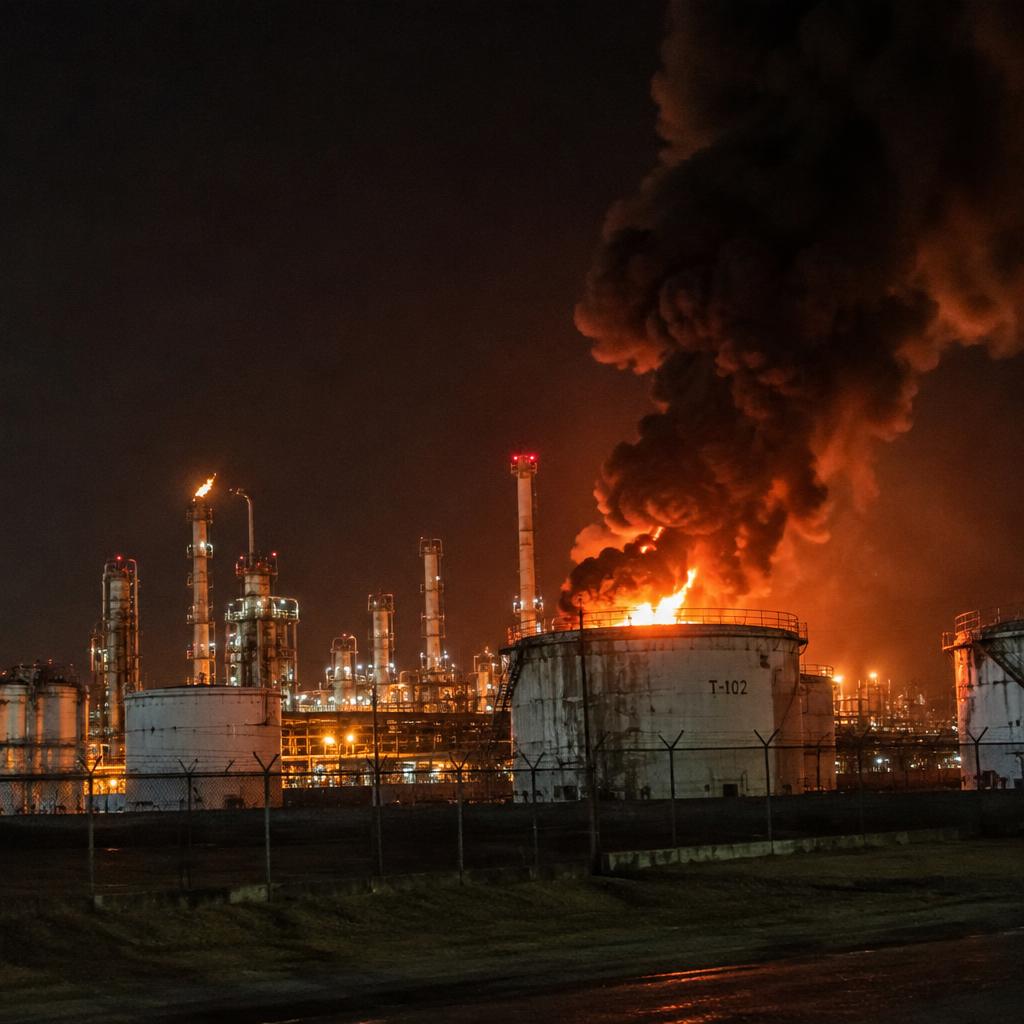
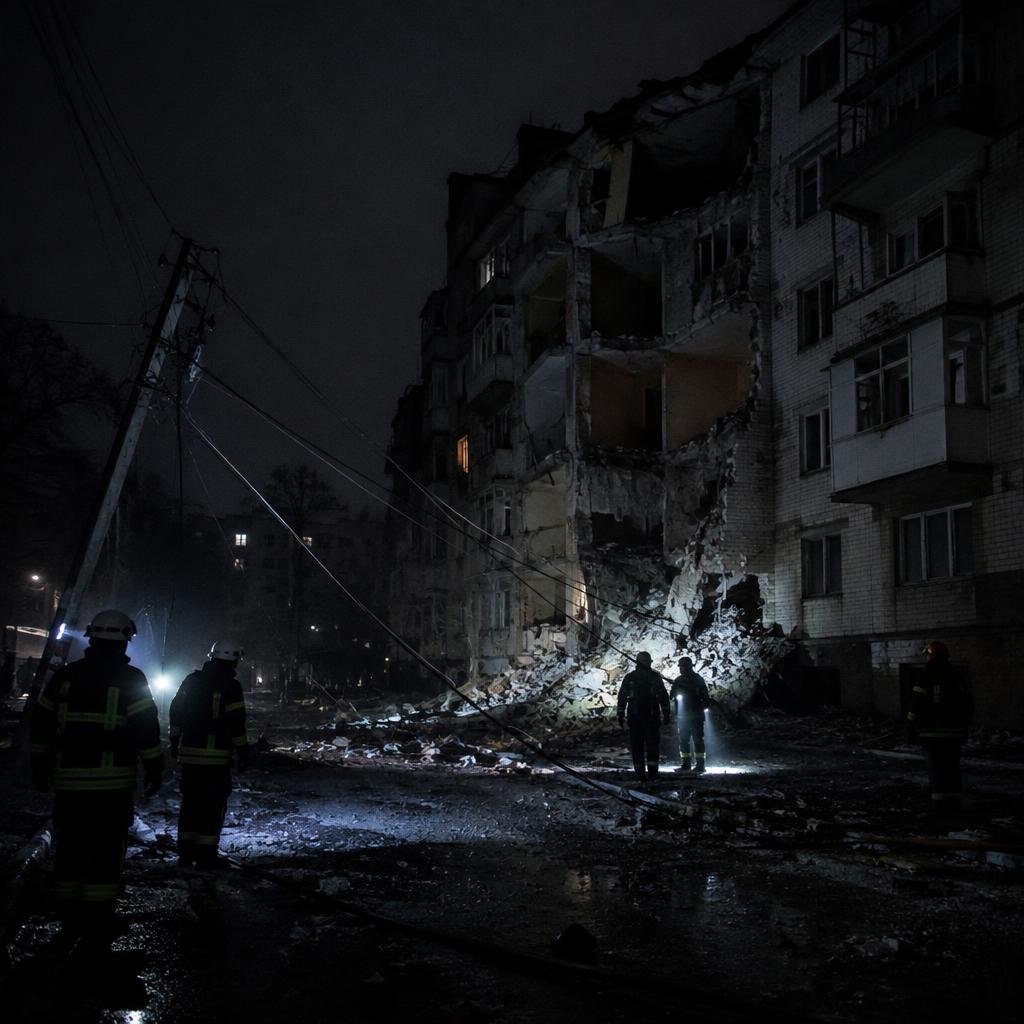
Emergency services worked through the night in several regions, pulling survivors from damaged apartment blocks and battling fires at power facilities. The aftermath of one strike in the Kharkiv region left rescuers searching rubble by torchlight.
Ukraine's air force said it had shot down the majority of the incoming drones and missiles, but acknowledged that a significant number had got through, hitting energy infrastructure and residential areas.
A familiar strategy
The attacks fit a pattern that has become grimly familiar over four winters of war: a concerted effort to degrade Ukraine's power grid as temperatures fall, maximising the humanitarian pressure on the civilian population.
More than a million people were left without electricity at the height of the disruption, with emergency blackouts introduced in several oblasts. Engineers were working to restore supplies, but officials warned that some repairs would take days.
Kyiv has repeatedly described the campaign against the grid as a war crime, arguing that the strikes serve no military purpose beyond terrorising civilians. Moscow says it targets only military and energy facilities that support the war effort.
The diplomatic backdrop
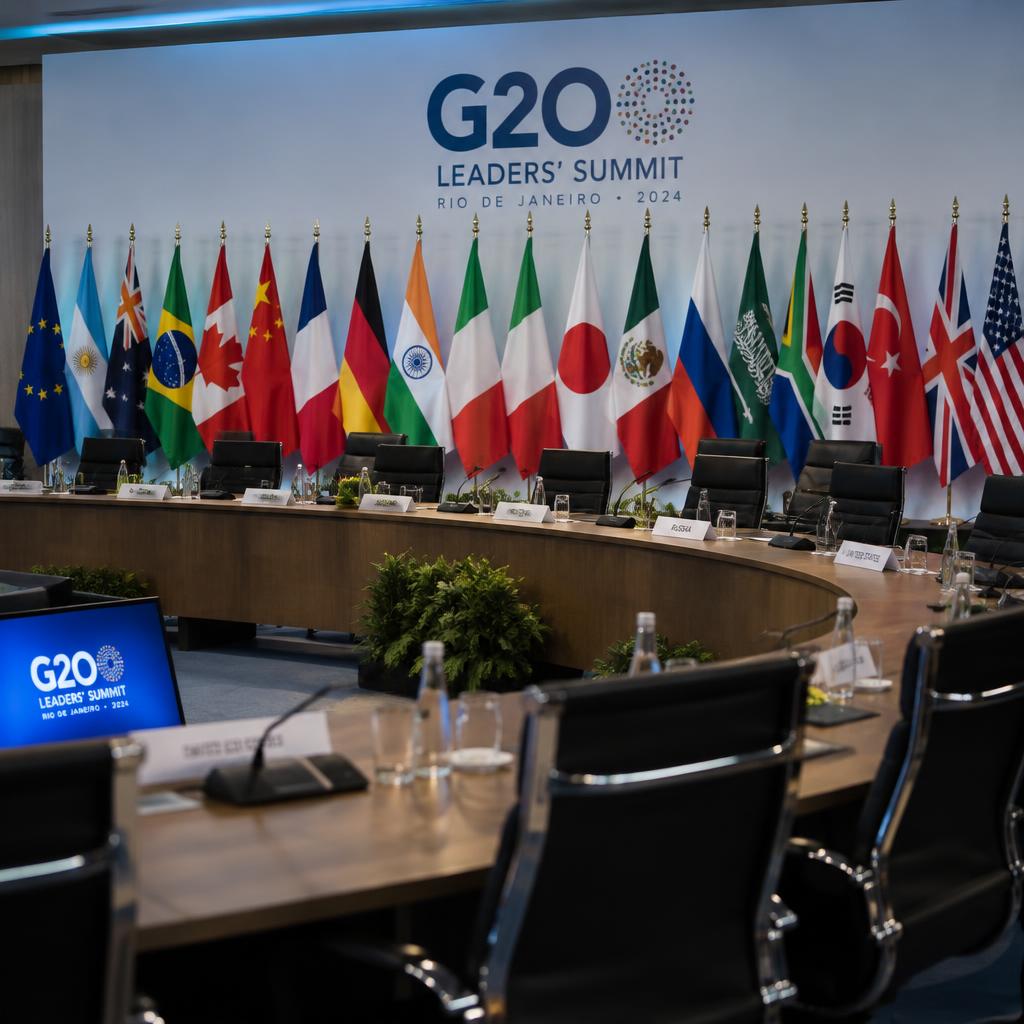
The strikes came at a charged diplomatic moment. Washington has invited Vladimir Putin to the G20 meeting in December and waived key sanctions before they took effect, while President Trump has publicly criticised Ukraine's own strikes on Russian oil refineries.
President Zelenskyy has made little effort to hide his frustration, thanking what he called the "real leaders" in Europe for standing by Kyiv — a remark widely read as a pointed contrast with Washington.
European governments responded to the overnight attacks with fresh condemnations and renewed promises of air defence equipment, though deliveries remain slower than Kyiv says it needs.
Civilians in the cold
For ordinary Ukrainians, the approach of winter brings a dread that has nothing to do with diplomacy. Each autumn since 2022 has brought a race: engineers patching the grid faster than missiles and drones can damage it.
Hospitals, water pumping stations and heating systems all depend on the power network, and prolonged blackouts in sub-zero temperatures can be lethal for the elderly and the very young.
Humanitarian agencies have pre-positioned generators, blankets and cash assistance, but warn that funding for the Ukraine response has fallen sharply as donors' attention has shifted to newer crises.
No end in sight
Neither side currently shows any willingness to stop. Ukraine continues to strike Russian refineries and depots deep behind the lines; Russia continues to pound Ukrainian cities and the grid.
Talk of a ceasefire surfaces regularly in Western capitals, but the battlefield reality is of a war intensifying, not winding down.
For the families of the eight people killed overnight, the diplomatic manoeuvring in Washington and Brussels could hardly feel more distant.
Ukraine's energy ministry said repair crews were working around the clock, but cautioned that repeated strikes on the same facilities were making each restoration harder than the last. Transformers and other heavy equipment take months to manufacture and deliver, and allies have been asked to accelerate shipments of both hardware and air defence interceptors. In Kharkiv, where the grid has been hit repeatedly, residents have become accustomed to a rhythm of blackouts, generators and improvised heating. City authorities have opened heated shelters and are distributing power banks and thermal blankets. With the first frosts already arriving, officials say the coming weeks will show whether the grid — and the people who depend on it — can withstand another winter under fire.