Donald Trump has described Ukraine's renewed drone strikes on Russian oil refineries as "a disgrace", deepening a public rift with President Zelenskyy and provoking an unusually sharp rebuke from a European ally.
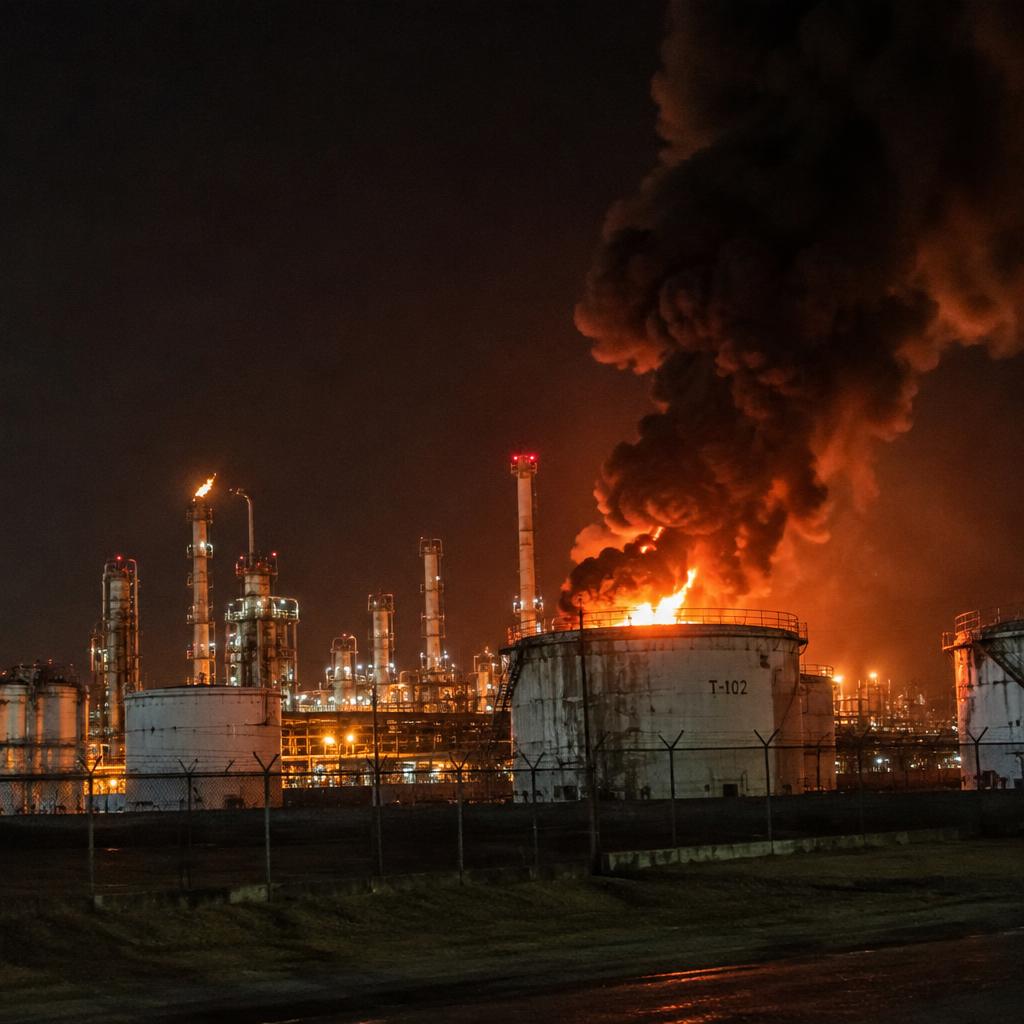
The president's comments, made to reporters as he left the White House, mark his strongest criticism yet of Kyiv's long-range strike campaign, which has knocked out a significant share of Russian refining capacity in recent months.
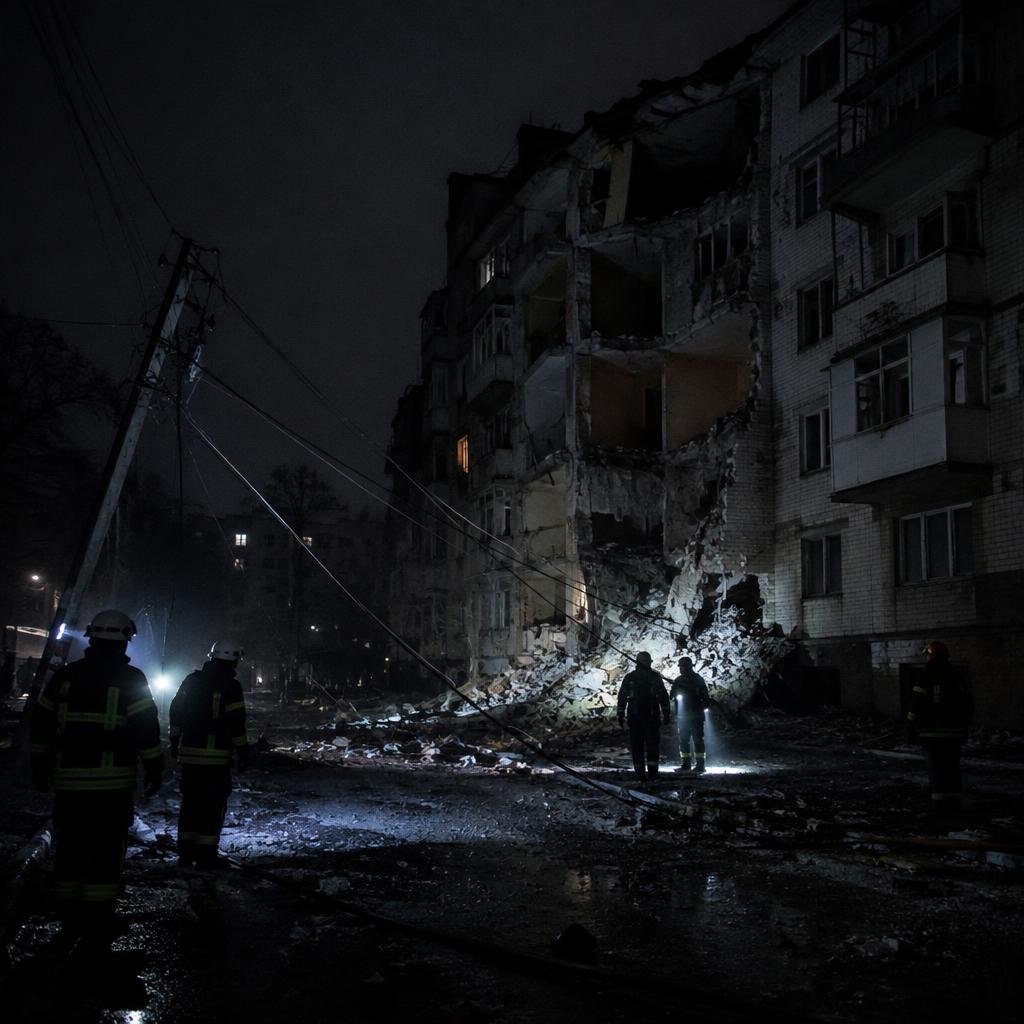
Ukraine argues the strikes are a legitimate response to Russia's attacks on its cities and power grid, and one of the few ways it can impose real costs on the Russian war economy.
Zelenskyy's frustration
President Zelenskyy has not concealed his anger. In remarks to European leaders, he thanked the "real leaders" who continue to support Ukraine — a phrase widely understood as a dig at Washington.
The Ukrainian president's frustration has been building for weeks, over the sanctions waiver granted to Moscow, disputes over access to US satellite intelligence, and now public criticism of a campaign Kyiv regards as central to its survival.
Ukrainian officials privately describe the current moment as the most difficult in the relationship since the start of the full-scale war, worse even than previous public spats between the two presidents.
Italy breaks ranks
The most striking response came from Rome. Italy's foreign minister told the BBC that Mr Trump was "completely wrong" to restrict support for Ukraine — language almost unheard of from a government that has worked hard to stay close to the White House.
The intervention reflects wider European alarm. Defence Secretary John Healey used a visit to Washington to urge the US to back Ukraine, and said access to Starlink satellite services had been restored after a dispute with the Pentagon.
European capitals are now openly discussing how to sustain Ukraine's war effort if American support continues to ebb — a conversation that would have been unthinkable a year ago.
The refinery campaign
Ukraine's drone campaign against Russian refineries has been one of the war's most significant developments this year. Strikes hundreds of miles behind the front line have forced Russia to restrict fuel exports and have pushed up domestic prices.
Western officials have long been ambivalent about the campaign, fearing its effect on global oil prices — a fear that has become acute with crude already above $105 a barrel because of the Iran crisis.
Kyiv's response is blunt: Russia bombs Ukrainian cities every night, and no-one suggests Moscow should hold back to protect commodity markets.
Where this leaves the alliance
The public nature of the dispute is itself significant. Previous disagreements between Washington and Kyiv were managed behind closed doors; this one is being conducted in front of the cameras.
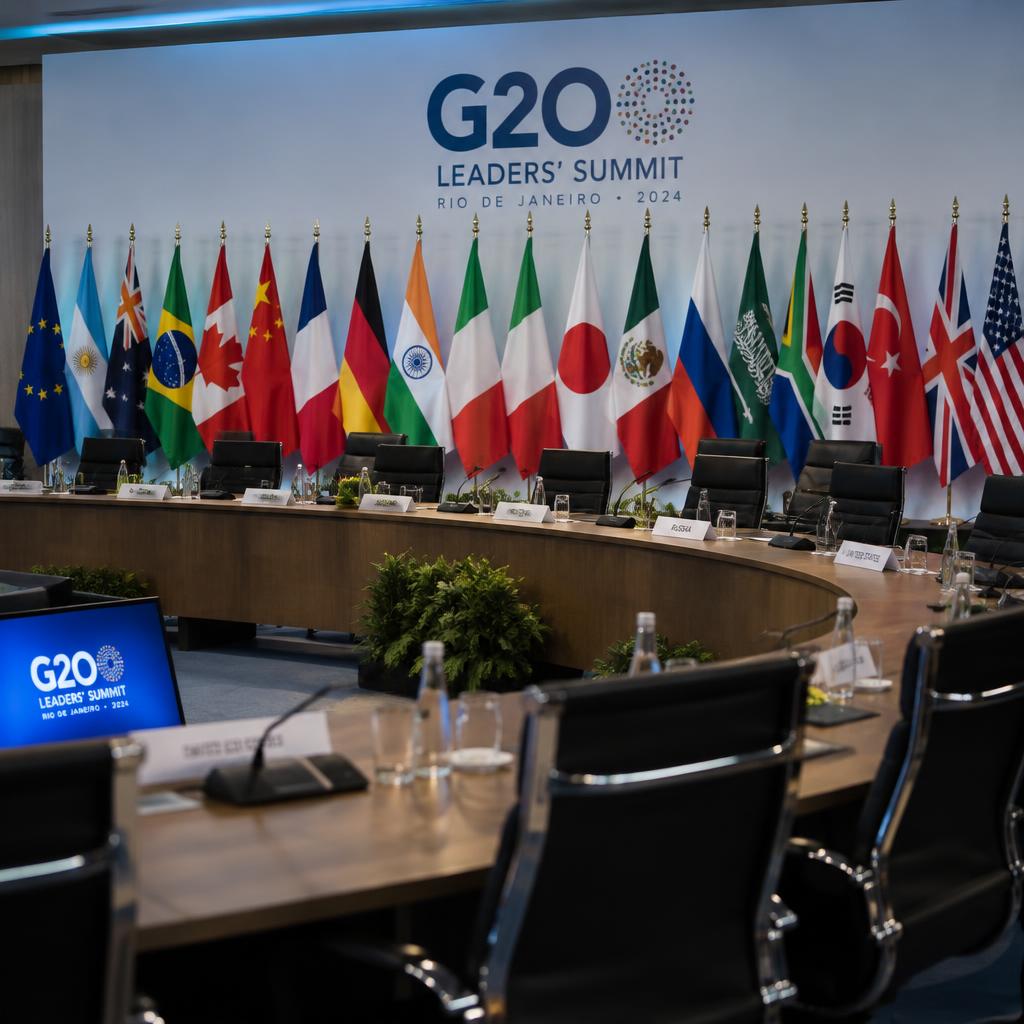
With a possible Trump-Putin meeting now on the horizon at December's G20, Ukrainians fear their president could be presented with a deal negotiated over his head.
For now, the drones keep flying in both directions — and the alliance that has sustained Ukraine through four years of war is showing strain at the very top.
Within Washington, the president's remarks have divided his own party. Senior Republicans on Capitol Hill who have long championed Ukraine expressed private dismay, while the president's closest allies defended his focus on energy prices and his reluctance to escalate confrontation with Moscow. The administration's position, officials insist, is that peace requires pressure on both sides. Critics counter that publicly rebuking the country under attack, while waiving sanctions on the aggressor, sends precisely the wrong signal at precisely the wrong moment. European diplomats, meanwhile, are accelerating contingency planning for a future in which American leadership can no longer be assumed — a shift that would reshape the continent's security for a generation.