The average UK household has paid £13,961 more in essential bills over the past five years than it would have done without the surge in inflation, according to new analysis that heaps pressure on the Chancellor ahead of this month's Budget.
The Trades Union Congress said spiralling mortgage, loan, energy and water costs have left households spending an average of £2,792 extra a year since 2021 — money it argues has been drained straight out of the wider economy.
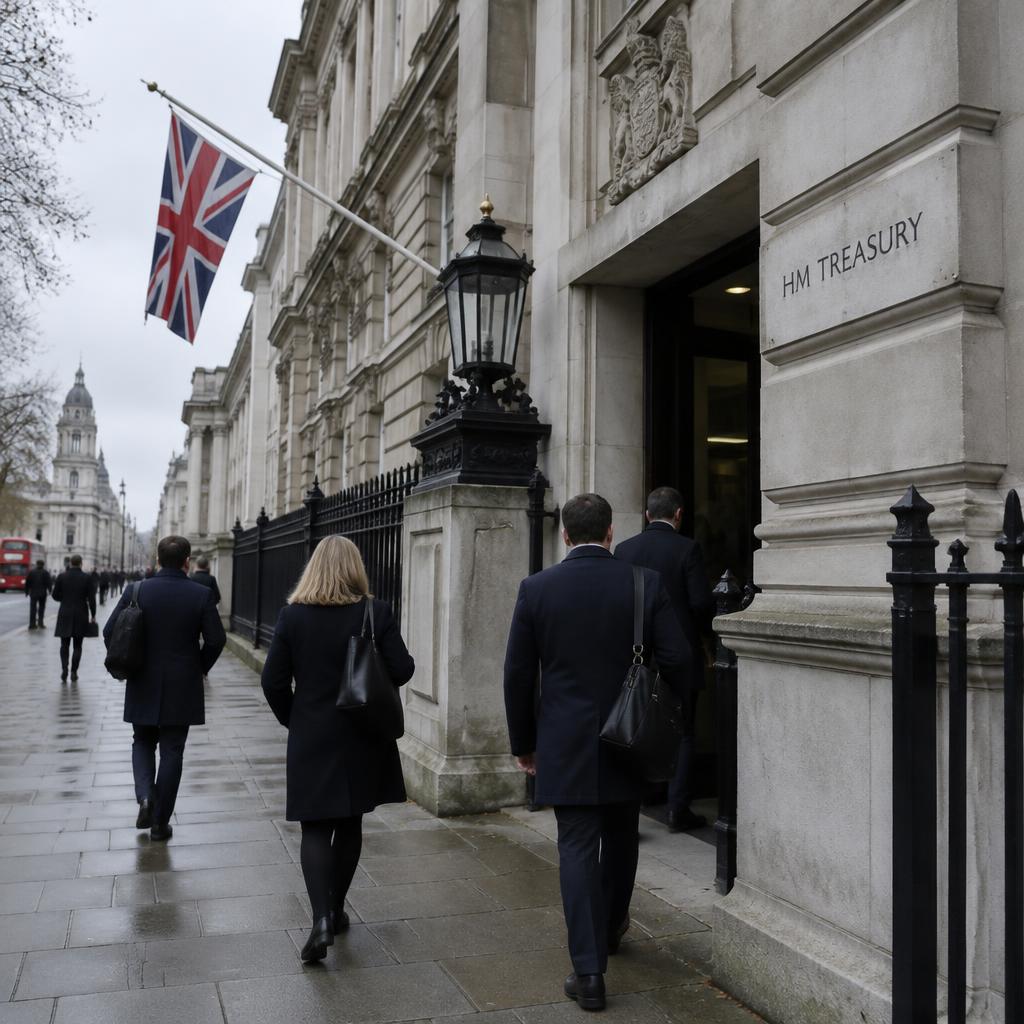
The union body is urging John Healey to use his first Budget on 28 October to bring down living costs, warning that weak consumer spending is now one of the biggest brakes on growth.
The weakest spender in the G7
The analysis, based on official figures, shows the UK has recorded the lowest growth in consumer spending of any G7 nation since before the pandemic — a statistic the TUC says is no coincidence.
When households are forced to spend thousands more on the basics, the argument goes, there is simply less left over for the shops, restaurants, services and local businesses that depend on discretionary spending.
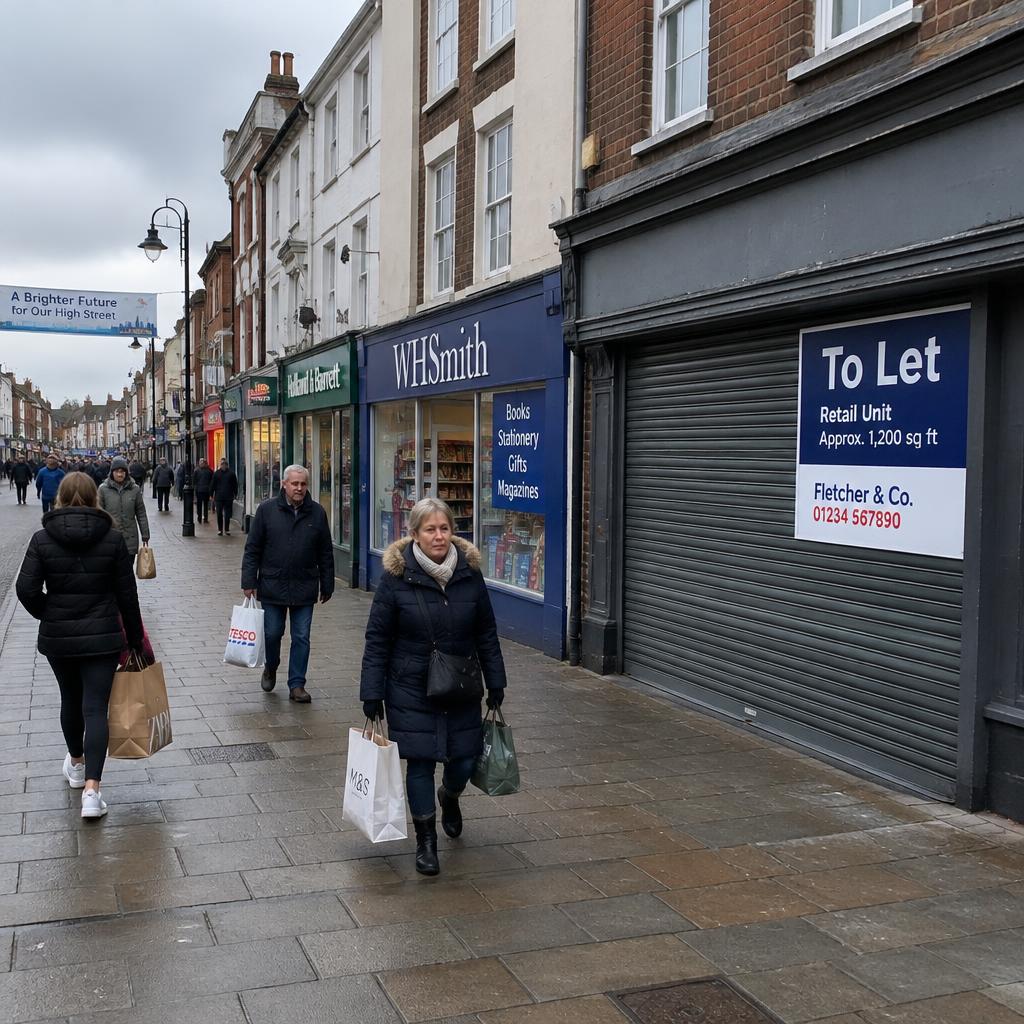
High streets across the country bear the scars. Retail insolvencies have risen, hospitality venues continue to close, and even large chains have reported customers trading down to cheaper ranges.
How the figure breaks down
The £13,961 total covers four of the biggest and least avoidable items in the family budget: mortgage and rent financing costs, personal loans, energy bills and water charges.
Energy accounts for a substantial share, with bills still far above their pre-2021 levels despite falling from the peak of the crisis. Mortgage costs have climbed sharply as homeowners rolled off cheap fixed-rate deals onto far more expensive products.
Water bills, too, have risen steeply as regulators allowed companies to charge more to fund investment in crumbling infrastructure — a rise that has provoked particular anger given the industry's record on sewage spills and leaks.
What the TUC wants
The union body is calling for a "serious plan to improve household incomes", arguing that tackling the cost of living is essential not just for fairness but for growth.
Its asks include targeted help with energy bills for poorer households, action to bring down housing costs and a pay settlement that allows wages to catch up with the price rises of the past five years.
"Working people have paid an extraordinary price for a crisis they did not cause," the TUC said. "The Budget must put money back into their pockets — because when households have nothing left to spend, the whole economy stalls."
Economists note that the squeeze has fallen unevenly. Homeowners who fixed their mortgages before rates rose have been insulated, while renters, recent buyers and those on variable rates have borne the brunt. Younger households, in particular, have seen the largest proportional increases in essential spending.
The Chancellor's dilemma
Mr Healey has warned the public to prepare for a tough Budget, but has also signalled that help with the cost of living will be targeted at those on the lowest incomes.
He is caught between competing pressures: demands for relief from households and unions, warnings from the Bank of England about persistent inflation, and a debt burden that limits his room for manoeuvre.
The TUC figures will be quoted repeatedly in the coming fortnight as the Budget approaches. For millions of families, though, the £2,792-a-year squeeze is not a statistic — it is the difference between coping and falling behind.
The Treasury has not responded directly to the analysis, but ministers have pointed to the rise in the real living wage and planned support with energy costs as evidence that the pressure on households is understood. Whether the Budget matches the scale of the problem, the unions say, will be judged by what is left in pay packets next spring.