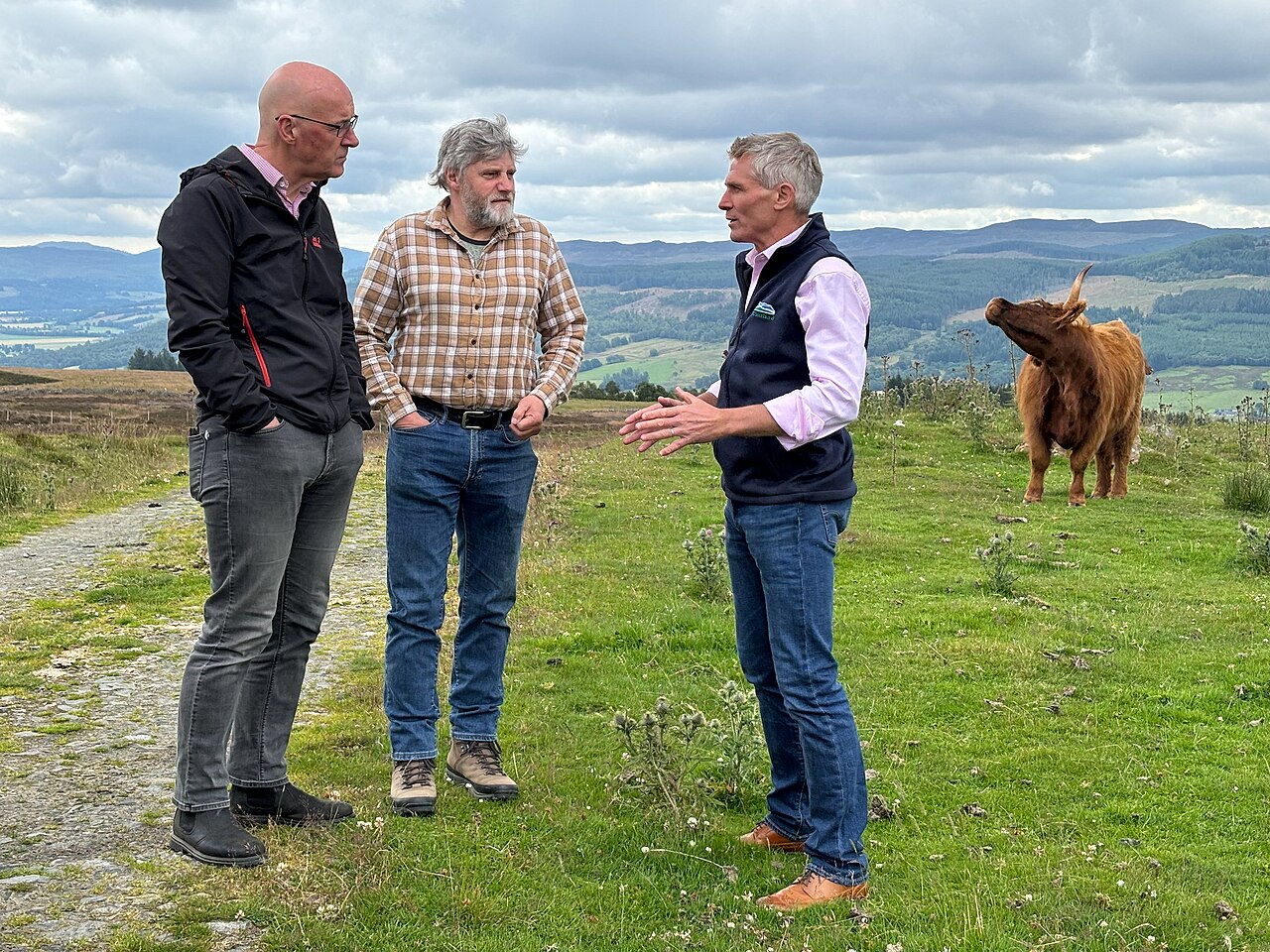
John Swinney has insisted that "the stars are aligning" for Scottish independence, telling the SNP conference in Aberdeen that 2026 has been a turning point in the country's "journey towards statehood".
In his keynote speech closing the party's annual conference, the first minister claimed the unionist parties at Westminster are "weaker than they have ever been" and declared that "there is no turning back".
"The SNP is making the weather," he told delegates. "And make no mistake – the wind is now firmly in the sails of Scotland's independence movement."
A constitutional claim
Swinney pressed the case for a second independence referendum following May's elections, in which the SNP won a record fifth term in government at Holyrood, while Plaid Cymru secured a historic victory in Wales and Sinn Féin holds the first ministership in Northern Ireland.
"In Edinburgh, Cardiff and Belfast, every first minister now supports our nations' right to self-determination," he said, telling supporters that "one by one, the stars are aligning in our favour".
The nationalist first ministers of Scotland, Wales and Northern Ireland held a summit in Cardiff last month, signing an agreement – not legally binding – that no Westminster government had the right to "block democracy".
Swinney argued that had the SNP lost May's Holyrood election, the case for independence "would have been set back decades". "Because we won the election – and because we won the trust of people in Scotland – we can now do two things," he said. "Improve people's lives here and now. And build the best possible future by delivering Scottish independence."
The polling problem
The first minister's optimism sits awkwardly alongside a series of polls published this week showing the country still split on the constitution.
A Survation poll commissioned by the SNP found 52% in favour of independence, but a YouGov study found 53% would vote No, and More in Common put support for remaining in the UK at 52%.
There was also agreement across the polls on how low a priority independence is for most Scots. YouGov found only 17% consider it one of the top issues facing the country, while More in Common found just one in ten placed it in their top three. A Survation poll for Scotland in Union found 68% put the cost of living in their top three priorities for the Scottish Government, against 11% for another referendum.
The SNP also fell short of the overall Holyrood majority in May that Swinney had set as his target for forcing a second referendum in the face of Westminster opposition.
Reaction
Scottish Conservative leader Russell Findlay dismissed the speech, saying Swinney was "like a broken record" with his "obsession with breaking up the UK". "Meanwhile in the real world, Scots want to see him bring down their bills and fix public services," he said.
The address came a day after Prime Minister Andy Burnham visited Scotland with what he called a "serious and genuine offer" to work with the Scottish government on deepening devolution – while arguing power should also move beyond Holyrood to local communities.
Swinney introduced Deputy First Minister Jenny Gilruth to the conference on Friday, as the party sought to project unity and momentum heading into the next phase of its record fifth term.
Whether the speech shifts the constitutional dial is another matter. The first minister's task now is to convert conference hall enthusiasm into broader public support – something the week's polling suggests remains stubbornly out of reach.