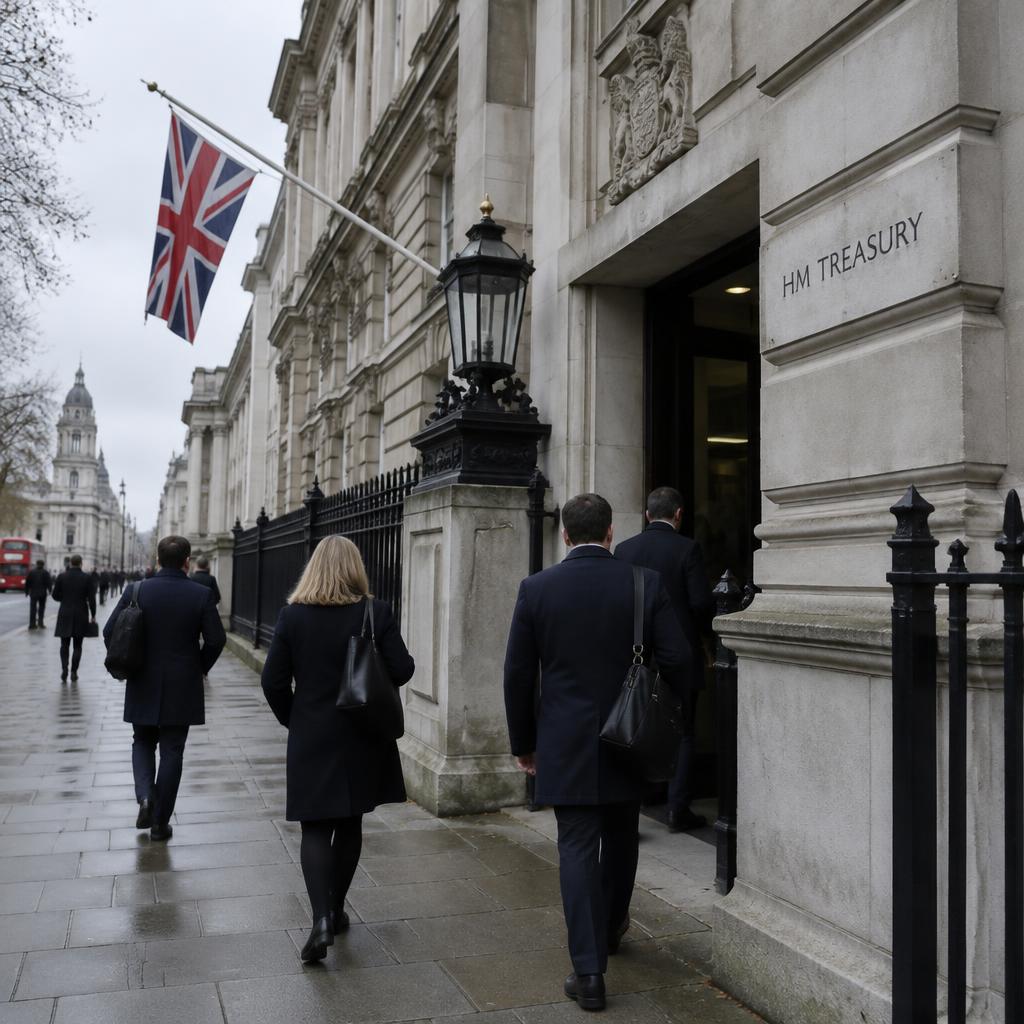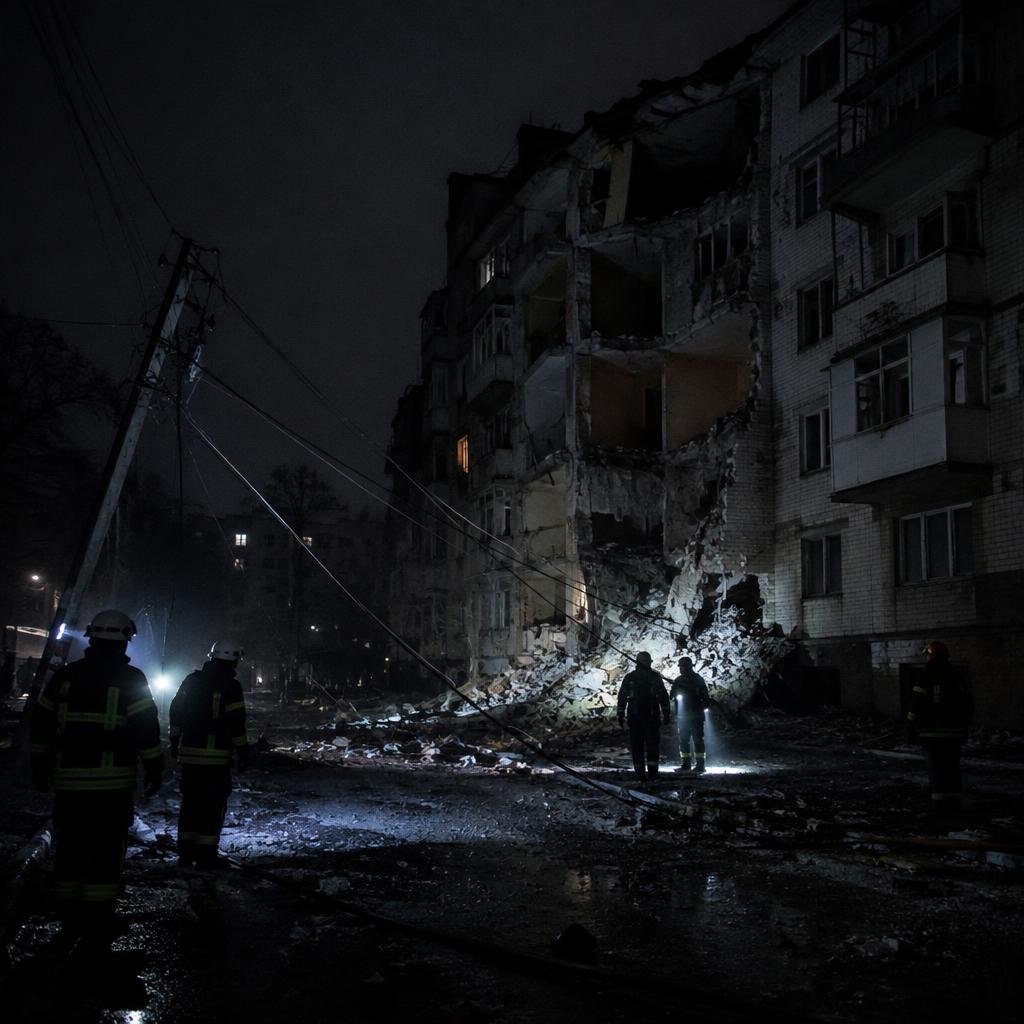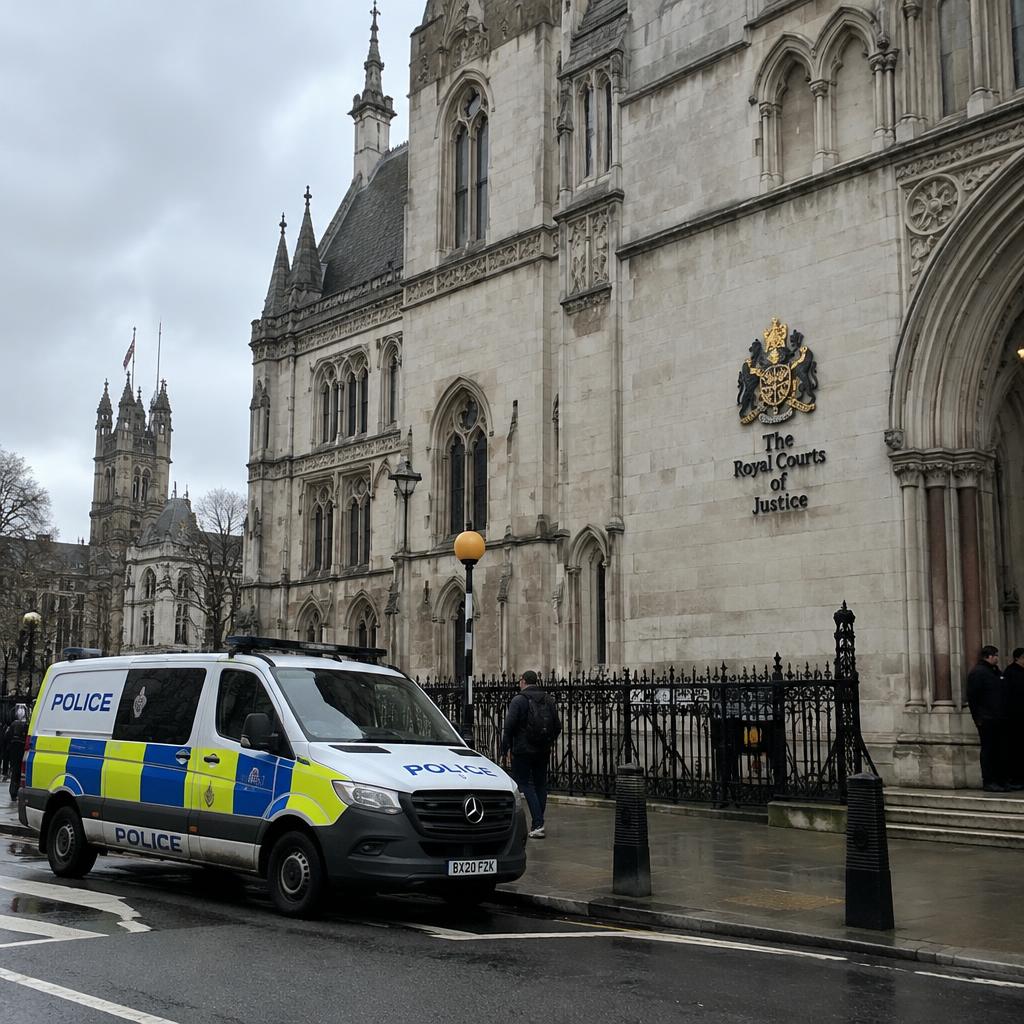
A man convicted of carrying out arson attacks on properties linked to Sir Keir Starmer has been deported from the UK, bringing to a close one of the most disturbing security cases involving a senior British politician in recent years.
The attacks, which targeted addresses connected to the Prime Minister, caused alarm across the political spectrum when they came to light and prompted a review of security arrangements for public figures.
The deportation was confirmed after the completion of the criminal process, with the man removed from the country under immigration powers used for foreign nationals convicted of serious offences.
The attacks
The case involved a series of fires set at properties associated with Sir Keir. Although no-one was killed, the attacks were treated with the utmost seriousness by counter-terrorism officers, who led the investigation given the target.
The court heard evidence about how the attacks were planned and carried out, and about the defendant's motives, which prosecutors said were bound up with hostility towards the Prime Minister and his politics.
The conviction was secured after a trial that laid bare the vulnerability of even the most heavily protected public figures to determined individuals acting alone.
A wider pattern
The case is part of a troubling pattern of violence and intimidation directed at politicians. MPs across parties have reported a sharp rise in threats, and several have been attacked in recent years, two of them fatally.
Security around ministers and party leaders has been repeatedly tightened, but officials acknowledge that the homes and constituency offices of public figures can never be made completely safe without ending the accessibility that British politics prizes.
The deportation powers used in this case allow the Home Office to remove foreign nationals whose presence is deemed not conducive to the public good, typically after a serious conviction.
Reaction
There has been no public comment from the Prime Minister on the deportation. Downing Street has a policy of not discussing the details of security cases, and Sir Keir has previously declined to be drawn on the attacks beyond thanking the police and the courts.
MPs from across the Commons welcomed the conclusion of the case, while warning that the climate of hostility towards politicians shows no sign of easing.
The Speaker has repeatedly urged members to take up the security measures on offer, and the police operation that protects Parliament and senior figures has been expanded.
The questions that remain
The case leaves open questions about how the attacker was able to carry out repeated attacks before being stopped, and about whether the warning signs were missed.
It also feeds into a broader debate about political violence, online radicalisation and the point at which extreme rhetoric becomes a security matter.
For the Prime Minister, the episode is now closed. For the police and security services charged with protecting public life, the lesson is that the threat is persistent, unpredictable and increasingly personal.
The deportation also highlights the government's broader approach to foreign national offenders, which has become a political battleground in its own right. Ministers have promised swifter removals and tougher rules, while campaigners warn against allowing individual cases to drive policy that sweeps up people with deep family ties to Britain. In this instance, with a serious conviction for attacks on the Prime Minister himself, there was little public controversy over the removal. But officials acknowledge that each high-profile case intensifies the pressure on the system, and on the Home Office teams who must make removal decisions stand up in court. The security review prompted by the attacks is understood to have recommended changes that remain classified.