The Scottish Government is preparing to abandon its 12-week treatment target for orthopaedic patients, according to a leaked NHS plan that lays bare the scale of the crisis in Scotland's hospitals.
The document reveals that ministers and health boards are ready to drop the guarantee covering patients waiting for procedures such as hip and knee replacements — operations that transform the lives of people living in chronic pain.
The target, part of the legal Treatment Time Guarantee that patients be treated within 12 weeks of agreeing surgery, has been missed for years. Abandoning it would be an admission that the health service cannot currently meet its own promises.
Thousands waiting in pain
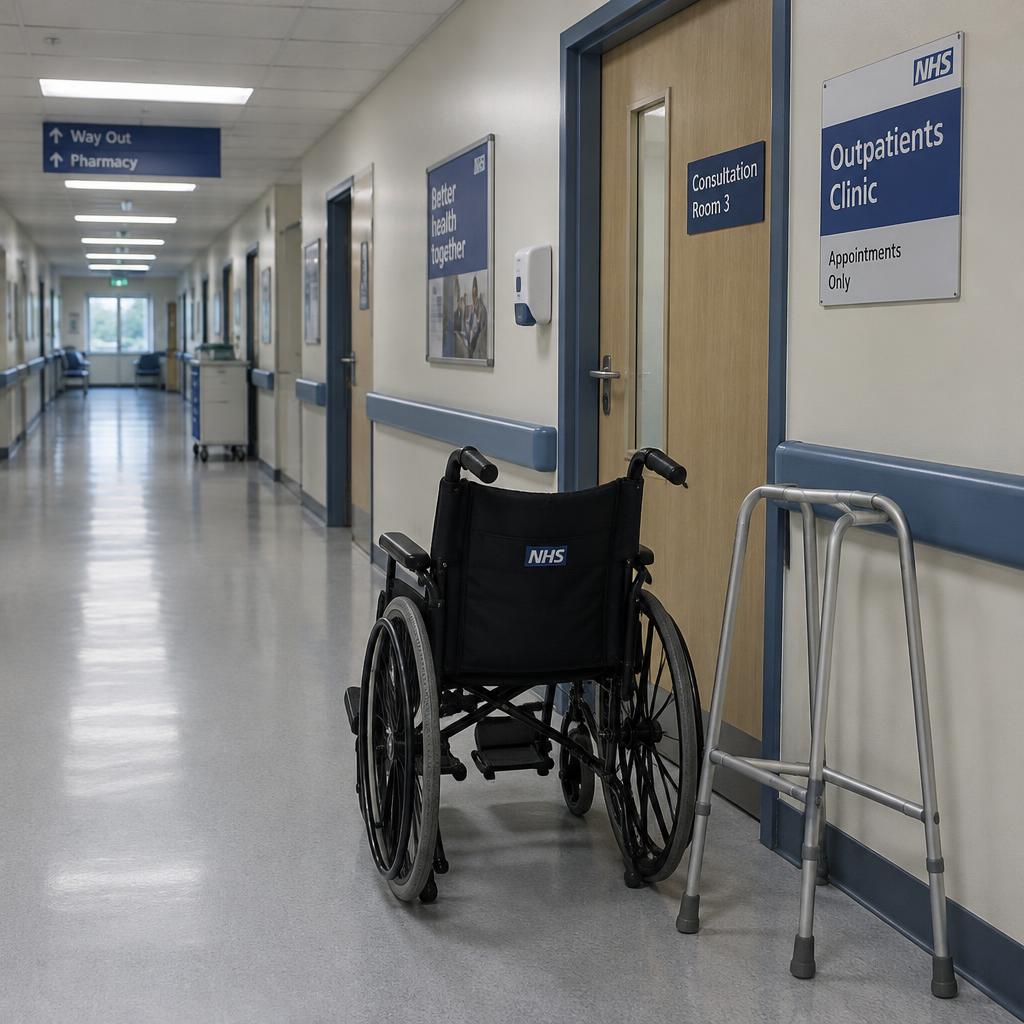
Orthopaedics has become one of the most visible symbols of NHS Scotland's struggles. Tens of thousands of patients are waiting for joint surgery, many of them older people whose mobility, independence and mental health deteriorate with every month of delay.
Surgeons have warned repeatedly that long waits mean patients arrive for surgery frailer and harder to treat, and that some deteriorate beyond the point where an operation can help them.
The leaked plan reportedly acknowledges that, on current capacity, the 12-week standard cannot be delivered and that boards should plan on longer timescales.
Political fallout
The revelation is acutely uncomfortable for a government that has staked much on its stewardship of the NHS. Opposition parties seized on the leak as evidence of a health service in retreat, with targets quietly abandoned rather than met.
The Treatment Time Guarantee was written into law with considerable fanfare, presented as a patients' rights measure that distinguished the Scottish system. Its effective abandonment will be seized upon as a broken promise.
Ministers are expected to argue that honesty about capacity is better than a fictitious target, and that resources are being directed to the longest waiters and the most urgent cases.
The wider picture
The orthopaedic target is not an isolated failure. Waiting lists across NHS Scotland remain at historically high levels, with accident and emergency performance, cancer treatment times and mental health waits all under severe pressure.
Health boards face a combination of rising demand from an ageing population, workforce shortages, the lingering backlog from the pandemic and budgets stretched by inflation and pay settlements.
The government has announced a series of recovery plans and funding injections, but the leaked document suggests officials privately accept that recovery will take far longer than public targets imply.
What patients are owed
Patient groups say the issue is not the target itself but what it represents: a promise made to people in pain, now being withdrawn.
"People plan their lives around these operations," one campaigner said. "Telling them the guarantee no longer applies doesn't make the pain go away."
The Scottish Government has been asked to comment on the leaked plan. For the thousands waiting for a new hip or knee, the question is not which target applies, but when — if ever — their operation will come.
Behind the statistics are individual lives on hold. Orthopaedic surgeons describe patients who have given up work, become dependent on painkillers or lost the ability to leave their homes while waiting. The Royal College of Surgeons has called for a national recovery programme with dedicated orthopaedic centres insulated from emergency pressures — a model that has shown results in England but has been rolled out only patchily in Scotland. Health boards say they are expanding theatre capacity and using the independent sector where possible, but workforce gaps in anaesthetics and nursing limit how fast lists can be cleared. The leaked plan, whatever its political cost, at least forces an honest conversation about the gap between promise and capacity — a conversation patients have been having in pain for years.