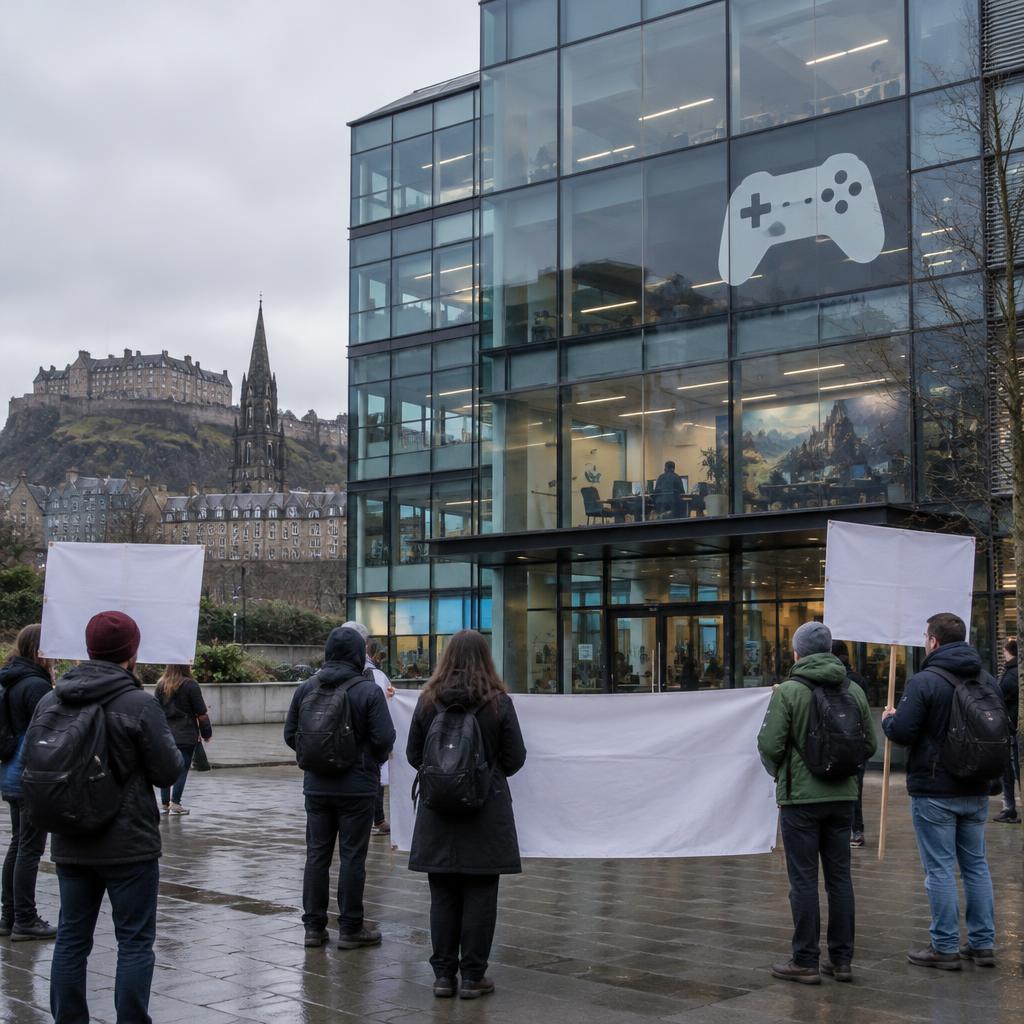
Workers sacked by the studio behind Grand Theft Auto have staged a protest as an employment tribunal in Glasgow began hearing evidence from company bosses over the dismissal of 34 staff.
The case centres on Rockstar North, the Edinburgh-based developer responsible for one of the most lucrative entertainment franchises in history, and is being closely watched across the global video games industry.
Demonstrators gathered outside the hearing as the tribunal began taking evidence, with the dismissed workers arguing they were treated unlawfully.
A landmark case for the industry
The dispute is one of the most significant employment cases the games sector has seen in the UK. The industry has historically been resistant to union organisation, and the outcome is expected to influence how studios across the country handle workforce relations.
Rockstar North is the creative heart of the Grand Theft Auto series, whose most recent instalment has generated billions of pounds in revenue. The contrast between the franchise's extraordinary profitability and the treatment of the dismissed workers has been a central theme of the protests.
The 34 workers lost their jobs in a round of dismissals that their supporters say targeted staff involved in organising activity. The company has defended its actions, and the tribunal will determine whether the dismissals were lawful.
Testimony from the top
The hearing is notable for the seniority of those giving evidence. Company bosses have been called to explain the decisions that led to the dismissals, offering a rare public glimpse into the inner workings of a studio known for its secrecy.
Tribunal proceedings are expected to examine the circumstances of each dismissal, the reasons given at the time, and whether proper procedures were followed.
Union representatives said the case demonstrated why organisation in the sector matters. The games workforce, they argue, is highly skilled but often young and insecure, with project-based contracts and a culture of unpaid overtime that leaves staff vulnerable when studios restructure or projects slip.
For the workers involved, the case is about more than their own jobs. Supporters at the protest said they were standing up for the principle that games workers — who often endure long hours and insecure contracts — deserve the same protections as employees in any other industry.
Edinburgh's games cluster
The case has cast an uncomfortable light on one of Scotland's great industrial success stories. Edinburgh and the wider central belt host a cluster of games studios that employ thousands of people and generate hundreds of millions of pounds for the Scottish economy.
Rockstar North is the jewel in that crown. Founded in the city decades ago, it grew from a small studio into the developer of the biggest entertainment product ever made, and its success helped put Scotland on the global games map.
That success makes the current dispute all the more striking. Politicians and industry figures alike are watching to see whether the tribunal's findings prompt wider change in how the sector treats its workforce.
What happens next
The tribunal is expected to hear evidence over several days before reserving its decision. Judgments in complex employment cases can take weeks or months to be delivered.
Whatever the outcome, the case has already achieved something unusual: it has forced one of the world's most secretive companies to account for its employment practices in public.
For the 34 workers at the heart of it, the wait for a ruling continues. For the industry beyond, the message from the picket line outside was unmistakable — the games business, like any other, is not above employment law.
Rockstar has been approached for comment. The company has previously said it does not discuss ongoing legal proceedings, but is understood to reject any suggestion that the dismissals were connected to union activity.