Energy suppliers that tempt customers away from rivals with cheaper deals could be forced to pay compensation under plans being considered by the regulator — a proposal campaigners warn could push household bills higher.
Ofgem is examining a system of so-called switching charges, under which a supplier that wins a customer from a competitor would have to pay a fee to the company losing the business.
The regulator argues the measure would protect the finances of suppliers and reduce the risk of collapses that have, in the past, left taxpayers and billpayers to pick up the cost. But consumer groups say the charges would simply be passed on to households.
Why now?
The proposal comes as Ofgem warns openly of a "difficult winter" for the energy market. Wholesale prices remain elevated amid the disruption to global gas and oil supplies caused by the conflict involving Iran, and several smaller suppliers are understood to be under financial strain.
When suppliers fail, the costs of transferring their customers and honouring credit balances are spread across all billpayers through a levy. The regulator believes that making the market more stable — even at the price of less aggressive competition — could prove cheaper in the long run.
Critics see it differently. They argue that penalising successful competition removes the strongest incentive for companies to offer genuinely cheaper tariffs, and that households who shop around — often the most engaged and most hard-pressed customers — would lose out.
The shadow of past collapses
The memory of the 2021-22 energy crisis, when dozens of suppliers went bust and billions of pounds were added to bills, hangs over the debate. Ofgem has since tightened capital requirements and stress tests, but the current price shock has revived fears of further failures.
Switching, which collapsed during the crisis, has been recovering as fixed deals return to the market. Consumer advocates fear the new charges could strangle that recovery at birth, locking customers into expensive standard tariffs just as competition was re-emerging.
"Anything that makes it harder or more expensive for suppliers to offer better deals will end up on the bill," one campaigner said. "Households have been here before."
Suppliers themselves are divided. Larger companies with established customer bases are understood to be more sympathetic to the plan, while newer challengers — whose entire business model depends on winning switchers with keen prices — regard it as an attempt to pull up the drawbridge behind the incumbents.
A winter of hard choices
The timing is politically sensitive. The Chancellor is finalising a Budget in which help with energy costs for poorer households is expected to feature, and the Energy Secretary has hinted at "short-term relief" for struggling families.
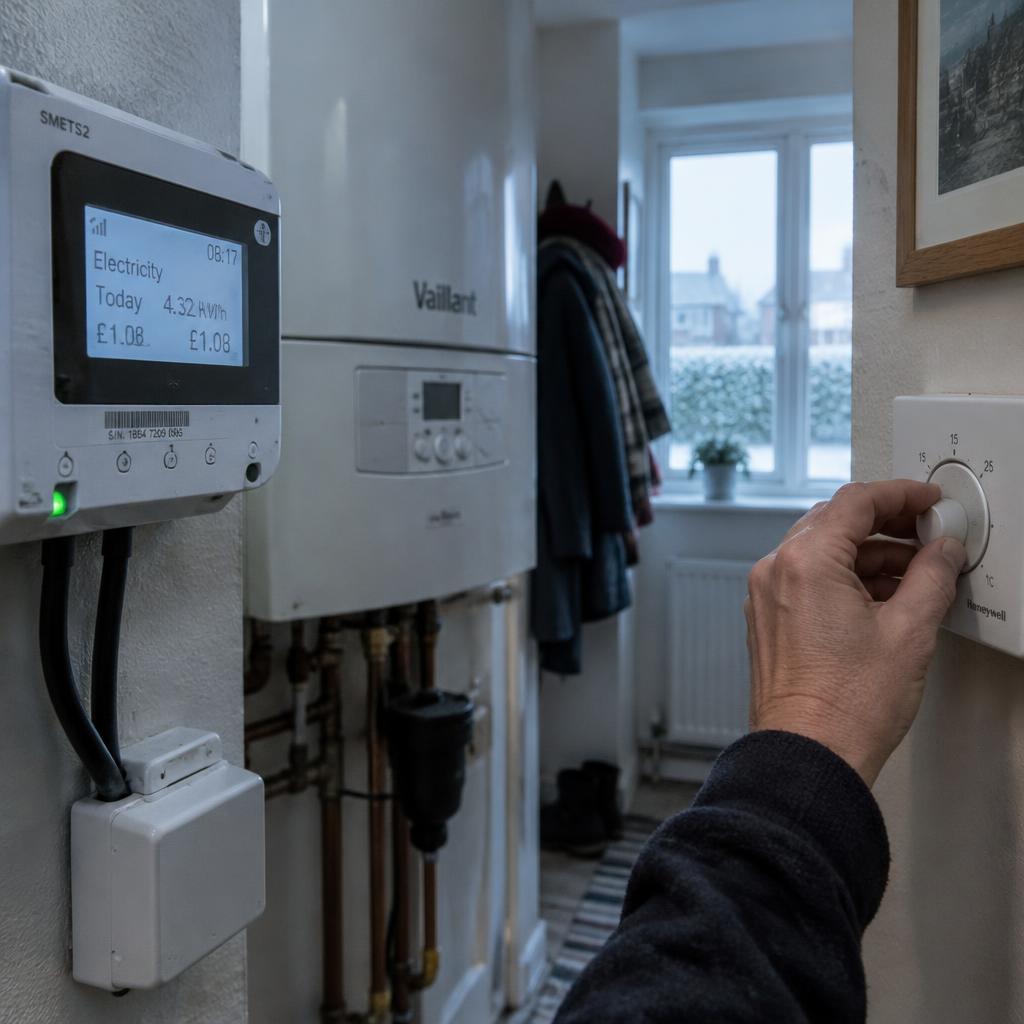
An estimated 1.7 million households are expected to keep their heating off entirely this winter because of the cost, according to recent research, and charities report rising demand for emergency fuel vouchers.
Against that backdrop, any measure that adds even a few pounds to the average bill is likely to prove contentious. Ofgem says no final decision has been taken and that it will consult widely before acting.
What happens next
The regulator is expected to set out detailed proposals in the coming weeks, with any new regime unlikely to take effect before next year. Suppliers, consumer groups and MPs will all have the chance to respond.
For households, the advice remains unchanged: check whether a cheaper fixed tariff is available, submit regular meter readings, and seek help early if bills become unmanageable.
But the broader question the proposal raises — how to balance a stable energy market against the benefits of genuine competition — is one that will shape bills long after this winter has passed.