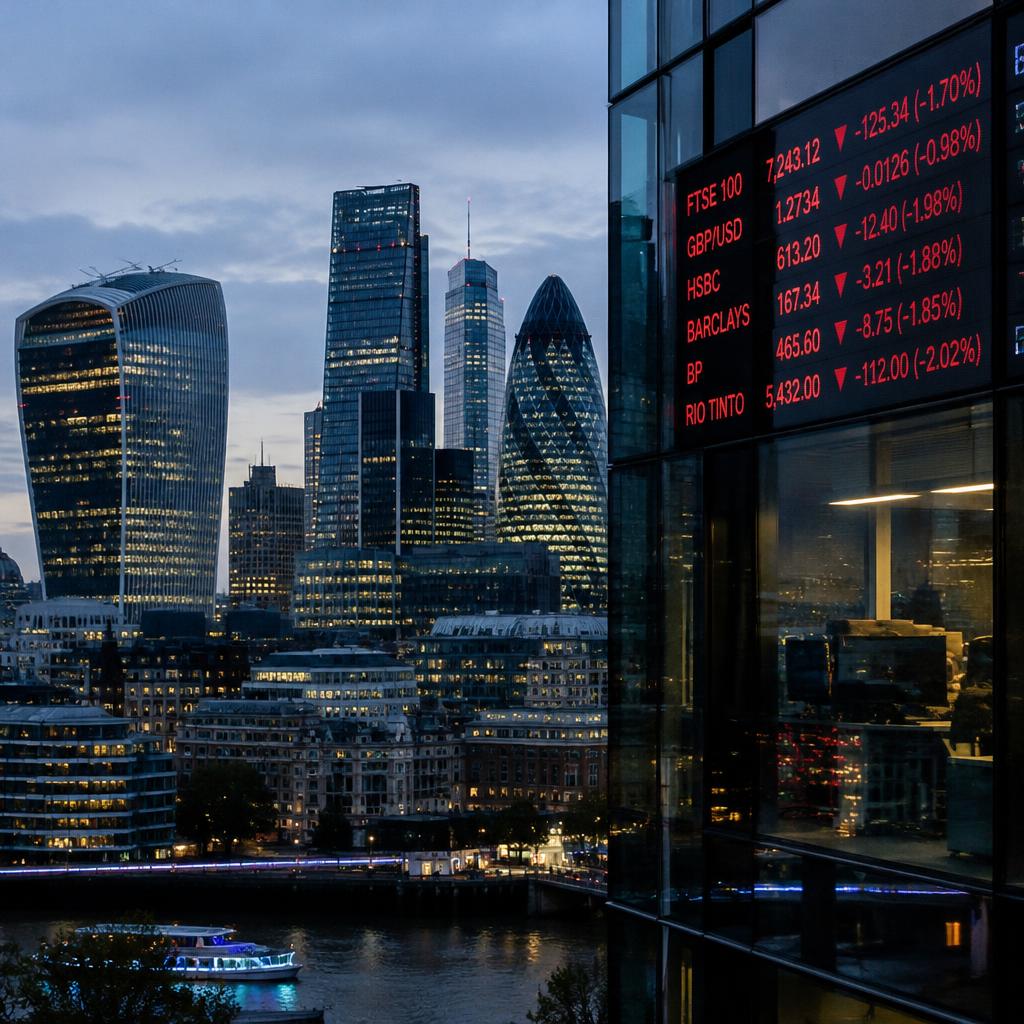
London's leading shares fell on Friday as the threat of disruption to shipping through the Strait of Hormuz kept oil prices above $105 a barrel, capping a bruising week for markets on both sides of the Atlantic.
The FTSE 100 slipped 0.18%, giving back a slice of the previous session's strong gains, as energy stocks rose on the higher crude price while banks, retailers and housebuilders drifted lower.
The decline came a day after the blue-chip index had closed 1.08% higher, its strongest finish in more than six weeks — a reminder of how sharply sentiment is swinging with each development in the Gulf.
Oil at the centre of everything
Brent crude has held stubbornly above $105 a barrel as traders weigh the risk that the conflict involving Iran could choke off supplies through the Strait of Hormuz, the narrow waterway through which roughly a fifth of the world's oil passes.
Higher oil is a double-edged sword for the FTSE. The index's heavyweight energy companies benefit directly, but for the wider economy dearer crude means costlier fuel, pricier imports and renewed upward pressure on inflation.
The pound also weakened, with the dollar heading for a weekly loss against a basket of currencies as investors reassessed the outlook for US interest rates.
Wall Street's technology wobble
Across the Atlantic, the picture was gloomier still. Wall Street ended sharply lower as worries about the vast debts being taken on to build artificial intelligence infrastructure combined with the oil price to sour the mood.
The PHLX semiconductor index sank 3.8% in its eighth straight day of declines — its longest losing streak since 2008 — as investors questioned whether debt-laden AI companies would generate profits quickly enough to repay what they have borrowed.
The Cboe Volatility Index, the market's so-called fear gauge, pushed above 22 for the first time since June, a sign that traders are paying more to protect themselves against further falls.
What it means for savers and pensions
For British savers, the week's events matter in two ways. Most pension funds are heavily invested in exactly the kind of global shares that have been falling, and a sustained oil price above $100 feeds directly into petrol, heating and food costs.
Analysts cautioned against panic. Short, sharp sell-offs driven by geopolitical fear have repeatedly reversed once the immediate alarm fades, and the underlying performance of most large companies remains solid.
There were brighter spots. Gold continued its strong run as investors sought safe havens, and defence and energy shares outperformed across European markets. Sterling's weakness, meanwhile, offered some support to the FTSE's multinational earners, whose overseas profits are worth more when converted back into pounds.
But the combination of an energy shock, expensive technology stocks and heavy borrowing has left markets more fragile than at any point this year.
The week ahead
Attention now turns to any diplomatic movement in the Gulf and to a heavy calendar of company results, which will show whether the AI boom is still delivering the revenues to justify its cost.
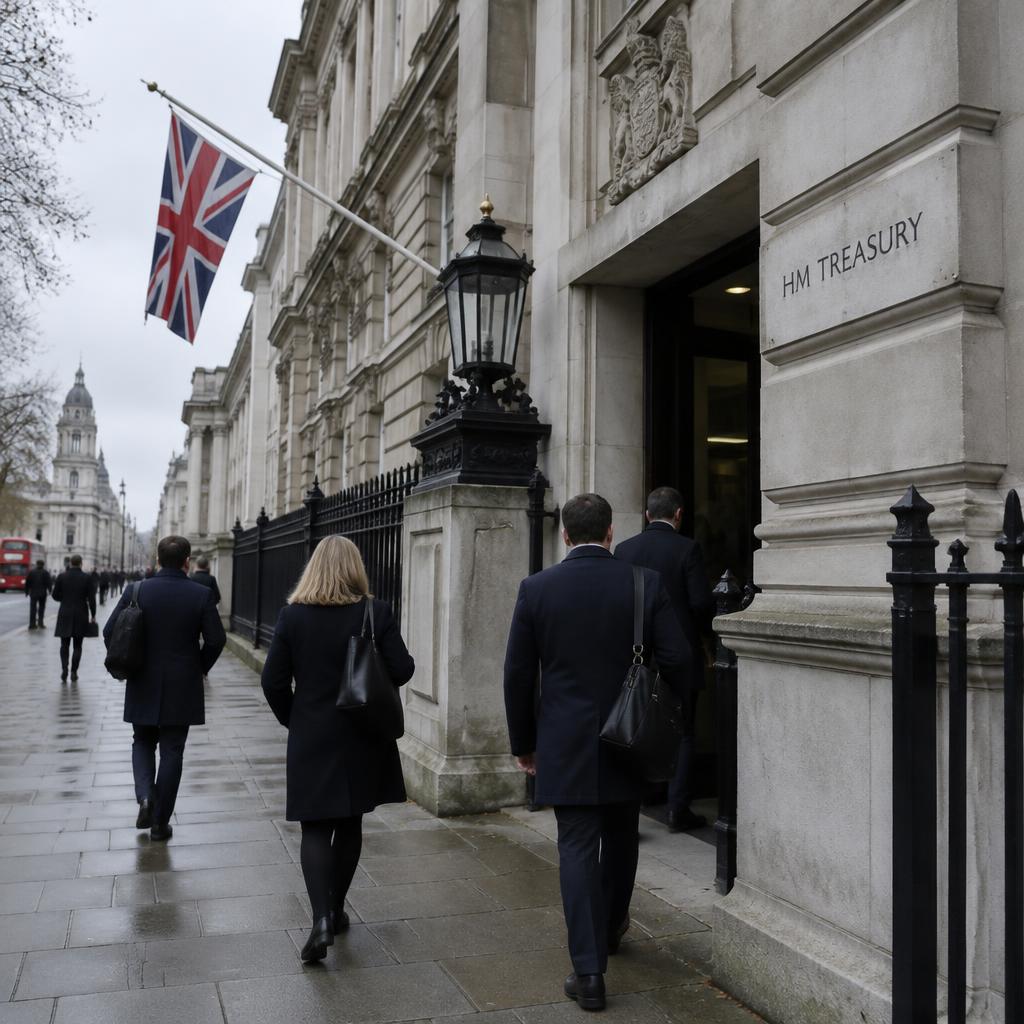
In London, traders will also be watching the Chancellor's Budget at the end of the month for measures that could move the domestic economy — and with it, the shares most exposed to British households.
For now, the mood is cautious. As one City strategist put it: "Markets can live with bad news. What they struggle with is not knowing how bad it can get."
Much will depend on events far from the trading floors. A de-escalation in the Gulf would send oil lower and relieve pressure across the board; a closure of the strait, however brief, would redraw the economic outlook overnight. Until then, investors are braced for more sessions like this one.