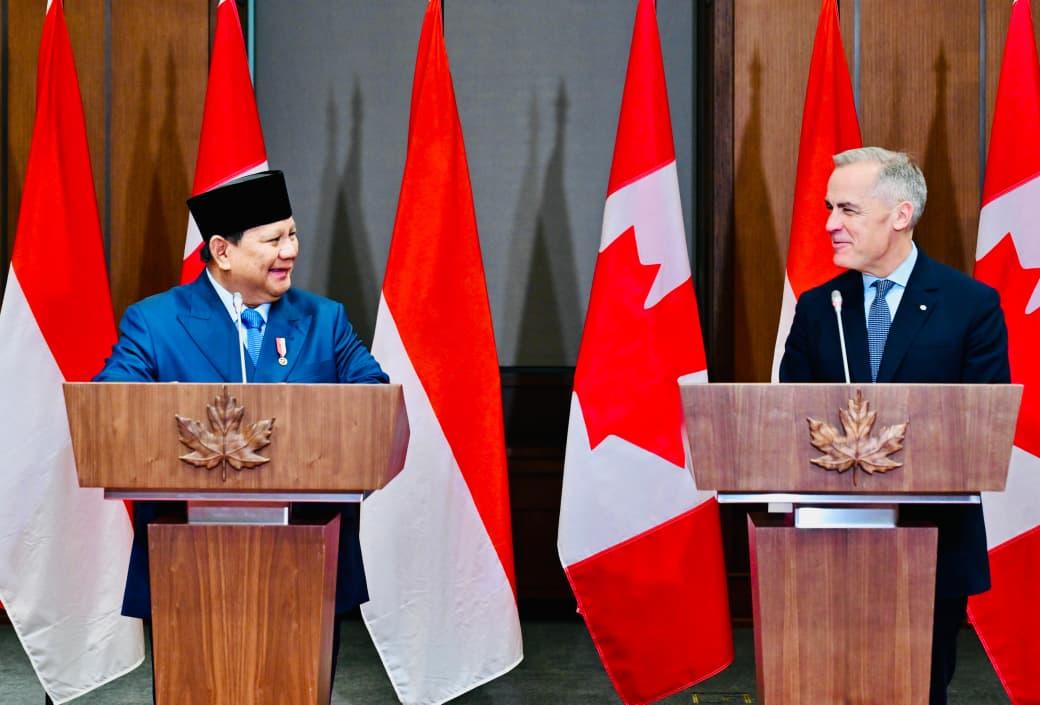
Canada’s prime minister, Mark Carney, has urged Albertans to vote to remain in Canada, warning that the “stakes are high” ahead of Monday’s referendum on whether the oil-rich province should begin the process of separating.
Speaking at a pro-unity rally in Calgary on Thursday, Mr Carney said the vote was taking place “at the worst possible time” and called for a “decisive result” against separation.
More than 450,000 Albertans have already voted early or by post. The question asks voters whether they wish the province to remain part of Canada, or to start the process of holding a binding referendum on separation.
‘Turnout will determine the outcome’
Opinion polls suggest most Albertans support remaining in Canada. But Mr Carney warned his supporters against complacency. “Turnout will determine the outcome,” he told a crowd of more than 7,000.
He also pointed to pressures from beyond Canada’s borders. “The world has become more dangerous and divided. Some outside our borders are working to break us so they can own us,” he said — echoing warnings he has made about the threat that US tariffs pose to Canada’s economy and security.
The Calgary rally was the first of two back-to-back unity events. Mr Carney is due to address another in Edmonton, his home town, on Friday. Earlier on Thursday he toured businesses in Calgary and met volunteers running a get-out-the-vote operation.
How the vote came about
The 19 October referendum was called by Alberta’s premier, Danielle Smith, after a grassroots group collected about 300,000 signatures on a petition demanding a binding vote on separation.
Ms Smith, a Conservative whose political base includes supporters of independence, has said she favours Alberta remaining in Canada. But she has argued that the referendum gives Albertans a chance to be heard directly on the question.
The case for leaving
Supporters of separation argue that the landlocked province has been overlooked by federal politicians in Ottawa, despite the wealth it contributes to the rest of the country.
They say successive Liberal governments over the past decade have put environmental policy ahead of the development of Alberta’s oil and gas sector, and that an independent Alberta would keep more of the money it generates.
The case for staying
Opponents warn that a newly independent Alberta would be left responsible for billions of dollars of debt, and that the uncertainty created by a vote to leave would drive jobs and investment out of the province.
Mr Carney and others have compared the referendum to the UK’s 2016 Brexit vote, arguing that a decision to leave could bring unintended economic consequences that are hard to reverse.
In his speech, the prime minister acknowledged that “the frustrations that many Albertans have felt are real”, and said his government was willing to support the province and its energy industry. In the weeks before the vote, he announced plans to fast-track approval of a new oil pipeline from Alberta to Canada’s Pacific coast — a long-standing demand of the province’s energy sector.
Echoes in Scotland
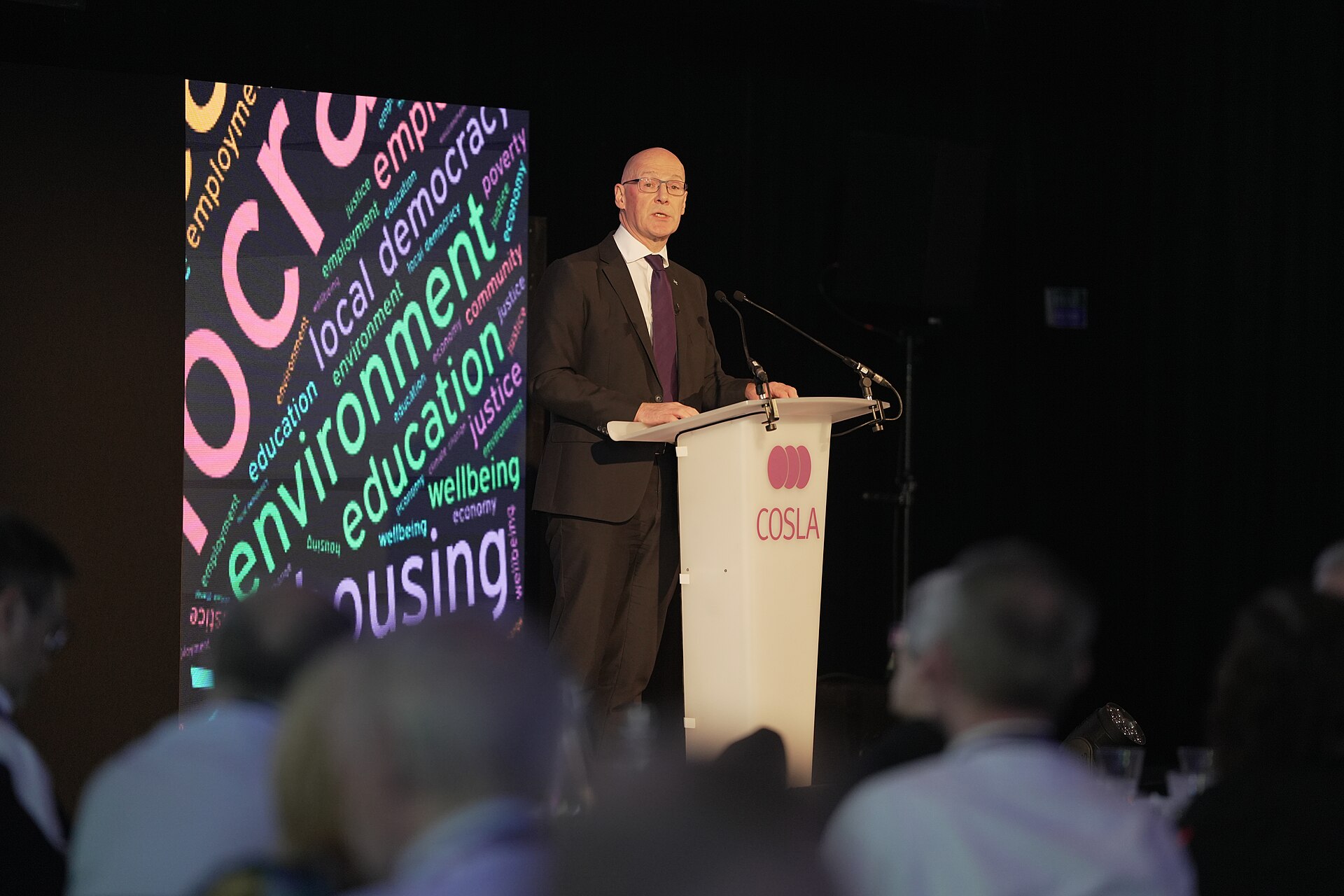
The campaign is being watched closely in Scotland, where the debate over independence and the conditions for a second referendum has returned to the centre of politics. Alberta’s process — a citizen-initiated petition leading to a provincial vote on whether to begin a binding separation process — differs sharply from the UK’s, where the power to hold a binding referendum on Scottish independence rests with Westminster.
Canada has been here before. Quebec held referendums on sovereignty in 1980 and 1995; the second was lost by the narrowest of margins, leading to the Clarity Act, which sets conditions for any province seeking to secede. Any vote on Monday to begin the separation process would therefore mark the start of a long legal and political journey rather than an immediate break.
Polls point to a victory for the unity side. But with frustration with Ottawa running deep, and with the prime minister himself insisting that nothing can be taken for granted, the size of the margin will matter almost as much as the result.