John Swinney has pledged to bring Scotland’s bus network back under public control by 2031, while announcing that a £2 cap on eligible single fares will reach Aberdeen City and Aberdeenshire in April 2027.
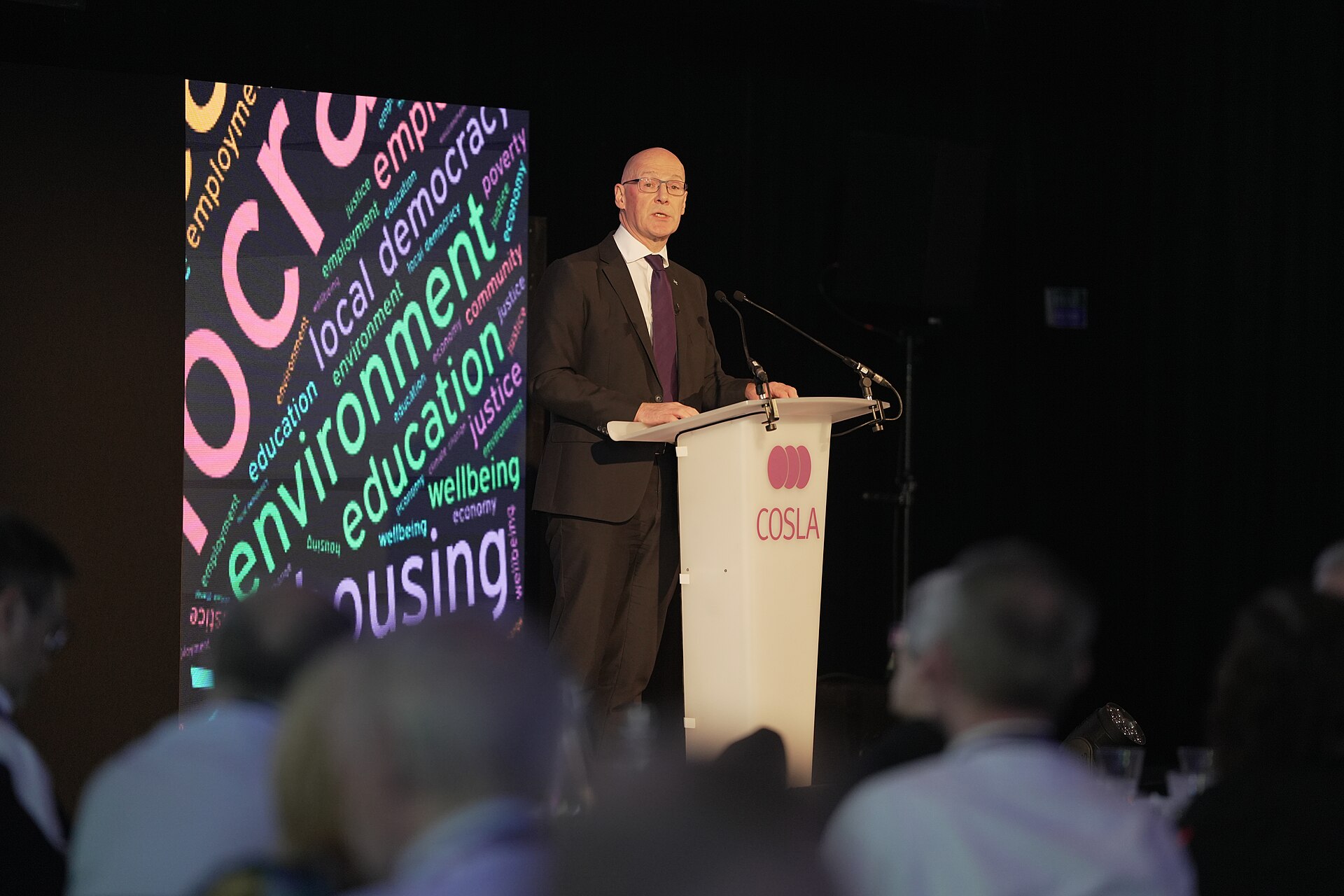
The First Minister made the announcements in his closing speech to the SNP conference in Aberdeen on Saturday. He said franchising and regulation would be used to change how the network operates, arguing that passengers needed more buses and more frequent services.
The two measures address different parts of bus travel. The fare cap sets a maximum charge for qualifying journeys on participating services; public control concerns the organisation of the network itself. Neither announcement means that every Scottish bus company is being taken into public ownership.
The Scottish Government confirmed the North East expansion in a separate statement. Transport Scotland will work with operators, councils and regional transport partners before the launch, with details of participating companies and eligible services to be published in advance.
Public control, not automatic public ownership
Swinney told delegates that the SNP would bring the network back into public control by the end of the current Parliament, through franchising and regulation. The detailed model has not yet been set out, leaving questions over how different areas would organise services and how operators would be contracted.
Bus franchising allows public authorities to set requirements for services while companies compete for contracts to operate them. That differs from the deregulated system in which commercial operators largely decide the routes and timetables they wish to run.
Greater Manchester provides a recent example of the distinction. Under its approach, operators bid to run services within defined areas and under local contracts. The buses can therefore remain operated by companies even when decisions about the wider network return to public control.
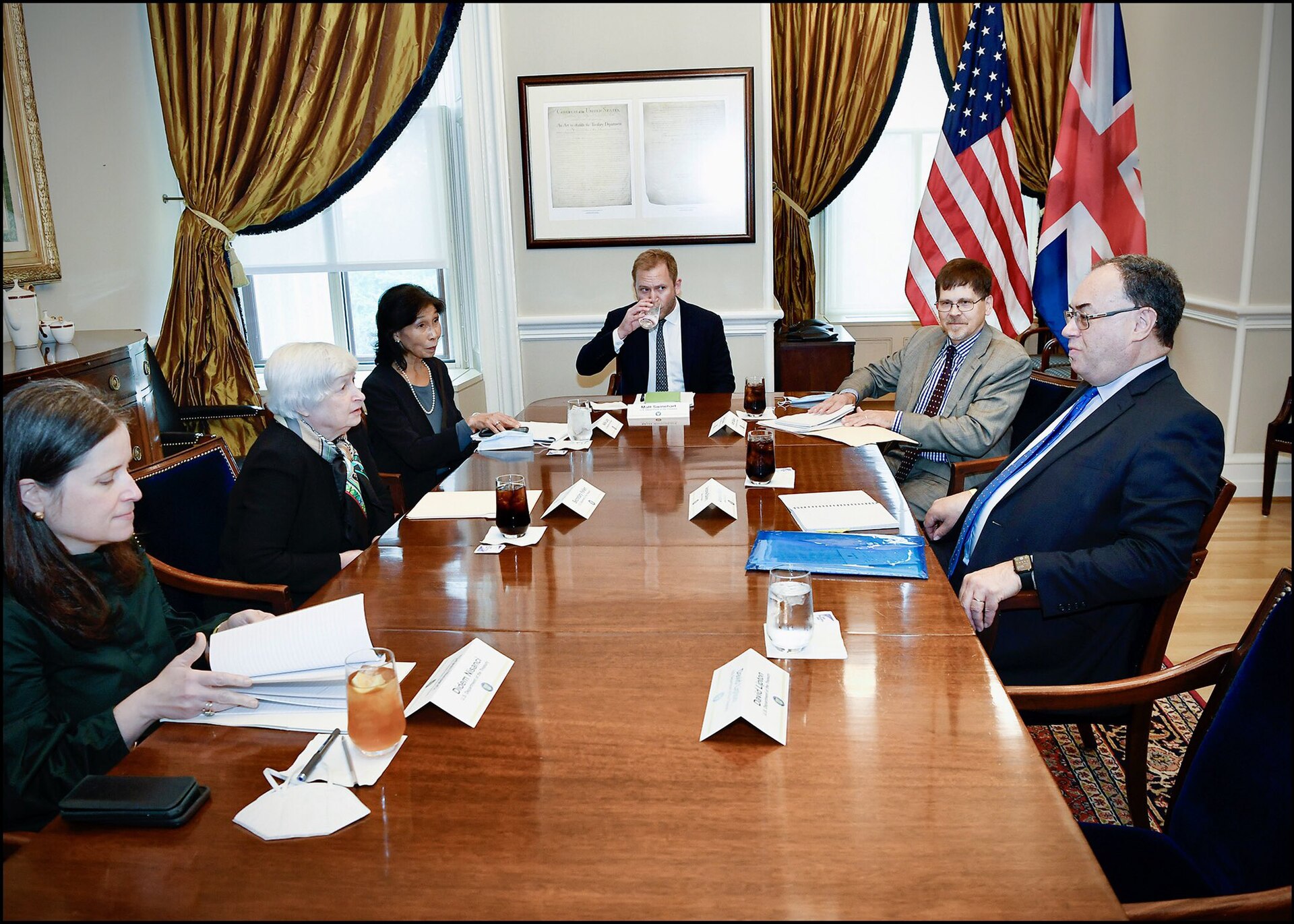
Swinney’s announcement followed Prime Minister Andy Burnham’s visit to Scotland. A Labour source quoted by the Daily Record welcomed the apparent similarity with the Manchester approach, while Scottish Labour deputy leader Jackie Baillie said her party would work with ministers on the bus proposals.
Baillie welcomed both the extension of the fare cap and the public-control commitment, but criticised what she described as the concentration of powers at Holyrood. The debate therefore includes not only whether services should change, but which level of government should make decisions about them.
What the £2 cap will cover
The North East scheme will apply to eligible single journeys on participating services across Aberdeen City and Aberdeenshire. It is not an announcement of a £2 limit on every ticket type, nor confirmation that every operator or route will automatically be included.
The government said the expansion follows earlier introductions in the Highlands and Islands and the Strathclyde area. Its stated ambition remains a nationwide cap during this Parliament, but Saturday’s announcement gives a specific start date for the North East rather than a complete timetable for every remaining area.
Swinney said cheaper fares would help people reach work, education, healthcare and leisure opportunities. He also presented the policy as a response to household costs and a way to encourage alternatives to car travel.
Fare reductions and service improvements are related, but separate, questions. A cheaper ticket does not itself establish a new route or a more frequent timetable. The public-control pledge is intended to address that wider network, although Saturday’s announcement did not provide a route-by-route service plan.
Further legislation expected
Transport Scotland said further detail on Better Bus Legislation would be set out in 2027. That next stage will be important in establishing how the national pledge can be implemented and how it interacts with decisions by councils and transport authorities.
Edinburgh retained local control of its bus network, while Glasgow councillors voted in 2024 to progress proposals for greater local control. The Daily Record reported that Glasgow’s plans faced opposition from private operators, underlining that implementing change can involve contested commercial and political decisions.
For passengers in Aberdeen and Aberdeenshire, the clearest immediate commitment is the April 2027 start for capped eligible fares. The broader promise is a network under public control by 2031. Both remain future commitments, with the participating services, legislative detail and practical arrangements still to be explained.