Police clashed with protesters in France on Saturday as demonstrations over school conditions broadened into a movement against high prices, inequality and pressure on public services. Interior minister Laurent Nuñez said 400 people had been arrested.
The Guardian reported large demonstrations across the country, with violence on the edges of protests in Paris and Marseille. Police used teargas as some participants threw fireworks and paving stones, damaged property and looted shops.
Nuñez said most of those arrested were adults rather than participants in the high-school protest movement. He accused opportunistic offenders of hijacking the demonstrations and condemned the violence. His account represents the government’s assessment, not a determination of responsibility in every individual case.
The minister said the state was not planning to declare a state of emergency. The unrest nevertheless brought further scrutiny of policing, following weeks of student protests and allegations of serious injuries caused by riot-control weapons.
From school conditions to living costs
The movement began last month at schools in poorer northern suburbs of Paris. Complaints about absent teachers and deteriorating buildings expanded into demands concerning inequality, public spending and falling standards.
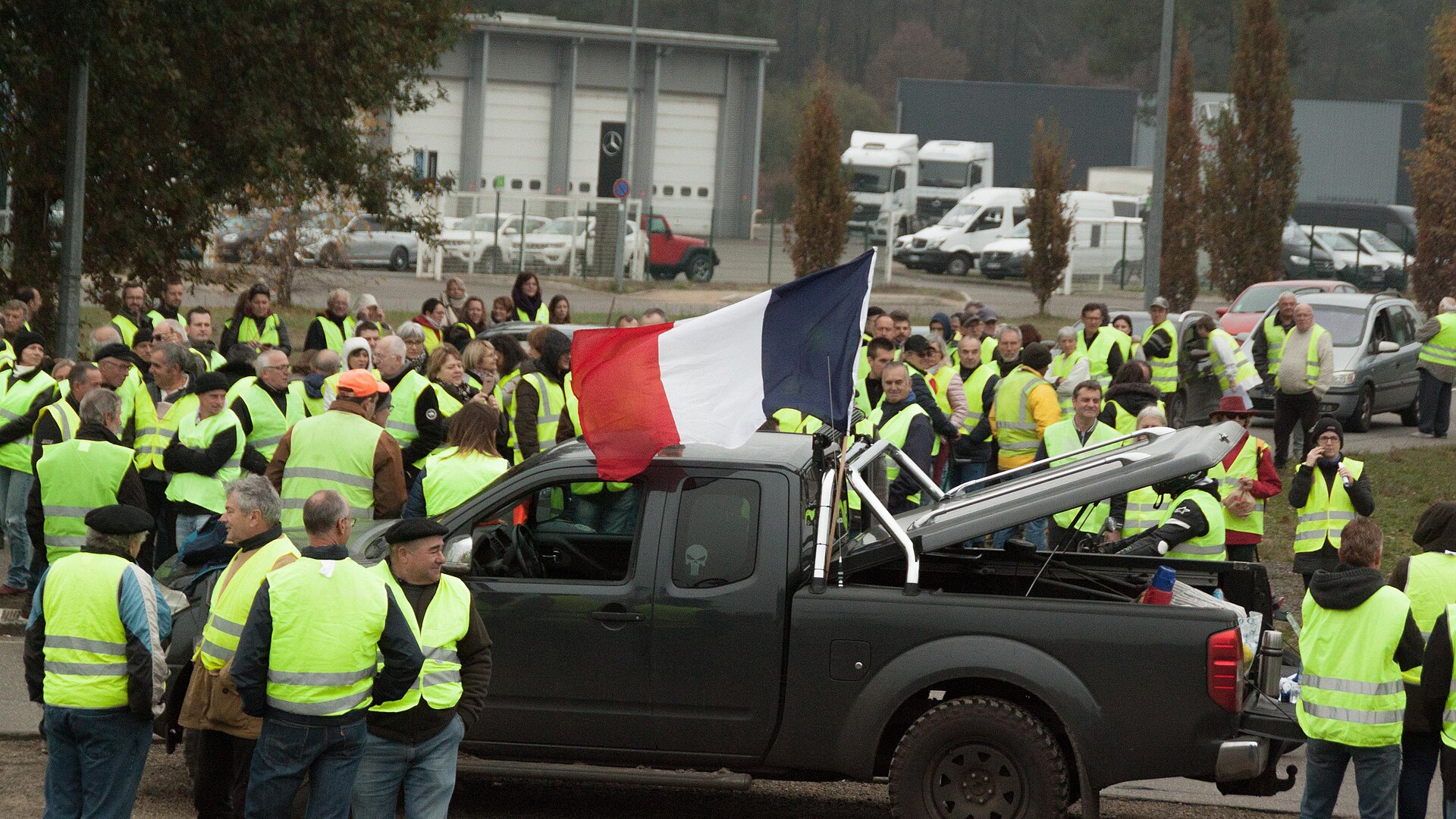
Saturday’s mobilisation sought support from students and teachers as well as workers, pensioners and farmers. Calls circulated on social media to revive the yellow-vest movement that emerged in 2018, linking the current school protests with a broader tradition of demonstrations over social injustice.
The CGT, one of France’s largest trade unions, backed the protests. It called for higher wages and pensions, lower prices and public services that meet people’s needs. Those demands show why the demonstrations cannot be understood solely as a dispute about one school or one local authority.
A 19-year-old participant in Paris, identified by the Guardian as Lola, said fuel and living costs were too high and accused authorities of responding violently to pupils seeking more teachers and decent learning conditions.
French authorities recorded 140 protests involving 32,800 people outside Paris by midday. That was a partial count at a particular time, not a final nationwide total. The Guardian’s description of much larger numbers across the day should not be confused with that earlier official figure.
Clashes in Paris and Marseille
Around Place de la République in Paris, a peaceful march gave way to confrontations involving masked and black-clad participants. The report described attacks on a bank, looting at a sports shop and fires in wheelie bins.
A lorry was set alight and the flames spread to a nearby building. Along Boulevard Magenta, shops were broken into, while residents shut doors and windows as teargas spread through surrounding streets.
In Marseille, protesters used barriers removed from the street to force the town hall door and briefly entered the building. Police removed them after a protester sprayed an anarchist symbol on a wall, according to the report.
Police maintained a large presence around central Paris landmarks. The Champs-Élysées and Arc de Triomphe were excluded from official demonstration routes, while several Métro stations closed at police request, including stations near key government buildings.
Authorities and protesters dispute the response
President Emmanuel Macron had appealed for calm on Friday, saying the constitutional right to protest must be respected alongside people and property. He condemned the prospect of participants attending solely to cause damage.
The demonstrations also drew contrasting political responses. France Unbowed leader Jean-Luc Mélenchon supported student protesters and attended a demonstration earlier in the week, while right-wing politicians backed the police response.
The policing of earlier protests remains under investigation. The police watchdog is examining at least two dozen allegations of police violence, while the prime minister said more than 900 officers had been injured during the wider period of unrest.
Those figures concern the preceding weeks, not Saturday alone. Similarly, reports of thousands of arrests and hundreds of injuries during the wider movement should not be presented as a single-day toll.
Nuñez had suspended the use of one type of stun grenade against young demonstrators after a 15-year-old lost a hand, but said the weapon could be used on Saturday. The new clashes leave both immediate public-order questions and the original complaints about education and living standards unresolved.