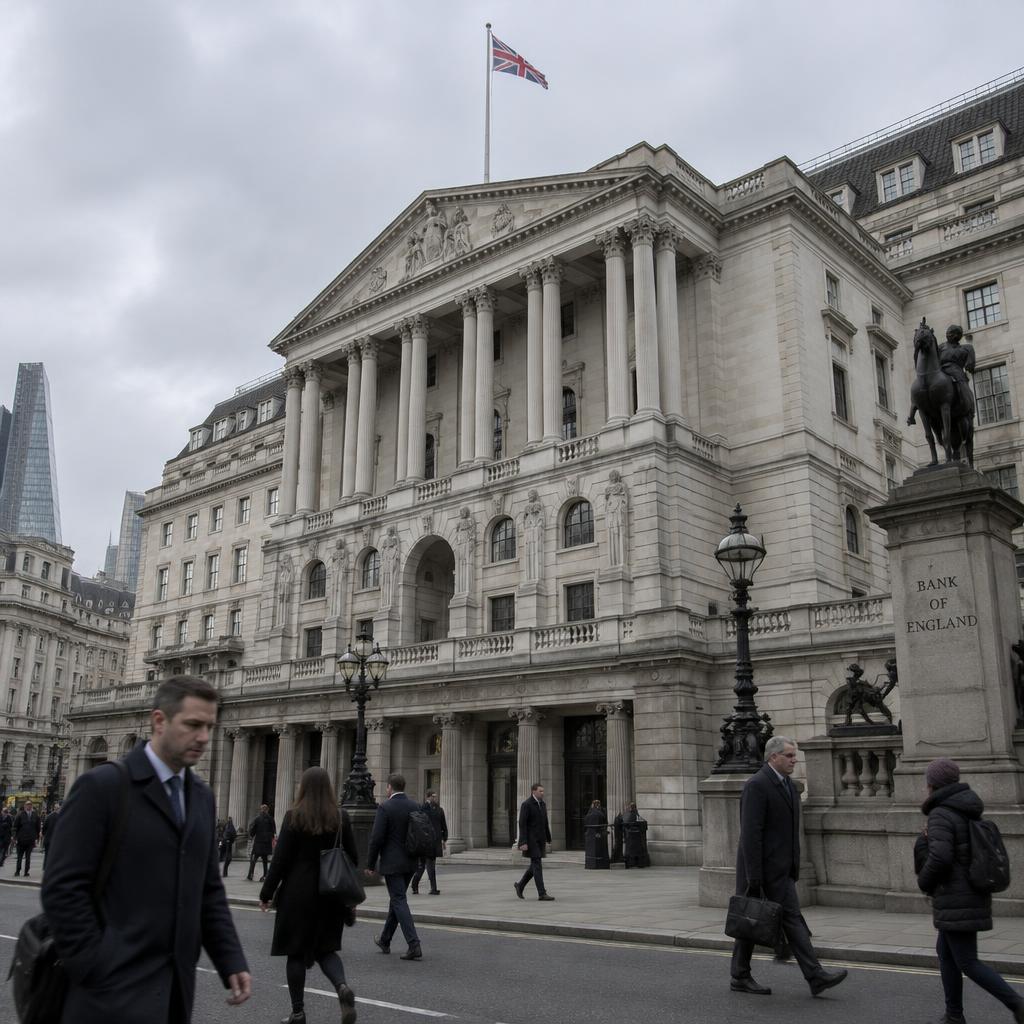
British businesses are slashing costs and squeezing their own profit margins to shield households from the energy price shock caused by the conflict involving Iran, the governor of the Bank of England has said.
Andrew Bailey said companies across the economy were absorbing a significant part of the rise in energy and transport costs rather than passing it straight on to customers — a deliberate effort, he suggested, to protect demand at a fragile moment.
But he cautioned that there were limits to how long firms could continue to absorb the pressure, raising the prospect that prices could climb more steeply if the shock persists.
A shock working its way through
The disruption to oil and gas supplies through the Gulf has kept energy prices elevated for months, feeding through into fuel, heating, manufacturing and distribution costs across the economy.
Mr Bailey's remarks suggest the Bank sees the current phase of the shock as being borne disproportionately by business margins rather than by consumers — a pattern that has helped keep headline inflation lower than many feared.
That is little comfort to firms, particularly smaller manufacturers and hospitality businesses, for whom energy is one of the largest single costs. Industry groups have reported a renewed wave of distress among energy-intensive businesses.
The governor pointed to evidence from the Bank's network of regional agents, who report that companies are postponing investment, trimming overtime and renegotiating supplier contracts before resorting to price rises. Such measures, he suggested, explain why inflation has not climbed as steeply as the scale of the energy shock might have implied.
The inflation calculation
The governor's comments will be closely studied by investors trying to guess the Bank's next move on interest rates. If businesses are absorbing costs, the inflationary pressure from the energy shock may prove more contained — strengthening the case for holding or even cutting rates.
But if margins reach breaking point and companies begin raising prices in earnest, the Bank could face the worst of both worlds: rising prices alongside a slowing economy.
Mr Bailey has repeatedly stressed that the Monetary Policy Committee will not respond to temporary price movements but will act if it sees signs that higher costs are becoming embedded in wages and prices.
Households still feeling the strain
Whatever the aggregate picture, households are in little doubt that life has become more expensive. The TUC estimated this week that the average household has paid nearly £14,000 more in essential bills since 2021, and the energy regulator has warned of a difficult winter ahead.
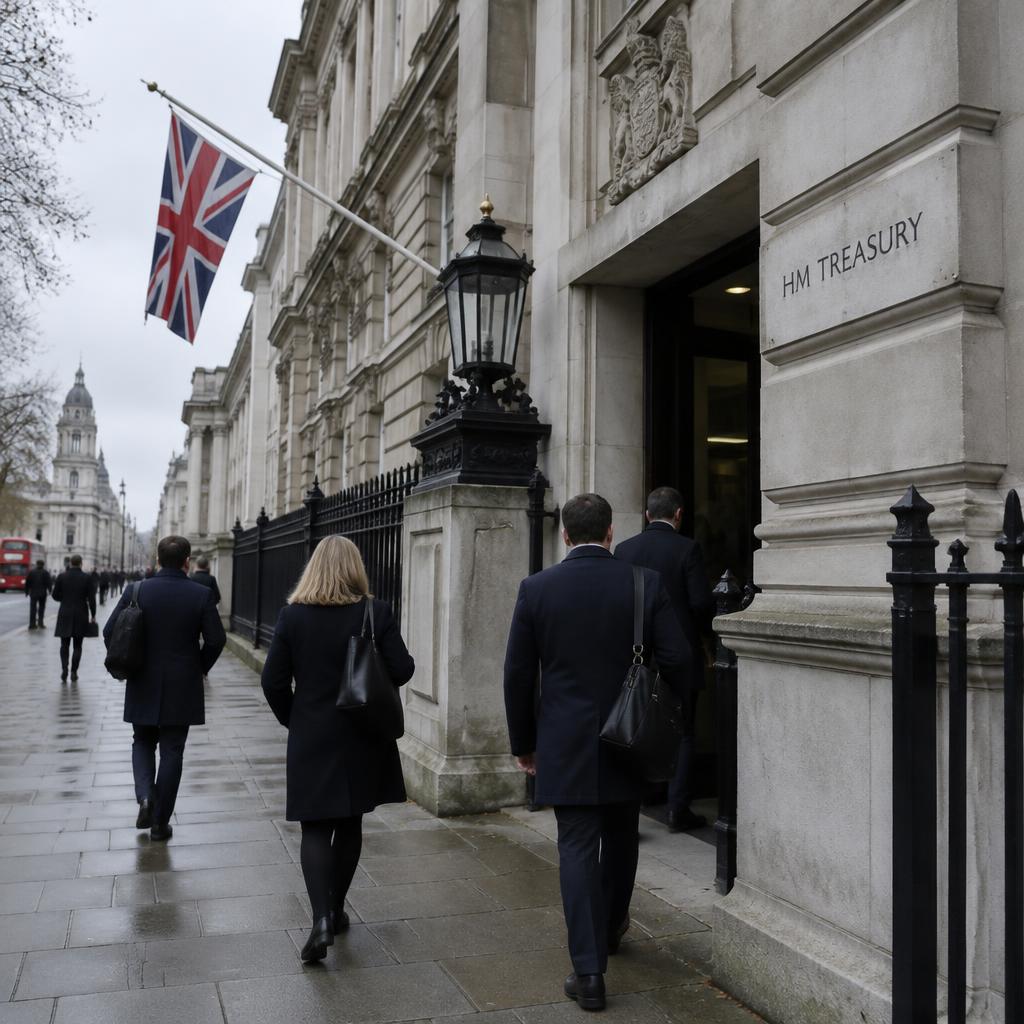
The government's room to help is constrained. The Chancellor has indicated that any support in this month's Budget will be targeted at poorer households rather than universal, and has declined to commit to extending the VAT cut on energy bills.
That has set up a tense few weeks. Unions, charities and business groups are all lobbying for relief, while the Treasury insists that every pound of support must be paid for.
An uneasy balance
For now, Mr Bailey's message is that the economy is absorbing the blow — but bending, not breaking. Businesses are earning less on each sale; households are spending more on each essential; and the Bank is watching both, waiting to see which gives way first.
The answer will determine not just the path of interest rates, but the shape of the recovery that ministers so badly need before the next election.
Until the energy markets calm, the governor's quiet warning stands: someone has to pay for the shock, and the only question is how long businesses can keep volunteering.