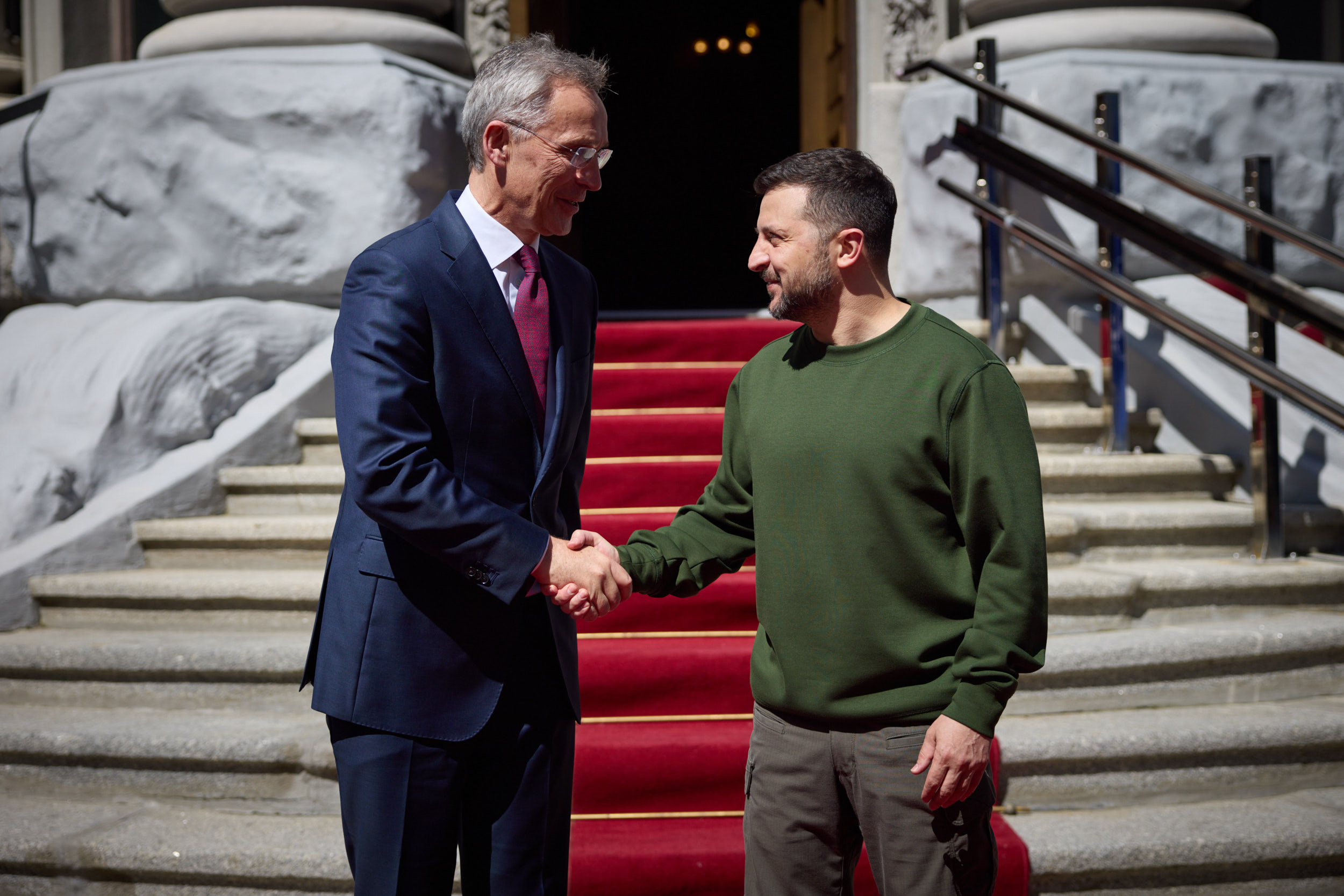
Volodymyr Zelenskyy has said Ukraine’s military satellite capabilities are recovering but have not returned to their previous limits, as he asked European leaders for at least another €70bn next year.
Speaking after talks in Brussels on Friday, the Ukrainian president said his defence ministry was in contact with partners and had received signals that capabilities would be restored. He said the previous speed limits had not yet returned.
His comments came amid reports that an instruction to restrict the military satellite service originated inside the White House. Donald Trump disputed US responsibility, and the account of who ordered the restrictions has not been officially confirmed.
The meeting with European leaders brought two questions together: Ukraine’s ability to maintain military communications and the funding needed to sustain its defence in 2027.
Military service under scrutiny
The issue concerns Starshield, the military counterpart of SpaceX’s Starlink satellite internet network. The military service is produced by SpaceX but controlled by the US government, a distinction that matters when assessing who can decide how it operates.
Zelenskyy said Ukraine’s partners had told him there were signals from the White House that the capabilities would be returned. Asked whether previous limits had been restored, he answered no, while saying recovery was under way.
The Guardian relayed Reuters reporting based on two US officials and a western official briefed on the matter. They said the instruction to throttle Starshield came from inside the White House, but did not identify the official responsible.
Trump said he did not think either he or Elon Musk was responsible. The reported origin of the instruction therefore remains disputed, and it should not be presented as a publicly acknowledged administration decision.
Zelenskyy described the reduced capabilities as a dangerous and unpleasant surprise. Ukraine uses satellite connectivity to support military operations, including air defence against Russian drones, making limits on the service an operational concern rather than simply a dispute over civilian internet access.
A further funding request
According to a transcript of his remarks to EU leaders, Zelenskyy estimated that the war would cost €155bn in 2027. He requested at least €70bn more for defence, weapons and national resilience.
European Commission president Ursula von der Leyen agreed that there was a €70bn gap to cover. However, she expected other international partners to contribute part of that amount. Her statement was not an announcement that the European Union had awarded Ukraine a new €70bn package.
The EU is already making regular payments under a €90bn funding plan agreed last December for 2026 and 2027. That plan was intended to cover two-thirds of Ukraine’s civilian and military needs, with other partners providing the remaining share.
The new request points to a further financing problem despite that existing support. It leaves European governments to consider both how much they can contribute and how assistance should be divided with countries outside the bloc.
Frozen Russian assets return to the debate
The discussion has revived attention on approximately €210bn in Russian assets frozen within the EU. The bloc uses profits from those assets to support Ukraine, but last year chose not to use the principal itself, instead agreeing the EU-backed loan.
Belgium, which hosts most of the frozen funds, remains opposed to using the assets themselves because of the potential financial burden if the arrangement goes wrong. Zelenskyy suggested a special custodian controlled by the EU as a possible alternative.
The European Commission has been reluctant to bring forward new versions of the proposal because of continuing opposition from Belgium and other sceptical member states. No agreement to transfer the frozen principal was announced at Friday’s meeting.
Von der Leyen also said the EU intended to increase pressure on Russia through another sanctions round. She accused Russia of failing to respect an attempted energy ceasefire and said existing sanctions would not be lifted unless the war stopped.
The outcome was therefore a statement of European support and a renewed discussion about funding, rather than a completed financial settlement. Ukraine’s immediate concerns remain the restoration of military satellite capabilities and securing sufficient resources for the coming year, while responsibility for the service restrictions remains contested.