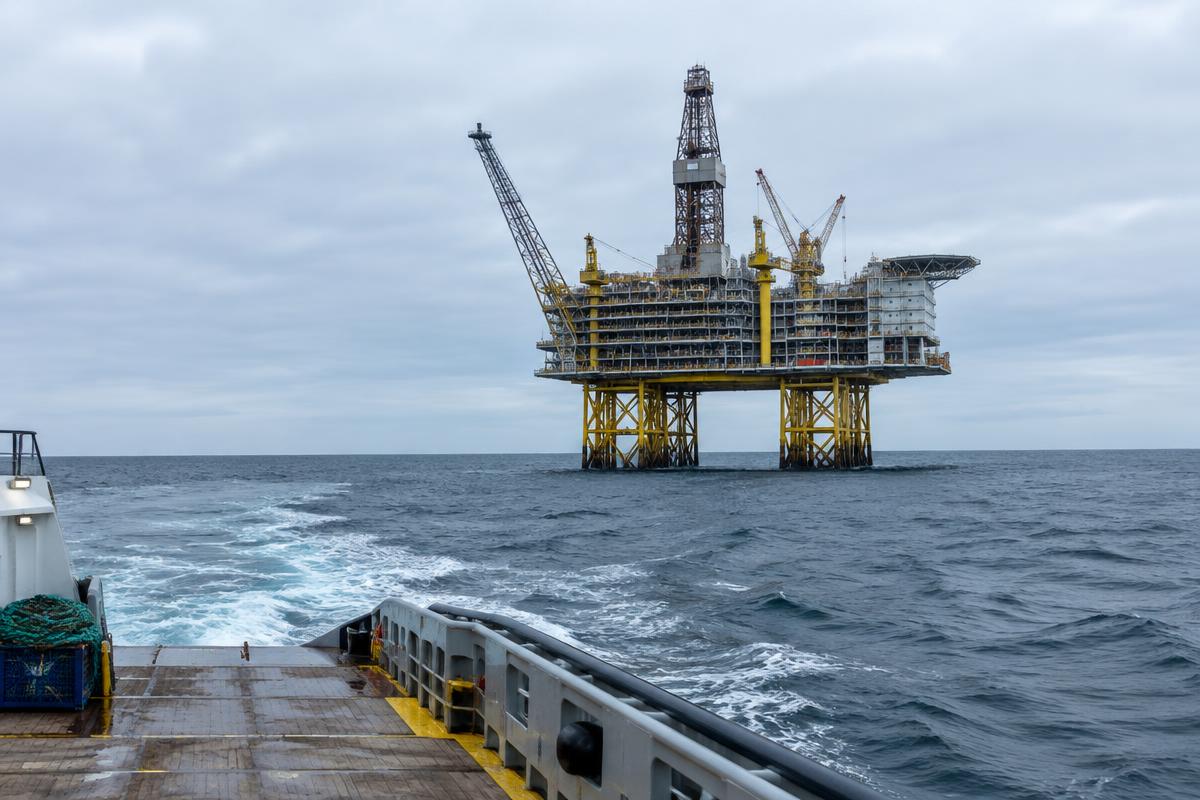
The SNP has backed a conference motion favouring domestic oil and gas production over imports, while rejecting an attempt to raise levies on fossil fuel companies.
Delegates agreed that using Scotland’s remaining resources, subject to climate compatibility assessments, was preferable to importing oil and gas. The decision sharpened the party’s position on an industry whose future has become a divisive question for Scottish politics, particularly in the north-east.
The vote, reported on Friday, also exposed disagreement over how the transition to a net zero economy should be financed. Trade union members wanted the party to support higher profit levies on fossil fuel extractors and polluting industries. Opponents argued that such a demand would damage the party’s standing with workers concerned about employment in the North Sea.
Domestic production takes centre stage
The agreed motion said that domestic production, reviewed through climate compatibility assessments, was ‘clearly preferable to importation’. It also called for policies protecting Scottish jobs and skills, and for the economic benefits of remaining oil and gas resources to help finance the move towards net zero.
Those conditions matter. The conference did not simply endorse production without qualification: its wording retained a climate assessment requirement and placed the sector within a wider transition. Nor does a party conference vote itself amount to approval for any particular development.
Richard Thompson, the SNP candidate who lost the Aberdeen South Westminster by-election, said the new position should end suggestions that the party supported a presumption against new projects. He argued that the earlier wording had sent a damaging signal to the industry and the people working in it.
Thompson linked that perception to his electoral defeat, saying workers had been left with the impression that the SNP was no longer on their side. His intervention framed the issue not only as an environmental argument, but also as a question of political trust in communities tied to offshore employment.
Divisions over taxing profits
The rejected amendment proposed increasing profit levies on fossil fuel extractors and polluting industries. Simon Barrow, national secretary of the SNP Trade Union Group, urged delegates to treat those revenues as an opportunity to benefit Scotland rather than accepting the existing distribution of resources.
Barrow challenged the argument that taxes on excess profits were responsible for lost jobs. He instead blamed Westminster for failing to direct resources towards Scotland, particularly the north-east, and called for a more ambitious debate about how the proceeds could support communities.
Energy minister Stephen Gethins, who presented the main motion, opposed the amendment. He said he had seen the damage caused by the UK energy profits levy and would vote against a proposal calling on the UK government to increase such charges.
The two positions reflected different answers to the same question: whether additional taxation would provide money for change, or undermine the investment and employment needed to sustain the industry during that change. Delegates chose not to add the higher-levy demand to their agreed position.
Jobs, climate and political credibility
The debate was forceful. Aberdeen Central MSP Jack Middleton attacked Westminster’s handling of Scotland’s energy wealth and warned that supporting higher levies could allow opponents to portray the SNP as backing job losses. His claims about the scale of employment losses were arguments advanced in the conference debate, not findings established by the vote.
For the party, the outcome provides a clearer statement of support for domestic production than the disputed presumption against new developments. But the motion’s climate conditions mean that questions about individual projects, their environmental compatibility and their contribution to the transition remain.
The vote also leaves a visible disagreement about who should pay for that transition. Trade union advocates sought a larger contribution from profitable fossil fuel businesses; the successful motion focused on preserving jobs, skills and the economic value of remaining resources.
What emerged was a change in the SNP’s conference position, rather than a new drilling licence or an immediate tax decision. Its practical significance will depend on how the party carries that position into government policy and future arguments over the North Sea.