Eleven people are believed to be missing after a boat sank in the Pacific Ocean off Mexico’s Baja coast, prompting a rescue operation that brought 16 survivors to safety.
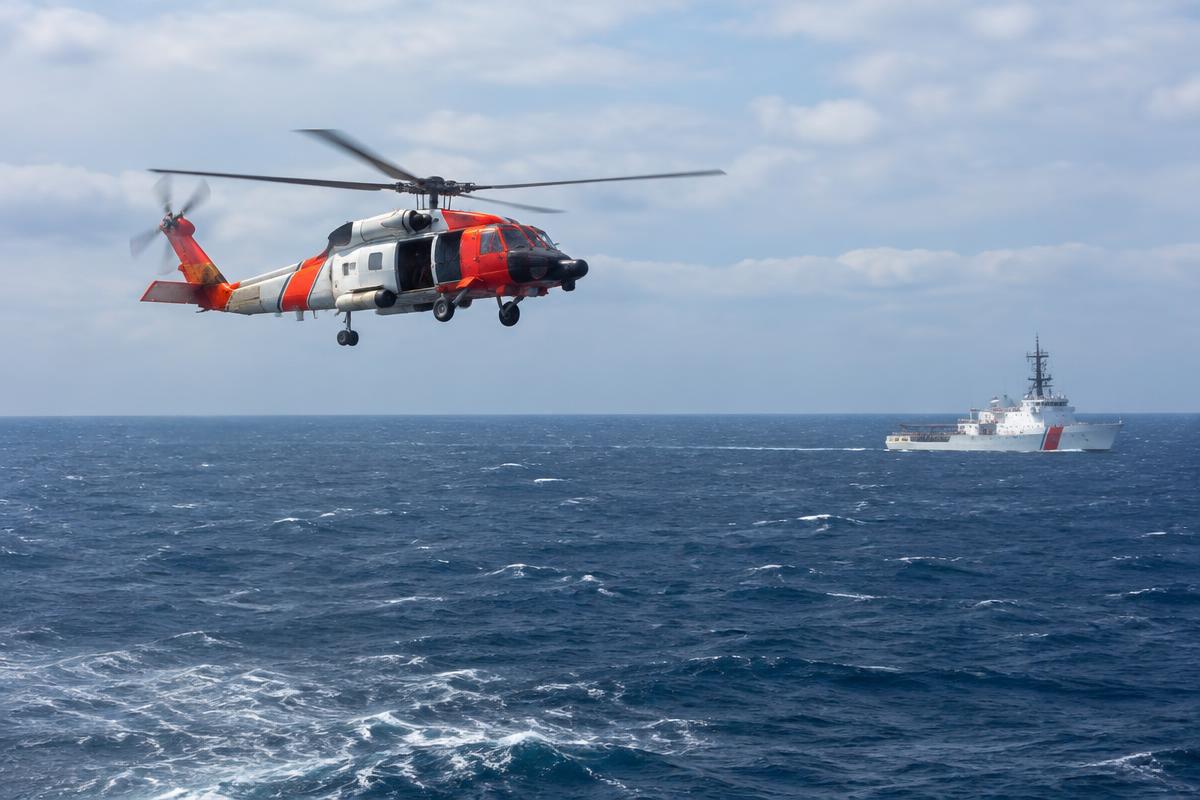
The US Coast Guard said it responded to a Mayday call early on Friday and sent a helicopter to the area, about 225km west of Ensenada. The survivors were lifted from the water and flown to San Diego, where they were taken to hospitals.
Authorities said two people were in critical condition and another was receiving treatment for a suspected shark bite. The Mexican consulate said the rescued people were Mexican nationals and offered consular assistance in San Diego.
Coast Guard and US Navy crews continued searching for those believed to be missing. The authorities had not established the vessel’s origin, destination or purpose, and rescuers found debris rather than the boat itself.
Mayday call brings helicopter response
Coast Guard Lieutenant Santiago Tamburini said someone aboard the boat transmitted the distress call at about 1am on Friday, equivalent to 08:00 GMT. A rescue helicopter reached the location approximately two hours later.
The crew included a rescue swimmer. Recovering the 16 people from the sea took about 90 minutes, Tamburini said, before they were flown to California for medical care.
The reported timing puts the call, flight and recovery operation in the early hours of Friday. It does not establish how long each individual had been in the water before the helicopter arrived, or precisely when the vessel went down.
The distance from Ensenada placed the emergency well offshore, rather than immediately beside a beach or harbour. The initial operation depended on an aircraft reaching the site and bringing people aboard from the ocean.
The rescue was followed by a larger search. Two helicopters, a fixed-wing aircraft, a Coast Guard cutter and a Navy combat ship were involved in the effort to find further survivors.
Survivors taken to hospitals
The rescued group was transported to San Diego hospitals after reaching land. Authorities reported the two critical cases and the suspected shark bite, but the available account did not give a complete description of the other survivors’ injuries or conditions.
The Mexican consulate’s involvement provided a point of contact for the rescued nationals and assistance while they were in the United States. Its confirmation of their nationality did not establish the identity or nationality of everyone believed to remain missing.
The Coast Guard described 11 people as believed to be still missing. That wording leaves the number subject to confirmation as the search and investigation continue; it is not a confirmed death toll.
No vessel was found at the scene, only debris. The Coast Guard said it remained unclear what type of boat was involved, an important gap in understanding the circumstances of the sinking.
Boat’s journey remains unclear
The area is used by fishing and leisure vessels as well as by smugglers transporting migrants towards the United States. The presence of smuggling routes does not establish that this boat was carrying out such a journey.
Tamburini said boats in those waters could be engaged in fishing, leisure or personal recreation, and that the authorities did not know what the people aboard had been doing there. Investigators had not confirmed where the vessel came from or where it was headed.
Those unanswered questions mean there is not yet a confirmed account of why the boat sank. The rescue details establish where the emergency happened and how survivors were recovered, but not the cause of the loss or the circumstances that brought the vessel so far offshore.
The immediate priority remains finding the people believed to be missing. Aircraft and ships are continuing that effort while medical teams treat the survivors brought to San Diego.
For families awaiting news, the operation has produced both relief and uncertainty: 16 people have been rescued, but the fate of the others and the full story of the vessel’s final journey have yet to be established.