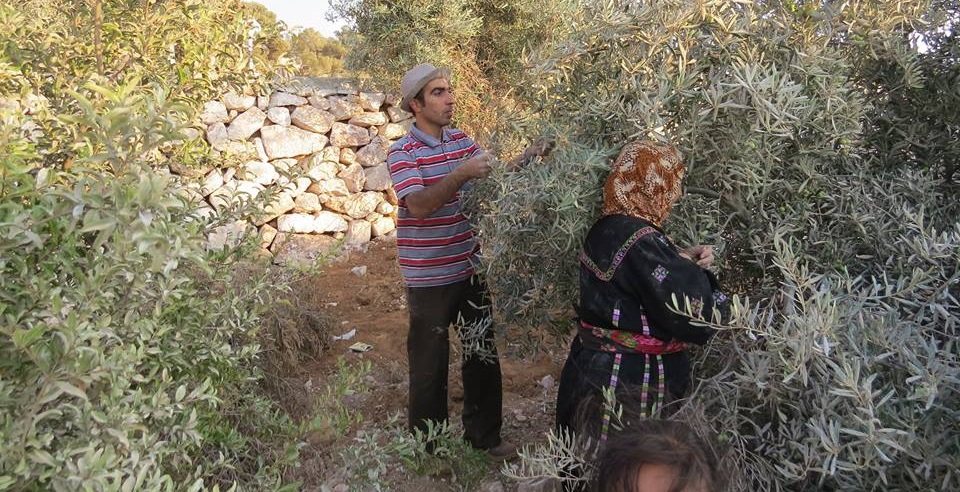
Palestinian olive farmers and an American photojournalist have been injured in attacks by Israeli settlers across the occupied West Bank, as violence disrupted the annual harvest.
Palestinian authorities said they recorded attacks in eight villages on Friday, with at least 20 people injured. In one incident near Ramallah, settlers beat Washington Post photographer Heidi Levine and stole her passport, phone, wallet and equipment.
The Washington Post said Levine was visibly identified as a journalist. Israel’s prime minister’s office said the circumstances surrounding her assault were unclear, offered a different account of the confrontation and condemned violence against anyone.
The incidents place renewed attention on the safety of agricultural workers and journalists during a harvest that provides an important source of income for Palestinian communities.
Assault near Ramallah
In Abu Falah, near Ramallah, the Guardian reported that at least 80 settlers gathered to prevent Palestinians picking olives. Some carried firearms or clubs, while others used slingshots to throw stones towards the farmers.
Israeli military vehicles were present. The report said Israeli forces fired teargas towards Palestinians after some of them picked up stones in response. That account describes the actions observed during the confrontation, rather than an official finding into responsibility for every injury.
Witnesses said the assault on Levine lasted more than ten minutes. Speaking from a hospital bed in Ramallah, she said she had been pushed to the ground and repeatedly kicked. She credited her protective equipment and the intervention of Palestinian colleagues with helping her survive the attack.
The Israeli Foreign Press Association condemned the violence and said repeated calls for action against attacks on journalists and other civilians had been ignored by the authorities.
Benjamin Netanyahu’s office disputed aspects of the account. It said the facts were unclear and suggested a confrontation involving Arabs and leftwing activists had preceded the incident with Israeli youths. The office also said it condemned violence against anyone.
Cars burned during earlier attack
Hours earlier, near Turmus Ayya, settlers attacked another group harvesting olives and burned three cars, the Guardian reported. Those events were separate from the assault in Abu Falah, although both occurred during Friday’s harvest work.
The latest reported injuries form part of a wider rise in violence. Israeli rights group Yesh Din said it had recorded at least 170 attacks since 27 September, around the beginning of the olive-picking season.
Palestinian authorities said at least four Palestinians had been killed and more than 100 injured over the preceding month. Those broader-period figures should not be confused with Friday’s reported toll of at least 20 injuries.
Rights organisations have also reported damage to trees and the theft of harvested olives. B’tselem shared videos it said showed bags of olives being taken from Palestinians to Israeli presses. Such accounts add an economic dimension to the reported assaults, with the crop itself at risk as well as those gathering it.
Access restrictions deepen harvest difficulties
The violence comes alongside changes to military rules governing access to agricultural land. New orders prevent Palestinians entering approximately 8,800 hectares without Israeli military approval, a reported increase of about 30% on the previous year.
The restrictions concern land in Area C, which is under Israeli military control and contains much of the West Bank’s agricultural land. The need for permission to enter affected areas creates a separate obstacle to harvesting, even where no attack occurs.
Israeli group Peace Now said the amount of land Israeli citizens were barred from entering for the purpose of preventing settler violence fell from about 1,070 hectares in 2025 to 680 hectares this year.
Olive growing has become still more important for many families since Israel revoked work permits for numerous West Bank Palestinians after the Hamas-led attack of 7 October 2023. Losing access to trees or harvested produce can therefore affect livelihoods already under pressure.
The United Nations and most countries regard Israeli settlements in the occupied West Bank as contrary to international law. Friday’s incidents raise immediate questions about protection during the harvest, the investigation of assaults and whether farmers and journalists can return safely to the affected areas.