UK inflation has risen sharply to 3.5%, pushed up by soaring prices at the petrol pump, piling pressure on household budgets a week before the chancellor delivers his first Budget.
The Consumer Prices Index rose by 3.5% in the 12 months to September, up from 3.1% in August, according to the Office for National Statistics (ONS). It is the highest rate since October last year.
On a monthly basis, prices rose by 0.4% in September, compared with little change in the same month a year earlier.
Fuel drives the rise
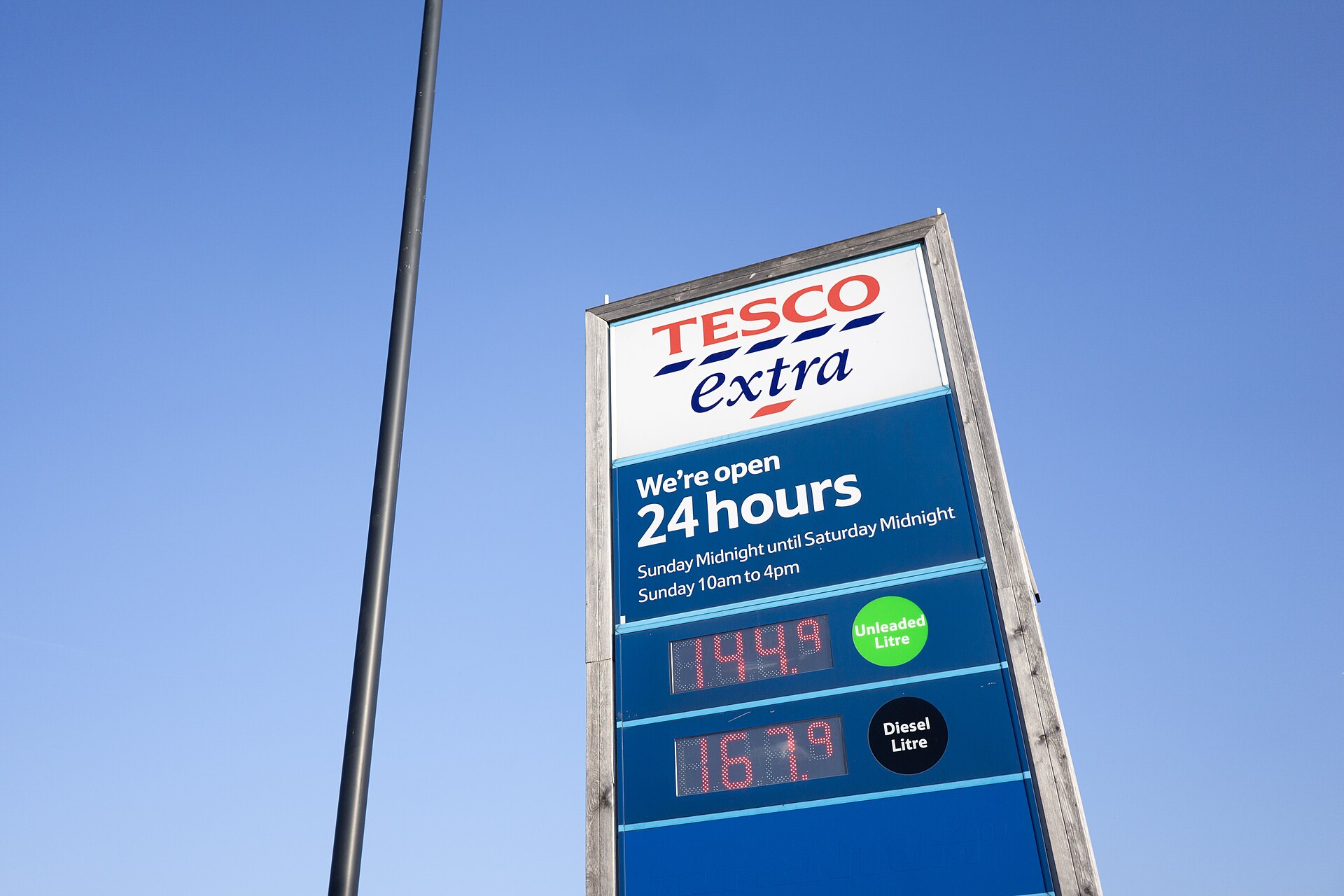
Transport, and in particular motor fuels, made the largest upward contribution to the change. The average price of petrol rose by 8.2p a litre between August and September to 169.5p, the highest since August 2022. Diesel climbed to 192.5p a litre. Motor fuel prices overall were up 29.8%, the figures showed.
ONS chief economist Grant Fitzner said September’s “notable” increase meant inflation was at its highest rate in almost a year. As well as fuel, he said rising prices for air fares, computer games and live events had contributed.
Fuel costs have climbed as conflicts in the Middle East and Europe squeeze global oil supplies. The effective closure of the Strait of Hormuz by Iran following US and Israeli attacks has severely disrupted a major route for crude oil, while refining capacity has been hampered by Russian and Ukrainian attacks on each other’s energy infrastructure.
Air fares fell by 19.5% between August and September, a smaller fall than the 28.8% recorded a year earlier, which had an upward effect on the annual rate. The ONS said that came mainly from European routes.
Food inflation at a five-year low
Not every category moved upwards. Restaurants and hotels made the largest offsetting downward contribution. Food and non-alcoholic drink prices were 1.3% higher than a year earlier, unchanged from August and the lowest rate since September 2021. Prices of food and soft drinks fell by 0.2% during the month itself.
The ONS noted, however, that organisations such as the Food and Drink Federation expect food inflation to arrive later and persist for longer, as competition and resistance from retailers delay price rises reaching shelves.
Core inflation, which strips out energy, food, alcohol and tobacco, rose from 2.6% to 2.8%. The rate of goods inflation increased from 2.7% to 3.2%, and services inflation from 3.4% to 3.7%.
The broader CPIH measure, which includes owner-occupiers’ housing costs, rose from 3.3% to 3.6%. Owner-occupiers’ housing costs themselves were 4% higher than a year earlier.
Borrowing and the Budget
Separate figures showed the government borrowed £25bn in September, £1.8bn more than a year earlier, as higher inflation pushed up the cost of interest on government debt.
Healey said: “We know that price rises from conflicts in the Middle East and Europe are hitting Britain and countries worldwide.” He pointed to recent praise from the International Monetary Fund for the government’s “fiscal discipline” and to Wednesday’s approval of more gas production from the North Sea’s Jackdaw field.
He said the Budget on 28 October would “keep up this momentum” by sticking to the government’s self-imposed fiscal rules and by driving “growth in every postcode, while giving businesses and families some breathing space”.
What it means for households
Inflation measures how quickly prices are rising, not the level of prices. A rate of 3.5% means a basket of goods and services that cost £100 a year ago now costs £103.50 on average – although the experience of individual households varies widely depending on how much they drive and what they buy.
For drivers the rise is felt most directly at the pump, where filling a typical 55-litre family car with petrol now costs more than £93 at September’s average price. Households that rely on diesel vehicles, including many in rural Scotland, face even steeper bills.
The figures are likely to sharpen the debate over what the chancellor can offer in next week’s Budget, with the government having already signalled that banks are expected to face higher taxes and that capital gains tax will not rise.