
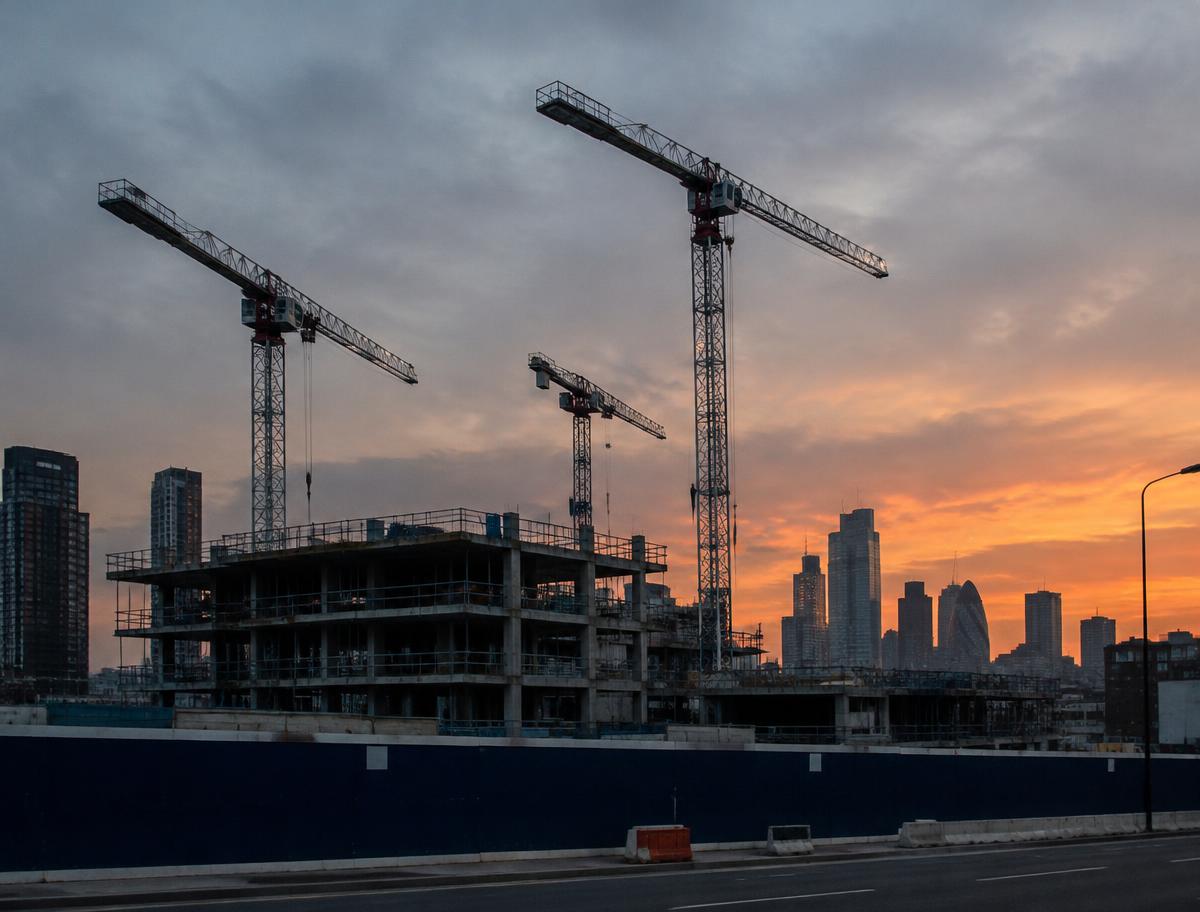
One of Britain's biggest housebuilders has said it will not launch any further housing developments in London, in a fresh blow to efforts to tackle the capital's chronic housing shortage.
Jennie Daly, chief executive of Taylor Wimpey, said the company intended to complete projects already under way in the city but had no plans to buy further land or bring forward new schemes. Speaking on The Times' Business podcast, she said the economics of building in London had become unworkable.
"Baseline viability is, I think, fundamentally broken in London," she said. "The reward for undertaking what is a very high-risk form of development in London has just evaporated."
What is driving the decision
Ms Daly pointed to a combination of factors that she said had pushed up costs and squeezed returns for developers working in the capital. Among them was the post-Grenfell requirement for residential towers above 18 metres to include a second staircase, a safety measure introduced following the 2017 fire that killed 72 people.
She also criticised the way the Greater London Authority can use late-stage viability reviews to increase the proportion of affordable housing required within a scheme, even after a developer has agreed terms. She said this meant that even projects which initially looked financially sound could see their profits eroded well into construction.
A further factor, she said, was the decline in foreign investment in London's housing market, which had previously supported the early, high-risk phase of large developments by allowing builders to pre-sell units and reduce their exposure before construction began.
Not an isolated move
Taylor Wimpey is not the first major developer to scale back its ambitions in the capital. Berkeley Group, which as recently as February accounted for roughly 15% of homes under construction in London, halted new land purchases in the city six months ago. Other housebuilders have also indicated they are reducing their exposure to London in favour of other regions.
Separate industry data illustrates the scale of the slowdown. Figures from property analysts Molior showed developers started just 2,876 new private homes in the capital in the second quarter of the year, roughly 13% of the number needed to meet the government's housebuilding targets for the city.
Nationally, the picture has also softened. Figures from Glenigan's Construction Index showed residential project starts fell 33% year on year in the third quarter of 2026, with social housing starts down 35% over the same period, though private housebuilding showed some signs of stabilising compared with the previous quarter.
Political reaction
A spokesperson for the Mayor of London said the mayor was "doing everything he can to deliver more homes" and "recognises the challenges facing housebuilders", but did not directly address Ms Daly's criticism of the authority's approach to viability reviews.
The announcement adds to pressure on the UK government, which has made increasing housebuilding a central plank of its agenda. Separately, the Labour chair of the Commons housing committee, Abena Oppong-Asare, has called for urgent additional funding for affordable homes in England ahead of the Budget later this month.
Housing experts have also raised concerns about the knock-on effects of the government's Right to Buy policy. Analysis by the i newspaper found that more than 14,000 council homes are expected to be sold under the scheme this year and next, against only 10,450 replacement homes the government predicts will be built over the same period, as councils work through a backlog of applications built up after discounts were reduced in 2024.
A wider industry squeeze
The slowdown comes against a backdrop of a stalling housing market more broadly. Figures from Lloyds, formerly Halifax, showed average UK house prices flatlined in September at £298,441, while separate data from Nationwide showed annual house price growth halving to 0.8% as rising mortgage rates deterred buyers.
Industry figures have pointed to the government's forthcoming Budget, and a new first-time buyer support scheme, as potentially significant factors in whether confidence returns to the private housebuilding sector over the coming months.
What happens next
Taylor Wimpey's withdrawal from new development in London does not mean an immediate halt to construction in the city; existing schemes already in its pipeline will continue to completion. But it signals a longer-term shift in strategy away from a market that was once central to major housebuilders' growth plans.
For London, where more than 210,000 people, including over 100,000 children, are currently living in temporary accommodation according to figures cited by housing associations, the retreat of a major builder raises fresh questions about how the capital's housing crisis can be addressed without significant changes to planning rules, taxation or public investment.
Housing associations have separately urged the Treasury to allow London to keep a greater share of stamp duty revenue raised in the capital, to create a dedicated fund for permanent social housing, as part of their submission ahead of this month's Budget.