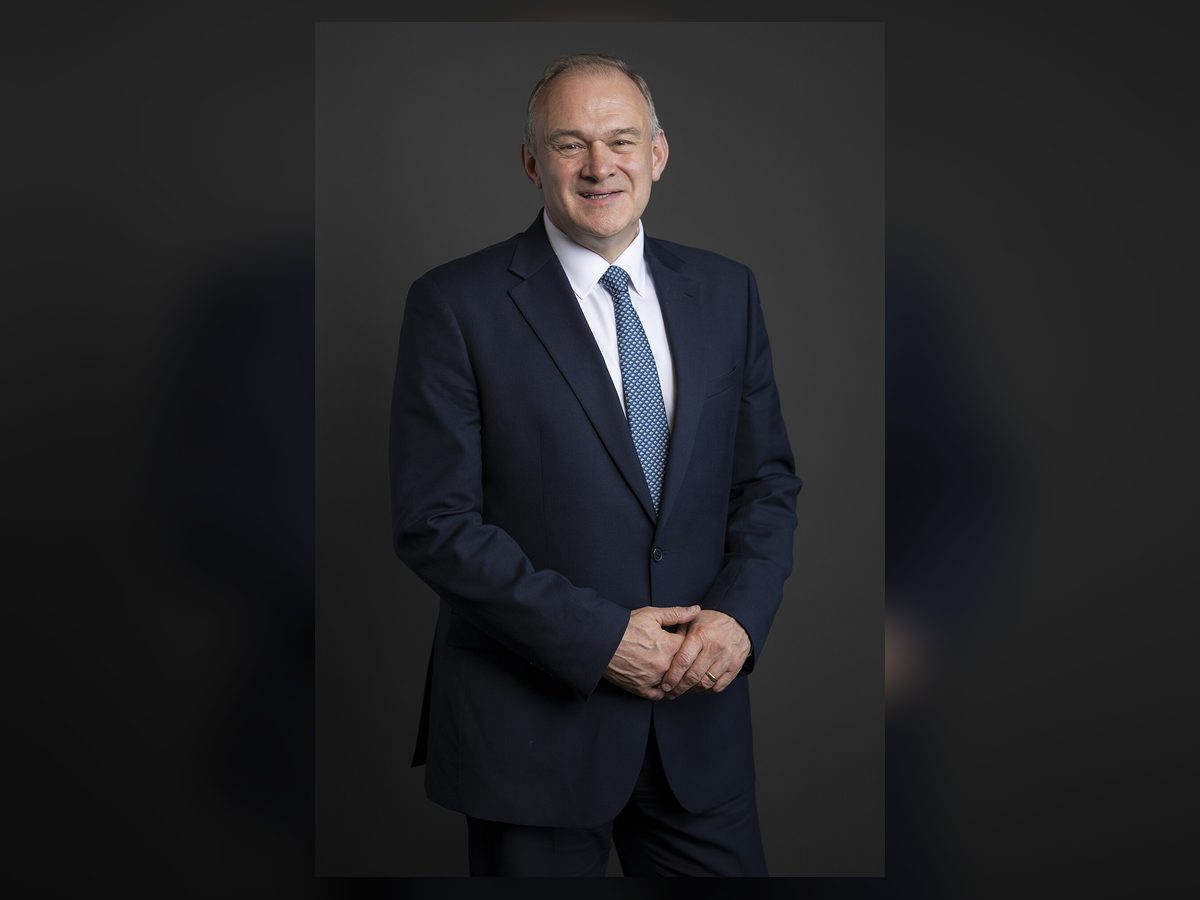
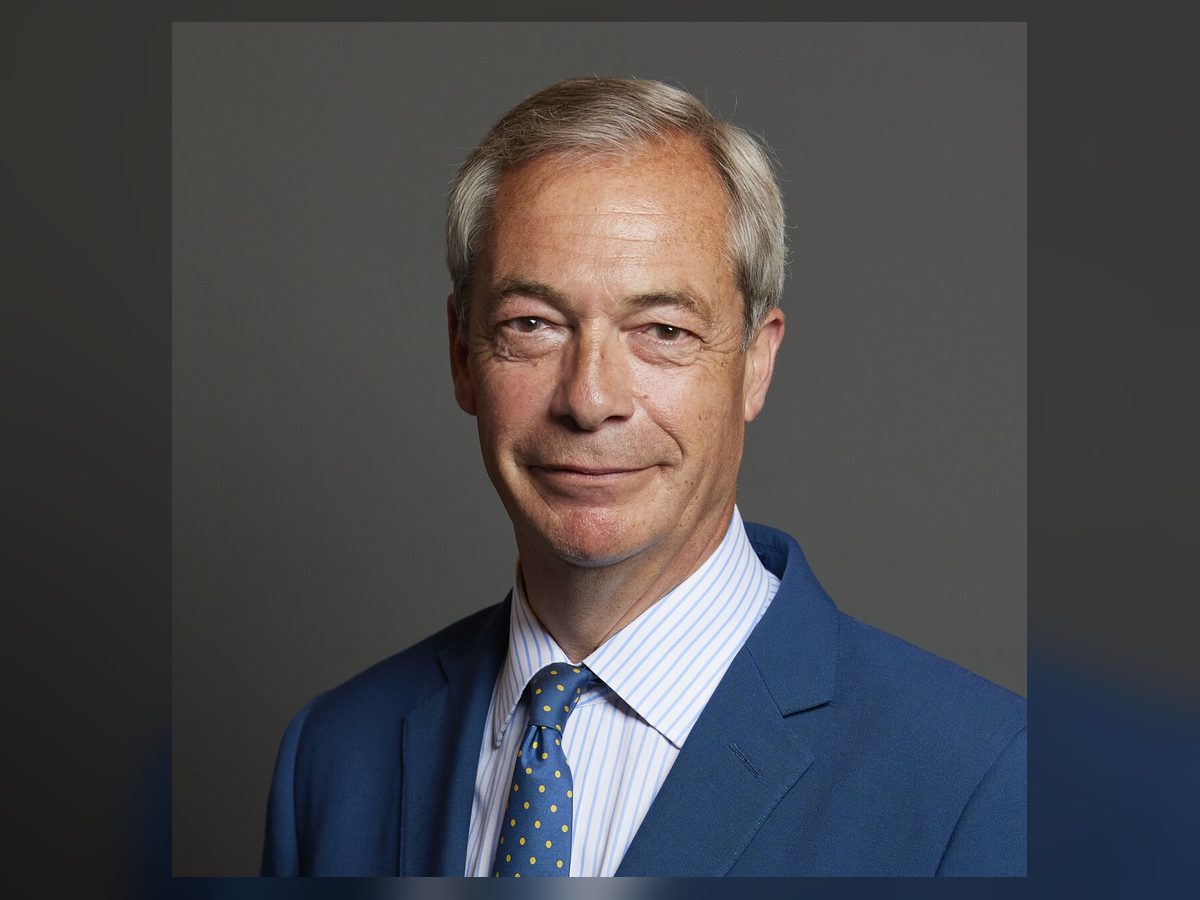
Nigel Farage has declined to rule out a post-election pact between Reform UK and the Conservatives, a day after the Tory leader, Kemi Badenoch, explicitly rejected the idea of the two parties working together.
Speaking during a visit to Accrington in Lancashire as part of Reform's "100 Days to Save Britain" tour, the Clacton MP said a formal arrangement before the next general election was "extremely unlikely". But he added: "After an election, who's to say?"
Badenoch's rejection
The comments came after Mrs Badenoch used her speech to the Conservative Party conference in Birmingham to accuse Reform of wanting to "take us backwards". Addressing those who have called for the parties on the right of British politics to unite, she said: "To those who say 'unite the right', we are not uniting with that."
Mrs Badenoch has previously said she would rather fight two general elections in quick succession than enter a coalition with Reform in the event of a hung parliament, telling the BBC that Mr Farage's party was "neck deep in scandal" and that joining forces with it would be "just one problem after another".
Polling currently points to a hung parliament at the next election, with Labour expected to remain the largest party, Reform in second place and the Conservatives trailing in third. That arithmetic has fuelled persistent speculation at Westminster about whether the two right-of-centre parties might eventually be forced into some form of electoral or governing arrangement.
A fractious relationship
Relations between the two parties have deteriorated sharply over the past year, worsened by a string of high-profile defections from the Conservatives to Reform, including former cabinet minister Robert Jenrick and former home secretary Suella Braverman, both of whom switched allegiance in January.
Senior Conservative figures have been scathing about Reform in private, with aides at the party's conference reportedly describing Mr Farage's party as "nasty people" who had spent two years attacking the very voters and politicians they might eventually need to work with. Mrs Badenoch herself told the BBC that Reform were "just not our kind of people".
The funding row in the background
Mr Farage's comments came a day after an internal Reform UK review concluded that the party had not broken electoral law, following a Channel 4 News investigation into its funding arrangements. The inquiry had examined claims that senior figures in the party discussed ways to disguise a foreign donation.
The 27-page report found that two senior figures had "said things that were wrong, careless and in one instance untrue", but concluded that a proposed £500,000 donation from a foreign source discussed in the Channel 4 report "did not take place", and that Reform had not commissioned opinion polls paid for by undercover reporters.
A Reform spokesperson said the party believed the production company behind the investigation, Verbatim Investigations, had "acted unlawfully" and confirmed it intended to pursue legal action. Two staff members named in connection with the funding claims remain suspended while a police inquiry continues.
Mr Farage insisted the internal review had been as rigorous as any external investigation would have been, and used his appearance in Lancashire to press ahead with Reform's campaign tour, which the party has framed as a 100-day push to demonstrate it is ready for government.
Why it matters
The exchange underlines the delicate balancing act facing both party leaders as they try to appeal to overlapping pools of voters while publicly keeping their distance from one another. For Mrs Badenoch, ruling out any deal with Reform is intended to reassure Conservative members and moderate voters that the party has not been captured by its rival. But doing so also risks alienating voters who have defected to Reform and might otherwise be tempted back under a joint arrangement.
For Mr Farage, leaving the door ajar to a future pact serves a different purpose: it signals confidence that Reform, rather than the Conservatives, would be the senior partner in any eventual arrangement, while avoiding ruling out an option that could prove decisive if the next election produces no outright winner.
Political strategists on both sides expect the question of a possible pact to remain a live issue right up to polling day, shaping how tactically-minded voters on the right decide where to cast their ballots in marginal seats where Reform and the Conservatives are competing directly for the same support.
With the Budget looming later this month and economic policy likely to dominate the next phase of the political calendar, both leaders will be keen to move the conversation away from questions of pacts and mergers and back onto the substance of their respective offers to voters.