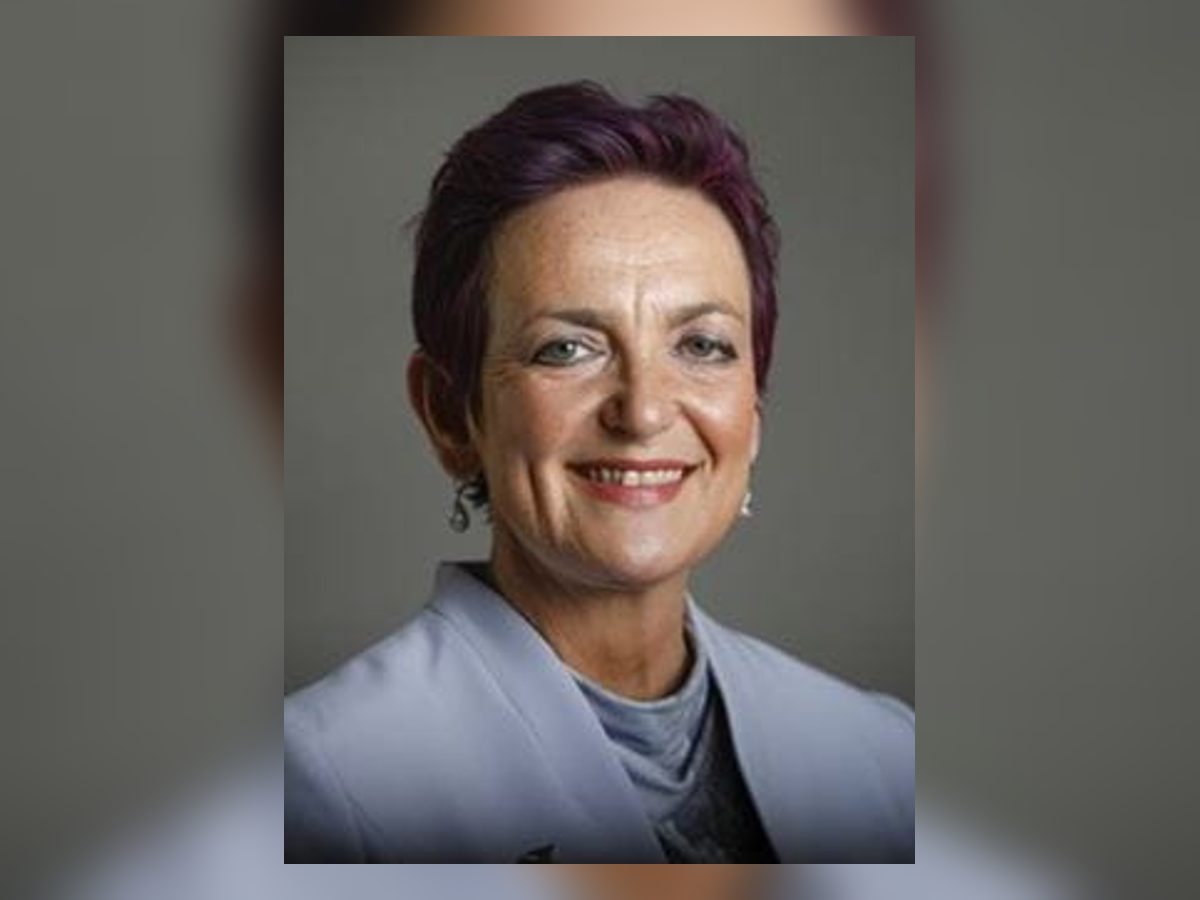
Scotland's Health Secretary has been warned that patients could die this winter because the government's preparations for the annual surge in NHS demand are "flimsy" and "half-baked", as she unveiled the latest winter plan to MSPs.
Angela Constance set out the Scottish Government's approach to managing hospital pressures in a statement to Holyrood, telling MSPs that "preparations have been under way for months" and promising a renewed focus on keeping patients out of hospital wherever possible.
But opposition parties and medical representative bodies reacted with scepticism, arguing that the measures amount to a repackaging of existing initiatives rather than a serious response to a health service they say is already buckling.
What the plan contains
The winter preparedness package includes an expansion of the Hospital at Home service, which allows more than 10,000 patients to be treated in their own homes rather than occupying hospital beds, and a wider adoption of what ministers are calling a "Home First" approach to care.
A new public awareness campaign, due to launch at the end of October, aims to help people understand how to access the right care in the right place, while renewed calls have gone out for eligible people to take up flu and other seasonal vaccinations.
Flu alone hospitalised almost 6,700 people in Scotland last winter, according to government figures, including around 5,000 adults and 1,700 children. Ministers argue that higher vaccine uptake could meaningfully reduce the strain on hospitals in the months ahead.
The plan also includes winter-specific funding, drawn from a wider £90 million package announced earlier this year, aimed at reducing waiting lists for planned operations and procedures, along with further steps to improve the flow of patients through hospitals and free up bed capacity.
'A collective effort'
Ms Constance told Holyrood that managing winter pressures required contributions from across the health and social care system, and from the public itself.
"A collective effort will be critical in the months ahead as we look to support our NHS through the winter. There is a role for everyone in Scotland to play," she said.
"Seasonal illnesses, including flu, are already beginning to circulate, and I encourage everyone who is eligible to come forward for vaccination when invited."
She also issued a pointed message to local authorities over social care provision, telling Parliament it was councils' statutory responsibility to deliver services and that "decisions about budgeting cannot take precedence over the needs of the very people we were all elected to serve".
Ms Constance acknowledged current performance on delayed discharge - where patients remain in hospital after being medically fit to leave - was "troubling". She said the median wait across Scotland currently stood at 33 days, rising to 60 days in the worst-performing areas, and described the geographical variation as "unacceptable".
Doctors' warning
The British Medical Association in Scotland said there were "worrying signs" that this winter would prove more challenging than previous years, pointing to a critical incident already declared by NHS Grampian last month and reports of hospitals being "overwhelmed" in recent weeks.
Dr Nóra Murray-Cavanagh, chair of BMA Scotland, said doctors were not surprised by the pattern repeating itself. "The sad reality is this is of little surprise. In fact, it has become the norm to hear, in October, how the Scottish Government plans to prepare for winter pressures," she said.
She argued that announcements of this kind had become an annual ritual that failed to address the underlying, year-round pressures facing the health service, warning that without more fundamental change, the coming months could prove exceptionally difficult.
Political reaction
Scottish Labour's health spokeswoman Jackie Baillie accused ministers of presiding over continuing deterioration in NHS performance despite repeated winter planning exercises, pointing to this week's figures showing more than 1,600 patients had waited longer than four hours at Edinburgh Royal Infirmary, and more than 1,200 at Glasgow's Queen Elizabeth University Hospital - the worst weekly totals on record at both sites.
She said the pressures were being felt through "increasing corridor care, ambulances stacked up outside and staff burnout", and challenged Ms Constance to explain what would be different this time.
Other opposition figures went further, warning that the plan's reliance on measures such as public awareness campaigns and incremental funding would do little to address the scale of the crisis, with one description of the strategy as "half-baked" reflecting broader frustration at Holyrood.
A recurring winter story
The exchanges in Parliament echoed debates that have played out in similar terms for several years, as governments of different stripes have struggled to break the cycle of annual winter crises in the NHS.
Supporters of the current approach point to incremental improvements, including the expansion of Hospital at Home, as evidence that the system is adapting to manage demand differently rather than simply adding beds.
Critics counter that such initiatives, while welcome, are being asked to bear too much weight against a backdrop of persistent workforce shortages, rising demand from an ageing population and a social care system that remains under significant strain.
With flu and other seasonal illnesses already beginning to circulate, attention will now turn to how quickly the new measures can be put into practice, and whether they succeed in reducing the pressure on accident and emergency departments that have already recorded record waiting times this autumn.
Ms Constance is expected to face further questioning on the detail of the plan in the coming weeks, as MSPs seek assurances that the promised improvements in patient flow and vaccination uptake can be delivered before the depths of winter arrive.