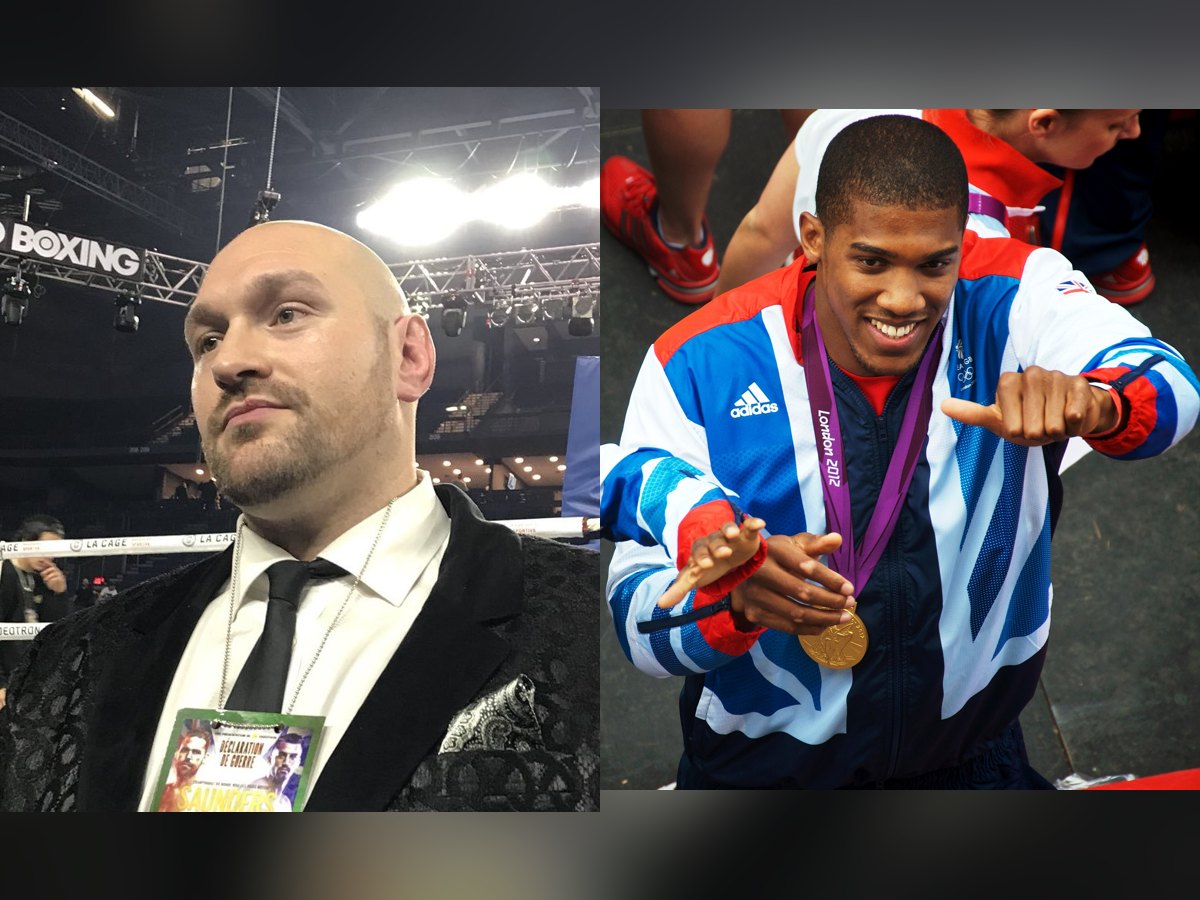
Tickets for Tyson Fury's long-awaited fight with Anthony Joshua at Cardiff's Principality Stadium sold out in just one hour on Friday, with more than half a million people queuing online.
Around 80,000 tickets went on sale at 12:00 BST. The most expensive cost £13,128 including booking fees, while the cheapest were £88.50.
Within minutes, more than 500,000 fans were in the virtual queue. Tickets soon appeared on resale websites, with ringside VIP seats advertised at £73,645 and upper-tier seats at £425.
A fight a decade in the making
Fury, 38, and Joshua, 36, are two of the biggest names in British boxing history, and both are former two-time world heavyweight champions. Yet despite years of negotiations, false starts and public sniping, they have never met in a professional fight.
The bill begins on 11 December, but the main event is not expected until the early hours of 12 December. Ring walks are expected at around 01:00 GMT, after a short live music performance, with the stadium staying open until 03:30.
The late start is designed to suit a global audience. The fight will be broadcast worldwide on Netflix.
Why Cardiff?
Wembley Stadium in London and Madison Square Garden in New York had been frontrunners, but both presented problems before Cardiff emerged as the venue.
The Principality Stadium has hosted late-night boxing before, notably Joe Calzaghe's victory over Mikkel Kessler in November 2007, which started at 01:00 GMT. Ricky Hatton's famous win over Kostya Tszyu in Manchester in 2005 began at about 02:00 local time for US television.
Saudi money and a UFC boss
The event is promoted as a collaboration between Turki Alalshikh, the Saudi powerbroker whose money has reshaped boxing in recent years through The Ring, and UFC chief Dana White.
Just 11 days ago, there was doubt over whether the fight would happen at all, because of a dispute over White's role. Netflix confirmed that The Ring and White would work together to promote the event. Joshua later reassured fans the fight was on.
No undercard bouts have yet been confirmed.
Two careers at a crossroads
Joshua won Olympic gold at London 2012 and went on to unify heavyweight titles. Fury, the self-styled Gypsy King, shocked the world by beating Wladimir Klitschko in 2015 and later reigned as WBC champion.
Both men have suffered defeats to Oleksandr Usyk in recent years, and Joshua was also knocked out by Daniel Dubois at Wembley in 2024. That has added an edge to the contest: for each, victory would mean bragging rights over his great domestic rival and perhaps a final shot at the top of the division.
Critics say the fight is happening years too late, when both men are past their peak. The sales figures suggest fans do not care.
Both camps have spent years trading insults across social media and press conferences, and the build-up to December is expected to be every bit as loud. Fury has repeatedly claimed he would knock Joshua out; Joshua has insisted that he is the more disciplined fighter.
Promoters will hope the fight becomes one of the most-watched boxing events ever streamed, extending Netflix's push into live sport after its broadcasts of major bouts in recent years.
Price row
The cost of the top tickets is likely to fuel debate about the price of elite sport. Even the cheapest seats are beyond the budget of many fans, and resale prices far exceed face value.
Cardiff's hotels and businesses are expected to benefit from tens of thousands of visitors, and Welsh officials have welcomed the chance to host one of the biggest events in the sport's recent history.
For now, though, the numbers speak for themselves: a stadium sold out in an hour for a fight that British boxing has waited the best part of a decade to see.