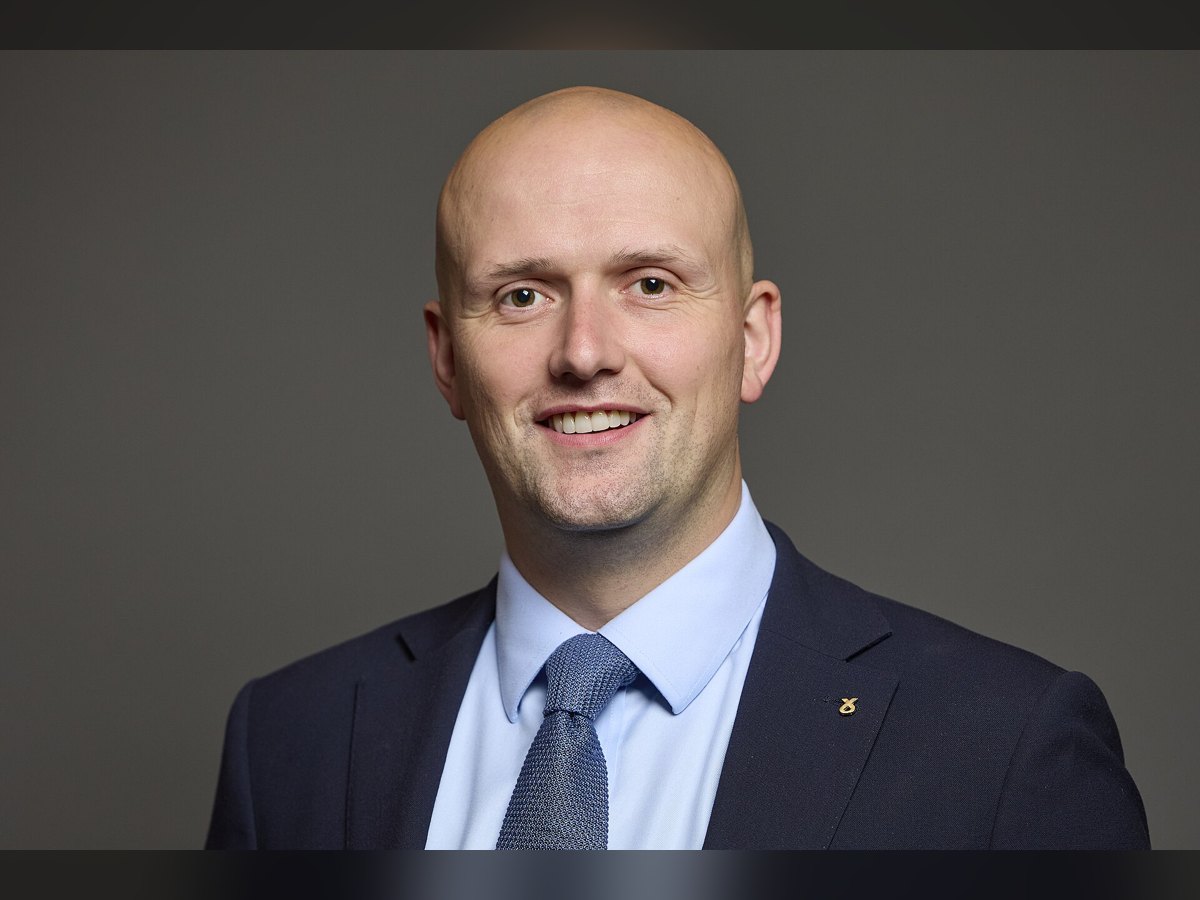
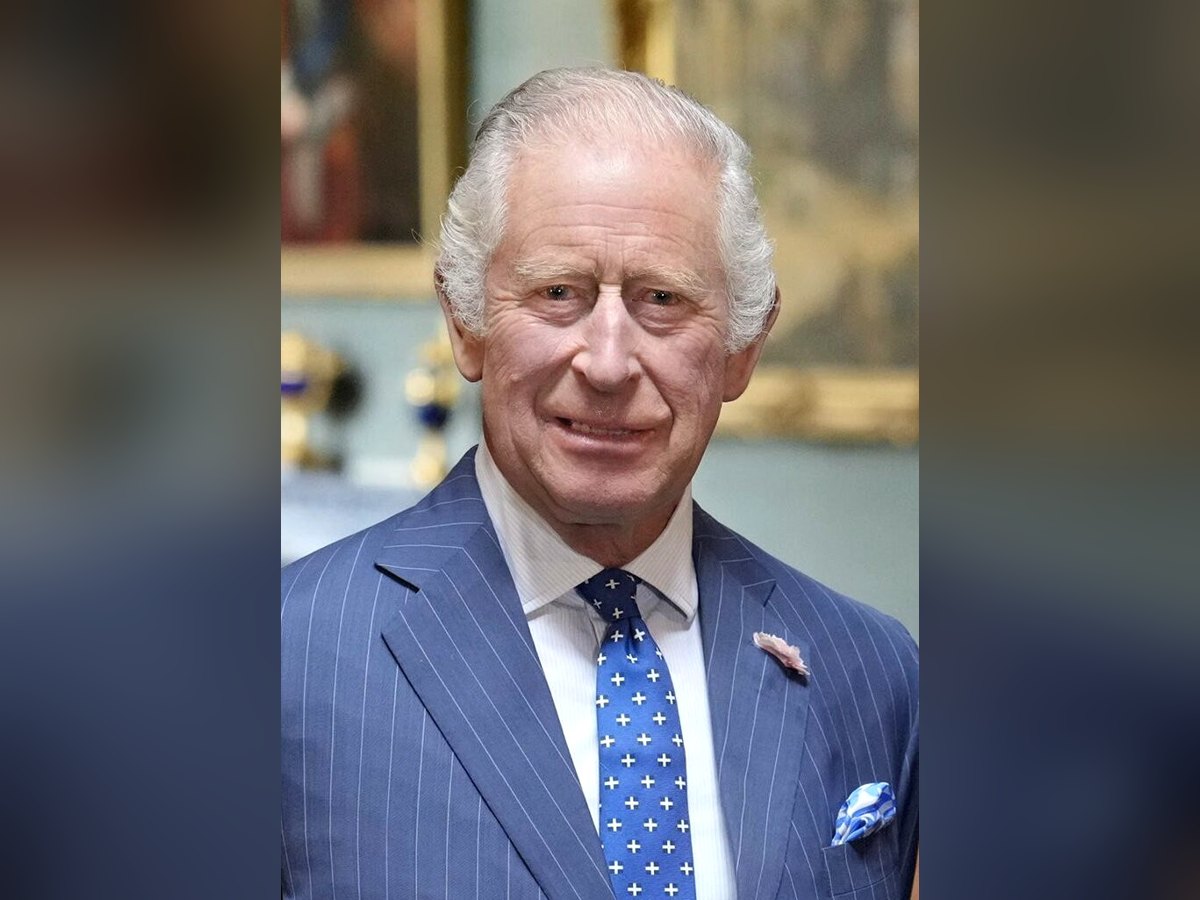
King Charles has paid a £1.5m bill owed by his brother, Andrew Mountbatten-Windsor, for the poor condition of his former home at Royal Lodge in Windsor.
The money is understood to have come from the King's private income. It covers what Mr Mountbatten-Windsor owed his former landlord, the Crown Estate, on giving up the lease.
The total penalty for "dilapidations" at the 30-room mansion was £1.8m. That was reduced by about £300,000, the sum Mr Mountbatten-Windsor would have been entitled to for surrendering his lease early.
The Crown Estate said it had not given any money to Mr Mountbatten-Windsor at the end of the lease, and had now received the net £1.5m it was owed.
Why the bill arose
Mr Mountbatten-Windsor took on a 75-year lease of Royal Lodge in 2003. He made large up-front payments, including about £7.5m for repairs, which meant he paid no monthly rent.
Under the terms of the deal, if he gave up the lease within its first 25 years he was entitled to compensation, with the amount falling each year. Leaving in October 2026 would have meant a payment of about £302,000.
But that sum was dwarfed by the cost of repairing the building. Dilapidations are charges a tenant must pay when a property is returned in worse condition than required by the lease.
It is understood the King stepped in to make sure the Crown Estate — whose profits go to the Treasury — was not left out of pocket.
A dramatic year
Mr Mountbatten-Windsor left Royal Lodge in February, in the middle of a storm of revelations about his links to the late US sex offender Jeffrey Epstein. He has consistently denied any wrongdoing in relation to Epstein.
He moved to the Sandringham estate in Norfolk, where the King has been using his own money to fund his brother's accommodation and upkeep.
Later in February Mr Mountbatten-Windsor was arrested on suspicion of misconduct in public office. A court ruling on Thursday found fault with the search warrants used by police in that investigation. He has not been charged.
Although he moved out early in the year, his lease on Royal Lodge formally ran until October. With its conclusion, the Crown Estate has now set out the terms on which it ended.
Questions left unanswered
Whether Mr Mountbatten-Windsor will repay his brother is said to be a private matter. No details have been given about what the arrangement says about his personal finances.
There has also been no comment on how the King feels about covering the bill, which comes on top of the cost of housing his brother at Sandringham.
The payment is likely to reignite debate about the finances of the wider Royal Family and the relationship between royal residences and the Crown Estate, which manages land and property on behalf of the nation.
Royal Lodge, a Grade II-listed house in Windsor Great Park, was once the home of the late Queen Mother. Its future use has not been announced.
For the King, the move resolves a potentially embarrassing dispute between his brother and a public body. For critics, it raises fresh questions about how much private royal money continues to be spent on a man who no longer carries out public duties.
The Crown Estate is an independent commercial body that manages property owned by the monarch in right of the Crown. It is not the King's private property, and its profits are paid to the Treasury, with a share returned to fund the monarchy through the Sovereign Grant.
That is why any shortfall in what it is owed matters to taxpayers, and why the payment from the King's own income has been presented as protecting the public purse.
The episode closes one chapter in a turbulent year for Mr Mountbatten-Windsor, whose title, home and public role have all been stripped away amid the Epstein revelations.