
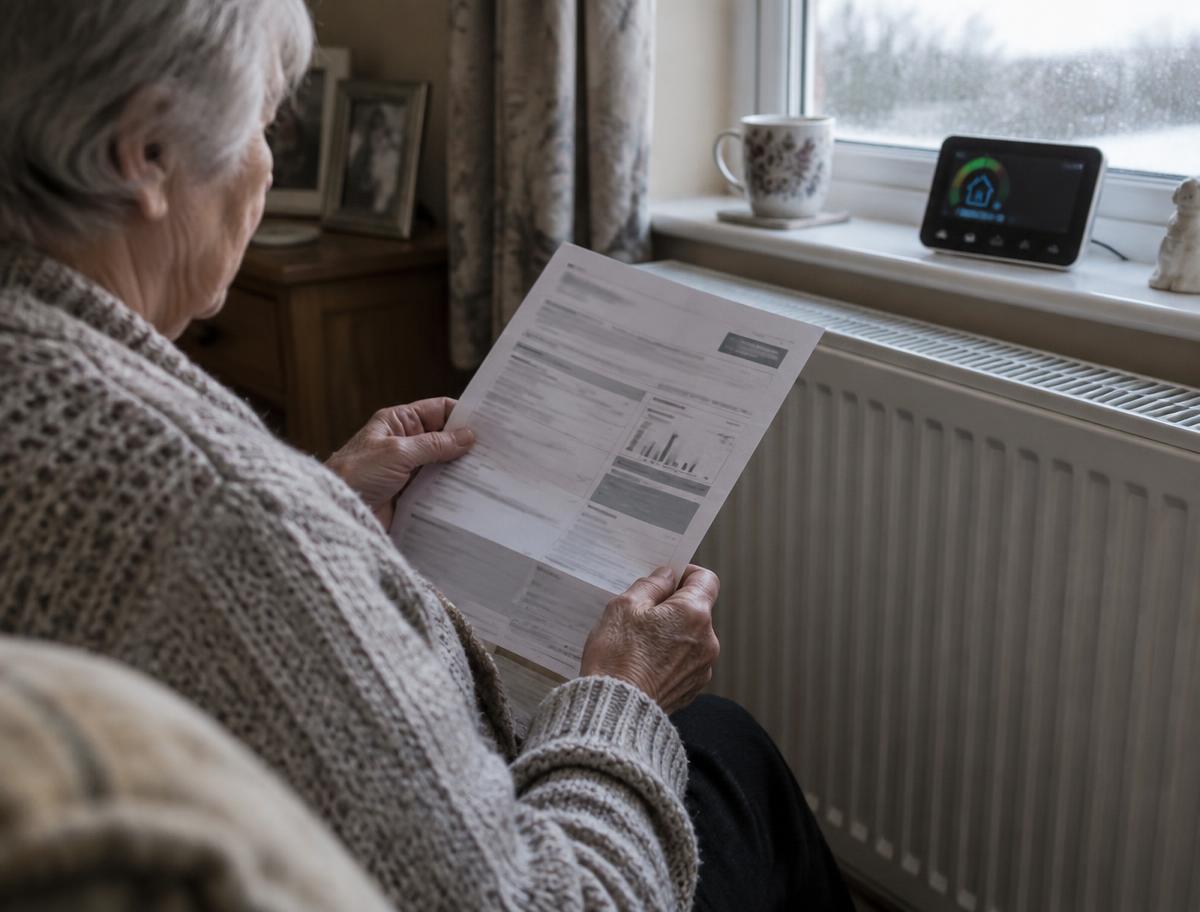
The Chancellor is planning a major intervention to cut energy bills for poorer households in this month's budget, after ministers were alarmed by forecasts showing bills rising by hundreds of pounds in January.
John Healey is working on plans to spend more than £1bn helping energy consumers, with most of the money expected to go towards increasing the discount given to households on certain benefits.
Sources stress that final decisions have not been made. But the move would mark a significant change of course for a government that had insisted earlier support would be the last this year.
A row inside government
Healey is expected to turn down a call from the Energy Secretary, Miatta Fahnbulleh, to spend billions more removing levies from household bills altogether. Those levies fund renewable energy and efficiency schemes and are paid by all customers through their bills.
Moving them onto general taxation would lower bills for every household but would cost the Treasury far more than a targeted discount. The Chancellor's preference for help aimed at lower-income families reflects his tight fiscal position.
Energy officials are also working on more radical changes that could follow the budget. Rather than subsidising bills, these would alter how much energy companies are allowed to charge customers.
Why bills are rising
Forecasts point to a substantial increase in the energy price cap in January, driven by turbulence in international energy markets. Ministers fear that the rise would wipe out the benefit of the VAT cut on electricity bills which Andy Burnham announced shortly after becoming Prime Minister.
Government sources had previously said that VAT cut would be the final support offered this year. Concern about the impact of a winter price rise on struggling families appears to have changed that calculation.
A tight budget
The energy package would form a central part of a budget that government sources say will be low-key and focused on easing the cost of living.
The Chancellor faces a cash squeeze. He needs to find an additional £4.7bn for defence and to rebuild a fiscal buffer that has been eroded by higher government borrowing costs.
He is likely to raise taxes to fund the extra spending, and is rumoured to be considering higher taxes on banks in particular. Any such move would be closely watched by the City and by opposition parties, who argue that tax rises risk choking growth.
Who would benefit
Increasing the existing discount for households on qualifying benefits would put money directly towards the families most exposed to price rises, including pensioners on low incomes, disabled people and working families on universal credit.
The existing warm home discount gives eligible households £150 off their bills each winter and is funded through charges on all energy customers. Paying for a larger discount from Treasury funds would mean the extra cost falls on taxpayers rather than on other bill payers.
Critics say households just above the threshold, who do not qualify for help but also struggle with bills, would bear the brunt of January's increase. Campaigners have long called for a permanent social tariff offering lower prices to vulnerable customers, an idea that would require new data-sharing between government and suppliers.
The politics
Energy bills remain one of the most sensitive issues for voters, and the government is under pressure from both opposition parties and its own backbenches to show it is acting on living costs.
The Conservatives, closing their conference in Birmingham, are pitching tax cuts as the answer to stagnant living standards. Labour argues that targeted help and reform of the energy market offer a more responsible route.
For households facing another expensive winter, the detail will matter more than the politics. The budget later this month will reveal how much help arrives, who receives it and whether the more ambitious changes to how energy is priced are ready to follow.