
A Tennessee death row prisoner who survived two lethal injections last week is now conscious and speaking, her lawyers have said, in a case that has no known precedent in the history of the American death penalty.
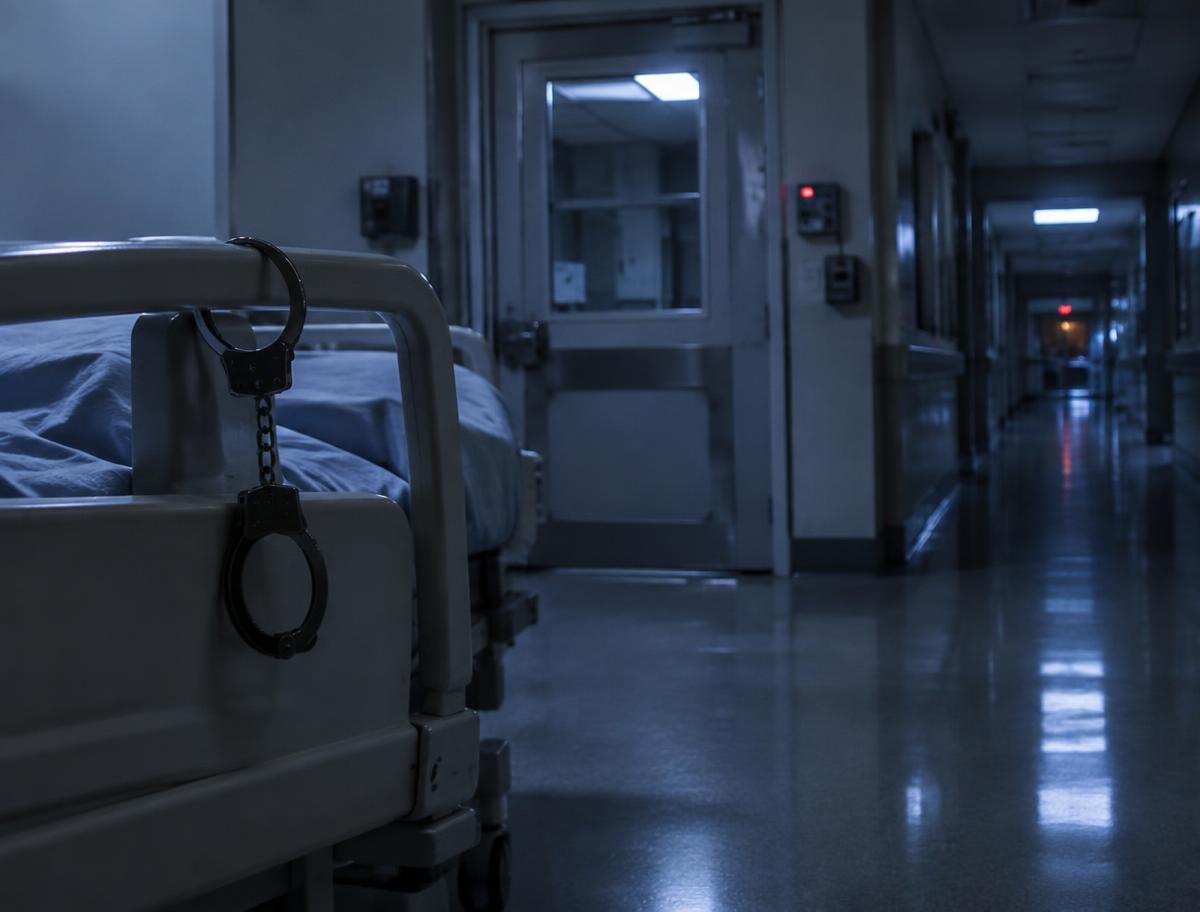
Christa Pike, 50, remains in hospital in Nashville receiving critical care. Her attorneys said she is still handcuffed and shackled to her bed despite severe injuries to her arms.
'Against all odds, Christa Pike is conscious, speaking, and continues to receive critical medical care,' lawyers Randy Spivey and Kelly Gleason said in a statement. 'Her recovery is medically unprecedented. Her prognosis remains unclear but, at a minimum, we expect a long recovery.'
What happened in the execution chamber
Prison officials attempted to execute Pike on 30 September using pentobarbital. When two doses failed to kill her, she was taken to hospital and placed on a ventilator while medical staff worked to clear the drug from her system. Her lawyers had earlier described her arms as 'swollen, burned and blistered'.
Authorities have not explained what went wrong, nor said whether the state will attempt to execute her again.
Dr Joel Zivot, an anaesthesiologist advising the defence team, said the doses she received would have been enough to kill her had the drug entered her bloodstream normally. He suggested that it may instead have gone into surrounding tissue.
Deborah Denno, a criminologist and professor at Fordham Law School, said she was 'absolutely astonished'. She said there had been seven earlier cases in which prisoners survived scheduled executions, but in each of those executioners had been unable to inject anything into a vein.
'They did everything they were supposed to do as part of the execution process, and it simply didn't work,' she said. Pike's lawyers say she is the only person known to have survived a completed execution attempt in the United States.
The crime
Pike was 18 when she and her then-boyfriend, Tadaryl Shipp, beat, tortured and killed 19-year-old Colleen Slemmer in 1995. The three had met at a job training programme for troubled young people in Knoxville. Pike was convicted and sentenced to death in 1996.
For Slemmer's family, the case has been a source of pain for more than three decades. Supporters of capital punishment argue that the gravity of the crime has never been in question and that the sentence was lawfully imposed.
Had the execution succeeded, Pike would have been the first woman executed in Tennessee in around 200 years.
Political fallout
Tennessee Governor Bill Lee has suspended all executions for the rest of the year and ordered an independent review. The state's head of prisons has said he plans to resign.
The case has reopened a fierce national argument over lethal injection. Opponents say it shows the method cannot be carried out reliably or humanely. Supporters say procedures need review, not abolition, and point to the rights of victims' families to see sentences carried out.
Pentobarbital, a barbiturate, is used by several US states in single-drug execution protocols, partly because pharmaceutical companies have restricted the supply of other drugs for executions. Defence lawyers have long argued that difficulties in finding veins and administering the drugs make lethal injection unpredictable, a concern the Pike case has now thrust back into the spotlight.
Questions are also being asked about the legal position of a prisoner who has survived an execution. US courts have ruled in the past that a failed execution does not automatically bar a second attempt, but those cases involved very different circumstances.
What comes next
Pike's legal team said it would hold a news conference on Wednesday. They thanked medical staff who, they said, had 'treated Christa like a human', and the thousands of people around the world who had sent messages of support.
Whatever the state decides, the case is likely to become a reference point in the debate over capital punishment in America, a country where executions have continued even as the number of states using them has fallen.