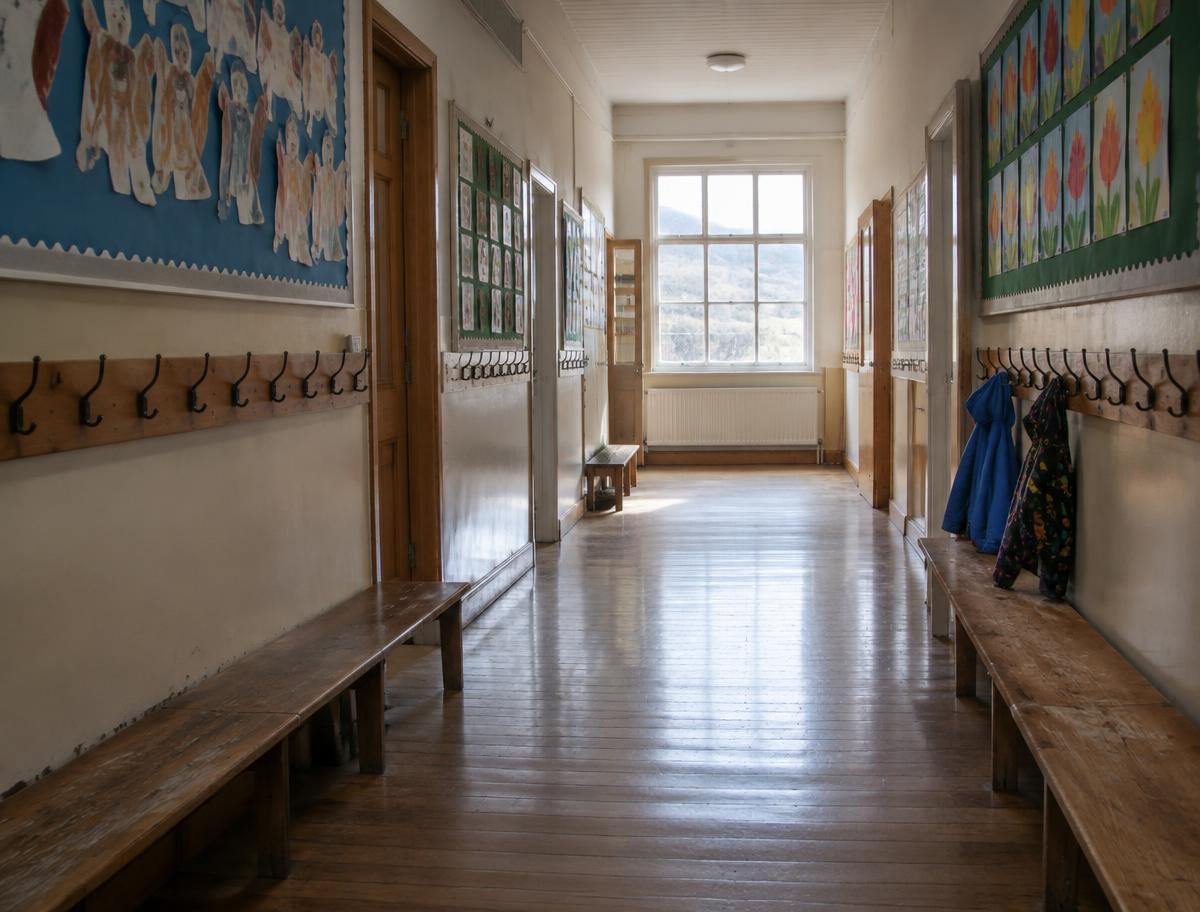
Concerns have been raised after figures showed that a number of schools in Aberdeenshire, including some in Huntly and Banff, have not received a full inspection for as long as 17 years.
The figures, which cover schools across the local authority area, have alarmed parents and some councillors, who say the length of time between inspections makes it harder to know whether standards of teaching and pupil support are being properly maintained.
Education Scotland, the body responsible for inspecting schools, carries out a mixture of full inspections and shorter engagement visits, but critics argue that a gap of close to two decades between full inspections at some schools leaves a significant blind spot in oversight of the system.
Years without scrutiny
According to the figures, some schools in the Huntly and Banff areas have not had a full inspection since the late 2000s, meaning an entire generation of pupils has passed through those schools without the kind of detailed external scrutiny that inspections are designed to provide.
Local parents have questioned how councils and national agencies can be confident standards are being maintained when schools go so long without independent assessment, particularly at a time when concerns about attainment and support for additional needs are a regular feature of debate in Scottish education.
Aberdeenshire Council has previously pointed to other mechanisms of oversight, including its own internal quality assurance processes and closer links between headteachers and local authority education officers, as evidence that schools are not simply left unchecked between formal inspections.
A national pattern
The concerns in Aberdeenshire echo a wider debate about the frequency of school inspections across Scotland. Education Scotland has in recent years moved towards a model that relies more heavily on self-evaluation by schools and thematic reviews, rather than a strict rolling cycle of full inspections for every school.
Teaching unions have mixed views on this shift. Some argue that lighter-touch inspection reduces unnecessary pressure and bureaucracy on schools already stretched thin by staffing shortages and rising workloads. Others worry that reduced inspection frequency makes it harder to identify schools that are struggling before problems become entrenched.
The issue comes against a backdrop of continued scrutiny of the attainment gap between pupils from wealthier and poorer backgrounds in Scotland, a gap successive governments have pledged to close but which campaigners say remains stubbornly wide in many areas.
Council response
Aberdeenshire Council has said it takes seriously its responsibility for monitoring standards in schools, and stressed that an absence of a full external inspection does not mean a school is not being monitored.
Officials point to regular reviews carried out by council education staff, performance data on attainment and attendance, and feedback mechanisms involving parents and pupils as part of a broader system of accountability that operates alongside, rather than instead of, external inspection.
Nonetheless, some elected members have said they will seek assurances from council officers about the schedule for inspections going forward, and have called for greater transparency about how decisions are made on which schools are prioritised for visits.
Context: pressures on the system
The debate comes at a time of considerable strain across Scottish education. Teaching unions have warned repeatedly in recent weeks about a shortage of specialist secondary teachers, with the Scottish Secondary Teachers' Association this week calling for a planned Curriculum Improvement Cycle to be delayed until measures to reduce teachers' class contact time have been delivered.
Separately, the Scottish Government has continued to invest in leadership training for headteachers, recently confirming further funding for the Head Teachers' Leadership Academies run by Columba 1400, which has already supported more than 2,000 school leaders since it began.
Education Secretary Màiri McAllan has pointed to such investment as part of a wider effort to support school leaders and, by extension, improve outcomes for pupils, alongside rising attainment figures and a narrowing of the poverty-related attainment gap reported in this year's exam results.
What happens next
For families in Huntly, Banff and other affected areas, the immediate question is whether the revelation prompts any change in the inspection timetable for their local schools. Education Scotland has not set out a specific response to the Aberdeenshire figures, but the wider debate about inspection frequency is likely to continue at Holyrood.
The Scottish Parliament's Education and Gaelic Committee has already been examining related issues this autumn, including the pace of curriculum reform and concerns from local authorities about resourcing. Campaigners say the inspection gap in Aberdeenshire adds a further dimension to that scrutiny, and are likely to press for clearer answers on when the affected schools can expect a visit.
In the meantime, parents in the affected communities say they will continue to rely on direct engagement with teachers and headteachers to satisfy themselves that their children are receiving the support and quality of education they are entitled to, while hoping that wider pressure leads to a firmer commitment on the timing of future inspections.