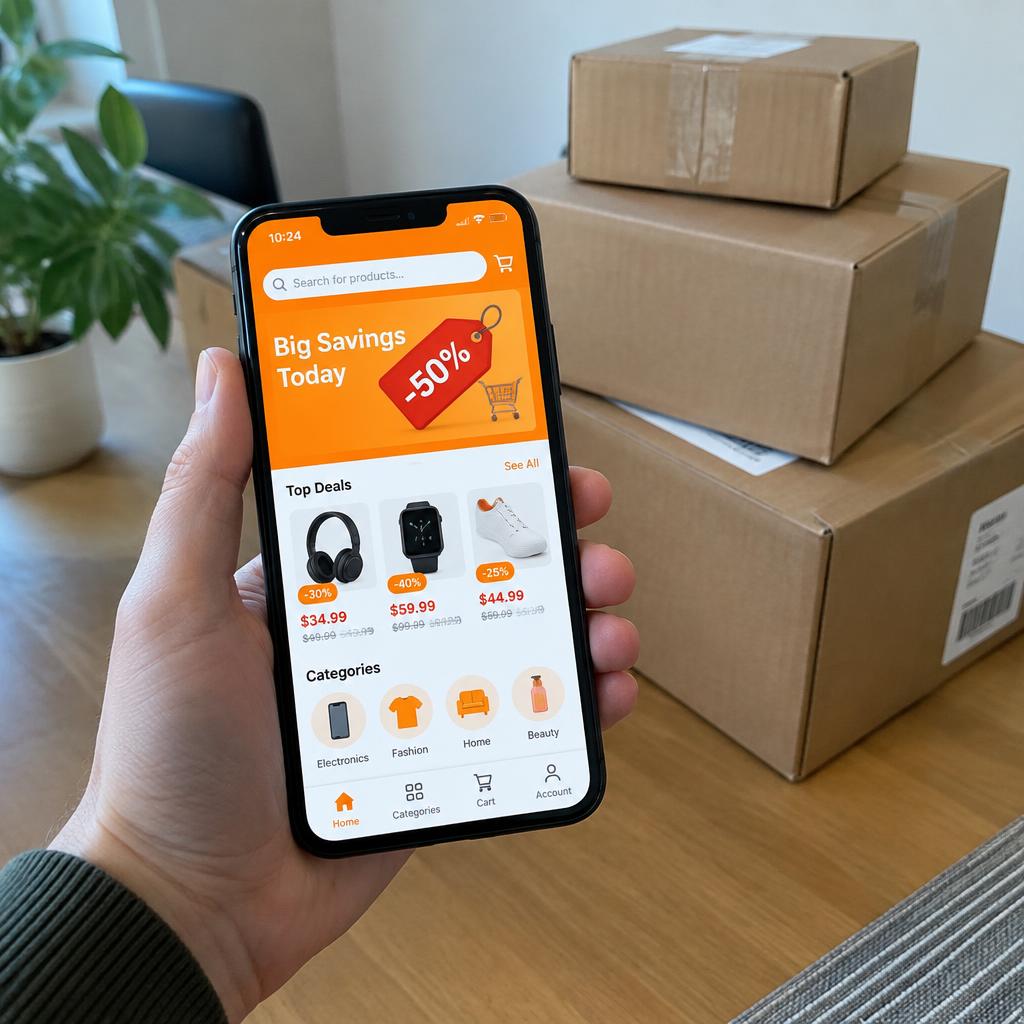
Chinese-owned online retailer Temu has agreed to curbs on how it collects and handles the personal data of American users to settle a lawsuit brought by the state of Texas, in one of the most significant legal actions yet against the fast-growing shopping platform.
Texas had accused the company of harvesting far more information from users' phones than its business required, including allegations that its app could access data unrelated to shopping. Temu, which is owned by the Chinese e-commerce group PDD Holdings, did not admit wrongdoing as part of the settlement but agreed to binding limits on its data practices.
The case is the latest front in a widening American campaign against Chinese-owned digital platforms, following years of battles over TikTok and growing congressional scrutiny of apps that route the personal data of tens of millions of Americans through companies subject to Chinese law.
What Texas alleged
The lawsuit, filed under Texas consumer protection and data privacy law, alleged that Temu's app engaged in deceptive practices about the scope of its data collection. State lawyers argued that the volume of information gathered — potentially including precise location, contacts and device data — went well beyond what a shopping application could justify.
Temu has consistently denied misusing customer data and says it stores American user information on servers in the United States. But the company's privacy disclosures have drawn scepticism from security researchers, who have noted the sheer breadth of permissions its app requests.
Under the settlement, the company has agreed to restrict certain categories of data collection, improve the transparency of its privacy disclosures and submit to oversight of its compliance. Financial terms were not fully disclosed.
A pattern of pressure
The Texas action does not stand alone. Several other states have examined Temu's data practices, and the company faces consumer litigation in federal court. In Europe, regulators have opened their own investigations under the Digital Services Act into the platform's systems for tackling illegal products and its use of addictive design features.
The political context matters. Relations between Washington and Beijing remain strained over trade, technology and Taiwan, and Chinese-owned consumer apps have become a favoured target for politicians of both parties seeking to demonstrate toughness on China.
For Temu, the stakes are commercial as much as legal. The company has spent billions of dollars on advertising to build its American customer base, becoming one of the most downloaded shopping apps in the country. Anything that damages consumer trust — or invites restrictions on its operations — threatens that investment.
The wider reckoning
Privacy campaigners say the settlement illustrates a broader problem: that the business model of ultra-cheap online retail is underwritten by data. Low prices, aggressive personalised marketing and gamified shopping all depend on knowing as much as possible about the customer.
"The question regulators are finally asking is whether the data being collected has any relationship to the service being provided," said one US privacy lawyer. "Increasingly, the answer they are reaching is no."
For the tens of millions of shoppers who have made Temu a fixture of American e-commerce, the settlement will change little overnight. But it marks a clear signal from state capitals that the era of unchecked data collection by foreign-owned platforms is coming to an end.
Legal experts say the Texas settlement could become a template for other states considering similar action, lowering the barrier to enforcement by establishing a precedent that consumer protection law can reach the data practices of foreign-owned platforms. Several state attorneys general are already known to be examining the sector. For the retail industry more broadly, the case is being read as a warning that the regulatory climate for data-driven commerce has shifted decisively — and that size and speed of growth offer no protection from scrutiny.