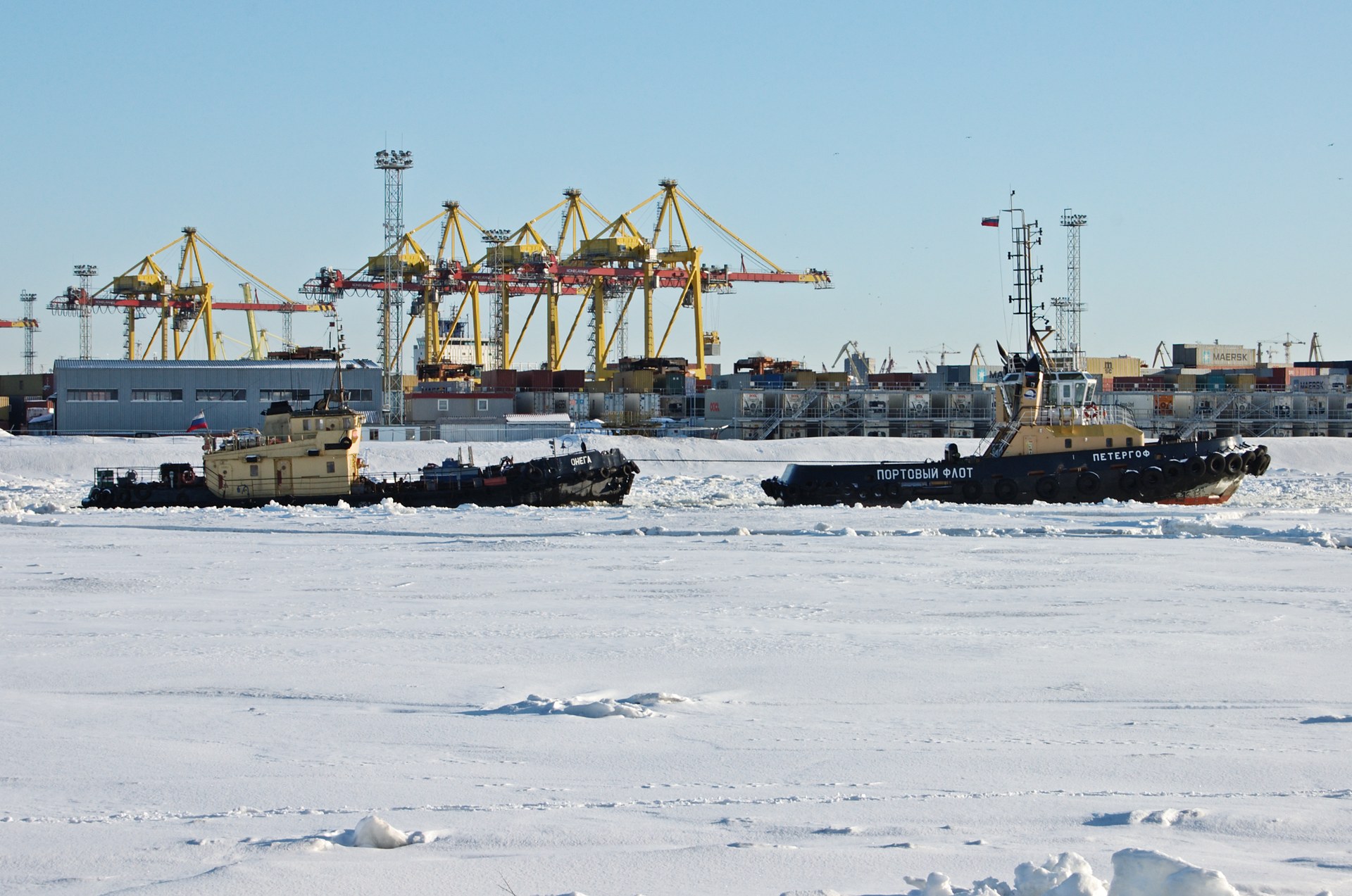
At least one person has been killed and five injured in an overnight drone attack that hit two oil facilities in St Petersburg, according to Russian regional officials, as strikes on energy infrastructure intensified amid a dispute over a proposed pause in such attacks.
Governor Alexander Beglov said fires were being extinguished at the St Petersburg Oil Terminal and the Ruchyi oil depot on Sunday. A logistics centre operated by Ozon and a regional data centre belonging to the social network VK were also targeted, the companies confirmed.
Kyiv had not commented on the strikes in the BBC reporting available on Sunday. Russia’s defence ministry said it had shot down more than 1,000 Ukrainian drones over Russian territory overnight. That nationwide official claim is not an independently verified count, nor does it mean that all the drones were directed at St Petersburg.
Homes damaged and airport disrupted
Beglov said 12 apartment buildings and two houses were damaged in the attacks on the city. Pulkovo Airport was temporarily closed, and the governor warned that mobile internet services could be disrupted. The reports did not provide a final assessment of the damage or establish how long every affected facility would remain out of operation.
Ozon said a drone strike caused a fire at its local logistics centre. Staff were evacuated and no one was injured there, the company said. It added that the location was not accepting shipments from sellers because it was being used for other operational purposes.
VK confirmed that a drone targeted its regional data centre but said services remained available as usual after users reported early-morning outages. The company’s statement and users’ reports describe different perspectives on service availability; they do not establish the full extent or cause of every reported interruption.
St Petersburg has been targeted before, with its oil terminal previously hit in July, the BBC reported. Regions nearer Ukraine face attacks more frequently, making Sunday’s incidents notable for their reach as well as the range of energy, logistics and digital infrastructure involved.
Energy-truce dispute
The attack comes after Donald Trump announced an energy ceasefire last week. Ukraine paused strikes on Russian oil facilities for three days following the announcement but accused Moscow of continuing attacks on Ukrainian energy infrastructure. Kyiv resumed its strikes earlier this week.
Ukrainian President Volodymyr Zelensky said on Saturday that Russia had targeted his country’s energy sector 76 times since the declaration. That is a Ukrainian official account. The available reporting does not establish a jointly accepted definition of the ceasefire, its coverage or a common system for determining violations.
Trump criticised the renewed Ukrainian attacks and sought a truce to facilitate an agreement with Vladimir Putin involving Russian diesel supplies. Relations between Washington and Kyiv have deteriorated over the arrangement, which the United States pursued amid sharply higher energy prices during the war involving Iran.
Zelensky argued that importing Russian diesel amounted to investing in Moscow’s war effort. Washington’s temporary suspension of further sanctions against Russia has also drawn criticism from some Republicans. Those policy arguments provide context for the attacks but do not establish a specific motive for each target hit overnight.
Civilians face another difficult winter
Russia and Ukraine have increasingly attacked one another’s energy infrastructure as the full-scale invasion continues in its fifth year. Ukraine says strikes on Russian oil assets are intended to restrict revenue supporting Moscow’s war. Russia says it targets facilities used by Ukraine’s military.
The consequences also reach civilians. The United Nations said on Friday that the first two weeks of October had been the deadliest for Ukrainian civilians in years. Russian strikes have left hundreds of thousands without power, raising concern about households entering another cold winter with damaged energy systems.
Zelensky said tens of thousands were still without electricity on Saturday and reported nearly 2,700 drones, 1,700 aerial bombs and 66 missiles launched by Russia during the preceding week. Those figures remain attributed to Ukrainian authorities. In St Petersburg, the immediate priorities are extinguishing fires, assessing damage and assisting those affected; the available accounts do not yet establish lasting effects on Russia’s fuel supply.