An 80-year-old man who died alongside a teenage boy in a light-aircraft crash near Loch Lomond is understood to be flying instructor Ian Haggis, as former students paid tribute to an experienced aviator and friend.
BBC Scotland and STV News identified the instructor on Sunday after the aircraft came down north-east of Drymen on Friday afternoon. A 16-year-old boy also died. His identity had not been released in the reporting available on Sunday, and the circumstances of the flight remain under investigation.
Emergency services were called at about 16:45 on Friday. Both people were pronounced dead at the scene. The Air Accidents Investigation Branch is investigating, while police have maintained restrictions around the crash site. No cause has been established, and neither the instructor’s experience nor the flight’s route explains why the aircraft came down.
Former students remember experienced aviator
Tributes posted on social media described Haggis as a gentleman, an experienced aviator and a good friend. Previous posts by Leading Edge Flight Training referred to him by the nickname ‘Flying Haggis’ and showed that he had worked with the flying school, BBC Scotland reported.
The aircraft involved was a Piper Tomahawk II registered to Leading Edge Flight Training in Renfrew, according to the Civil Aviation Authority’s aircraft register cited by the BBC. Registration identifies the aircraft’s recorded connection to the company; it is not a finding about responsibility for the accident or the precise arrangement under which the flight took place.
BBC Scotland said it had approached the flying school for comment. The public accounts available on Sunday did not establish whether the final flight was a lesson, what tasks were being undertaken or the role of each occupant. The teenager’s presence should not be treated as evidence of any particular stage of training.
Final flight lasted about 20 minutes
The pair departed Glasgow Airport at 16:17 on Friday. The aircraft stopped transmitting at 16:37, a few miles north-east of Drymen near Stirling, according to the flight information reported by BBC Scotland and STV. Emergency services were alerted around eight minutes later.
The BBC also traced earlier movements that day. The aircraft had taken off from Cumbernauld Airport at 11:46 and flown for about 15 minutes to Glasgow. It remained there until around 13:00 before making a roughly two-hour flight north-east towards Newport-on-Tay and returning to Glasgow.
After spending just over an hour on the ground at Glasgow, it took off again on what became its final flight. Those movements provide a chronology for investigators and the public, but flight-tracking information alone cannot establish the circumstances in the cockpit, the aircraft’s condition or the sequence leading to impact.
Gavin Birch-Williams, Glasgow Airport’s managing director, expressed sympathy for those affected. He said the airport was aware of an incident involving a light aircraft that had departed from Glasgow, describing it as deeply tragic and extending the thoughts of staff to the friends and families involved.
Restrictions protect investigation area
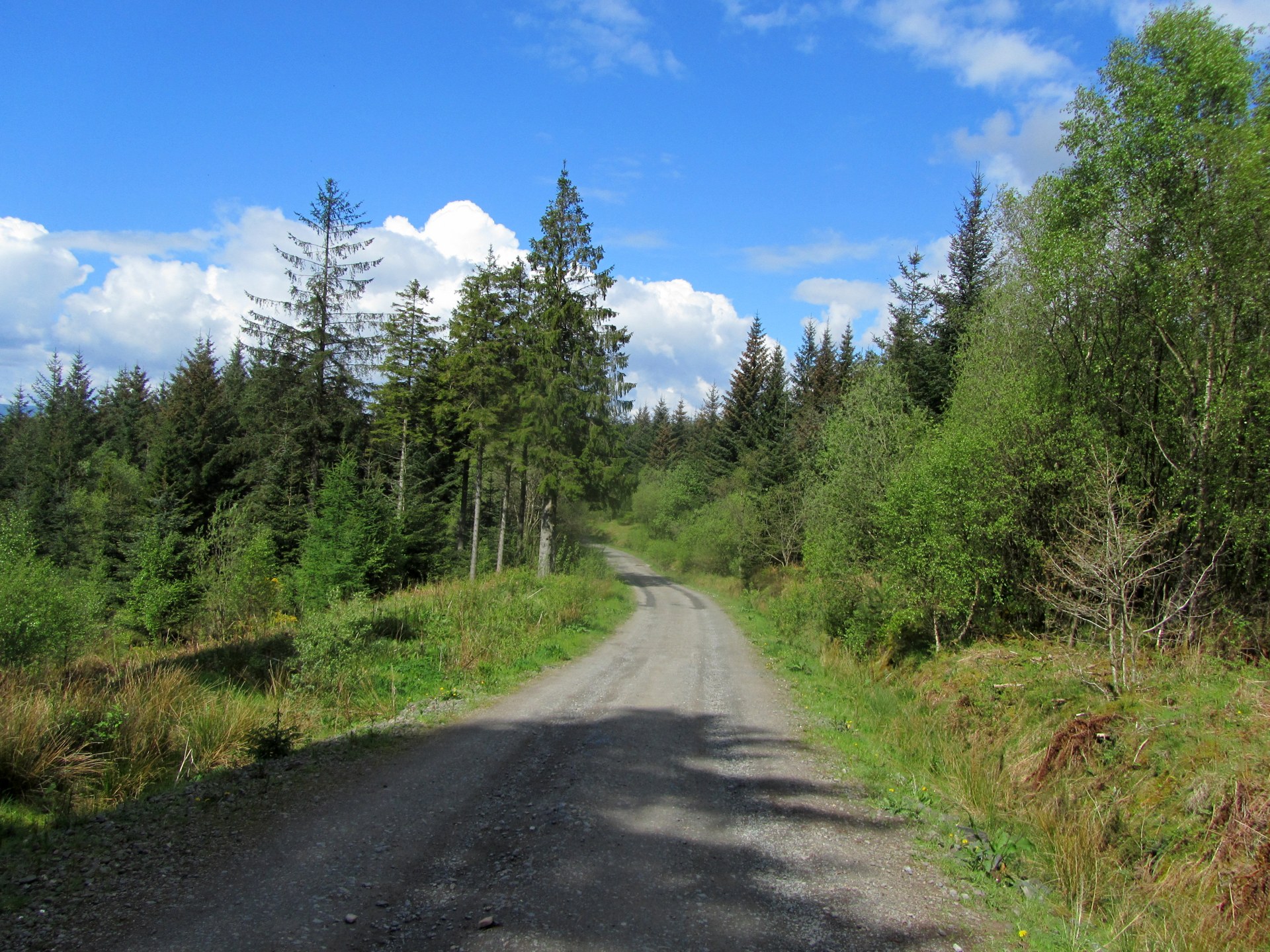
Police remained near Old Drymen Road into Saturday afternoon, STV reported, with a gate leading towards the hill where the crash was believed to have happened cordoned off. BBC Scotland said a nearby road remained closed on Sunday, with vehicles turned around and hillwalkers redirected away from the area.
Temporary airspace restrictions are also in force over the Drymen area, including restrictions on drones. Police Scotland warned that flying in restricted airspace is a criminal offence and said the measures were expected to remain in place for some time. The restrictions apply to members of the public as well as visitors hoping to obtain aerial pictures.
Sunday’s identification gives a name to one of the two people lost, while leaving important questions unanswered. The priority remains the investigation and support for the bereaved families. Any explanation of the crash must await evidence from the authorities rather than speculation based on the aircraft’s age, its route or the experience of those aboard.