Microsoft has withdrawn from an agreement connected to a major proposed AI datacentre in Essex after concerns over electricity supplies, dealing a setback to a development previously promoted by the government as a flagship British technology project.
The Loughton scheme is being developed by Nscale, which said it remained committed to the site and was examining alternative sources of power. Microsoft had been expected to act as an anchor tenant, making its departure a significant commercial change rather than confirmation that the entire development has been cancelled.
The Guardian reported on Sunday that Microsoft had informed Nscale it was ending its agreement. The withdrawal, first reported by the Telegraph, leaves the Essex site without a publicly announced customer. That does not establish that no other customer discussions exist, but it removes the one commitment that had been made public.
Flagship status meets infrastructure constraint
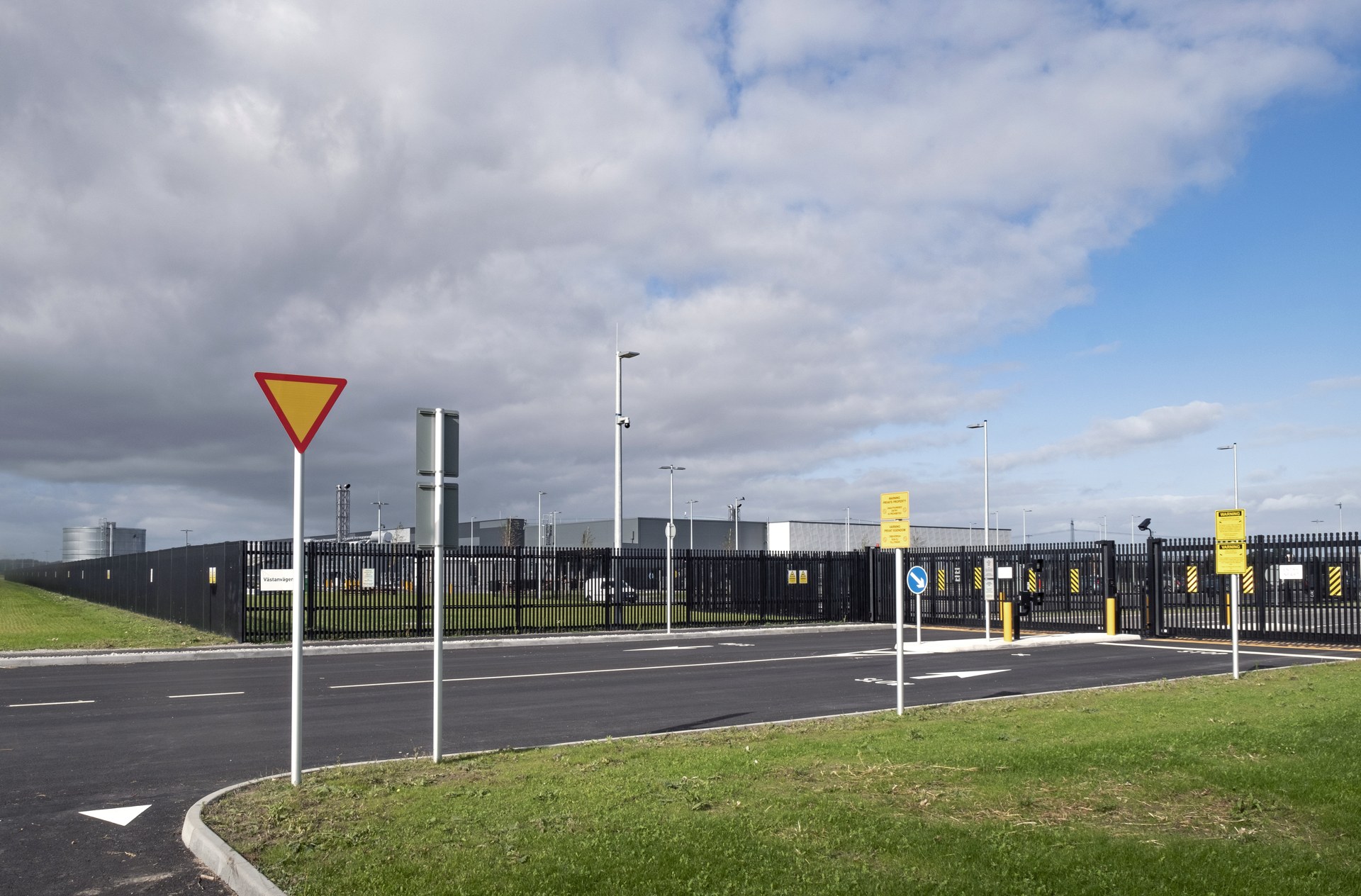
When the development was announced in 2025, ministers described it as the country’s largest sovereign AI datacentre. It was planned to open in 2027 at Loughton, placing the scheme among the projects presented as evidence of Britain’s ambitions in artificial intelligence infrastructure.
Datacentres provide the computing equipment that supports services including AI chatbots. Announcing a planned facility, however, is different from bringing it into operation: the equipment needs a reliable electricity supply as well as a completed site and customers prepared to use its capacity.
Doubts about Loughton predate Microsoft’s decision. In March, the Guardian reported that the location remained an operational scaffolding yard. Last month, further reporting indicated that power-supply problems would mean a lengthy wait before the development could come online.
The current setback therefore concerns the relationship between a commercial commitment and the physical infrastructure needed to fulfil it. Neither Sunday’s account nor Nscale’s statement supplied a revised opening date, a confirmed replacement power arrangement or the name of a new anchor customer for Loughton.
Nscale says other contracts unaffected
Nscale said its relationship with Microsoft remained strong and long term. A spokesperson described the power constraint as a London-wide grid issue and said it had no effect on the companies’ other contracts. The Guardian understands Microsoft remains involved in a separate Nscale project in Norway.
The distinction matters when assessing the scale of the withdrawal. It concerns the Loughton agreement, not a reported end to all cooperation between the two companies. Nscale’s assurances about the wider relationship do not, in turn, resolve the specific question of how the Essex site will obtain the power it needs.
The company said it was exploring alternative power sources for Loughton as well as other expansion sites in the UK. It reiterated a commitment to both the project and Britain, while leaving the eventual technical solution and its timetable unspecified in the public statement.
Nscale is backed by technology companies including Nvidia and has positioned itself as a British sovereign datacentre provider. That description forms part of its commercial strategy; the facility’s readiness must still be assessed through its development, electricity arrangements and customer commitments rather than the label alone.
Questions for Britain’s AI ambitions
The company has ambitions to float on Wall Street this year at a potential valuation of $35bn, around £26bn, according to the Guardian. The loss of an expected anchor tenant could complicate that ambition, but the report does not establish a new valuation or say that a flotation has been abandoned.
For the government, the withdrawal exposes a gap between promoting future computing capacity and securing the infrastructure that enables it. The Loughton project had been highlighted when Keir Starmer’s government announced its AI strategy in 2025. Its status now depends on Nscale’s ability to address the power problem and rebuild the publicly visible customer position.
Sunday’s development is consequently a setback with important unanswered questions, not evidence that Britain’s entire AI programme has stopped. The next material milestones will be a workable electricity arrangement, confirmed customers and a credible opening timetable. Until those are announced, the planned datacentre remains a proposal whose commercial foundations have changed.