At least 10 people have been killed and many more injured after two high-speed trains collided on the line between Madrid and Seville in central Spain, regional officials say.
The crash happened just after 09:00 local time (08:00 GMT) on Wednesday between the towns of Mora and Orgaz, near Urda in the province of Toledo, about 120km (75 miles) south of the Spanish capital.
Spain's state broadcaster RTVE reported that one high-speed train ran into the back of another, knocking at least two carriages off the track. Footage from the regional broadcaster Castilla-La Mancha Televisión showed a derailed train with at least one carriage still on an elevated section of line, and twisted metal, broken panels and wreckage strewn across the embankment below.
More than 540 people on board
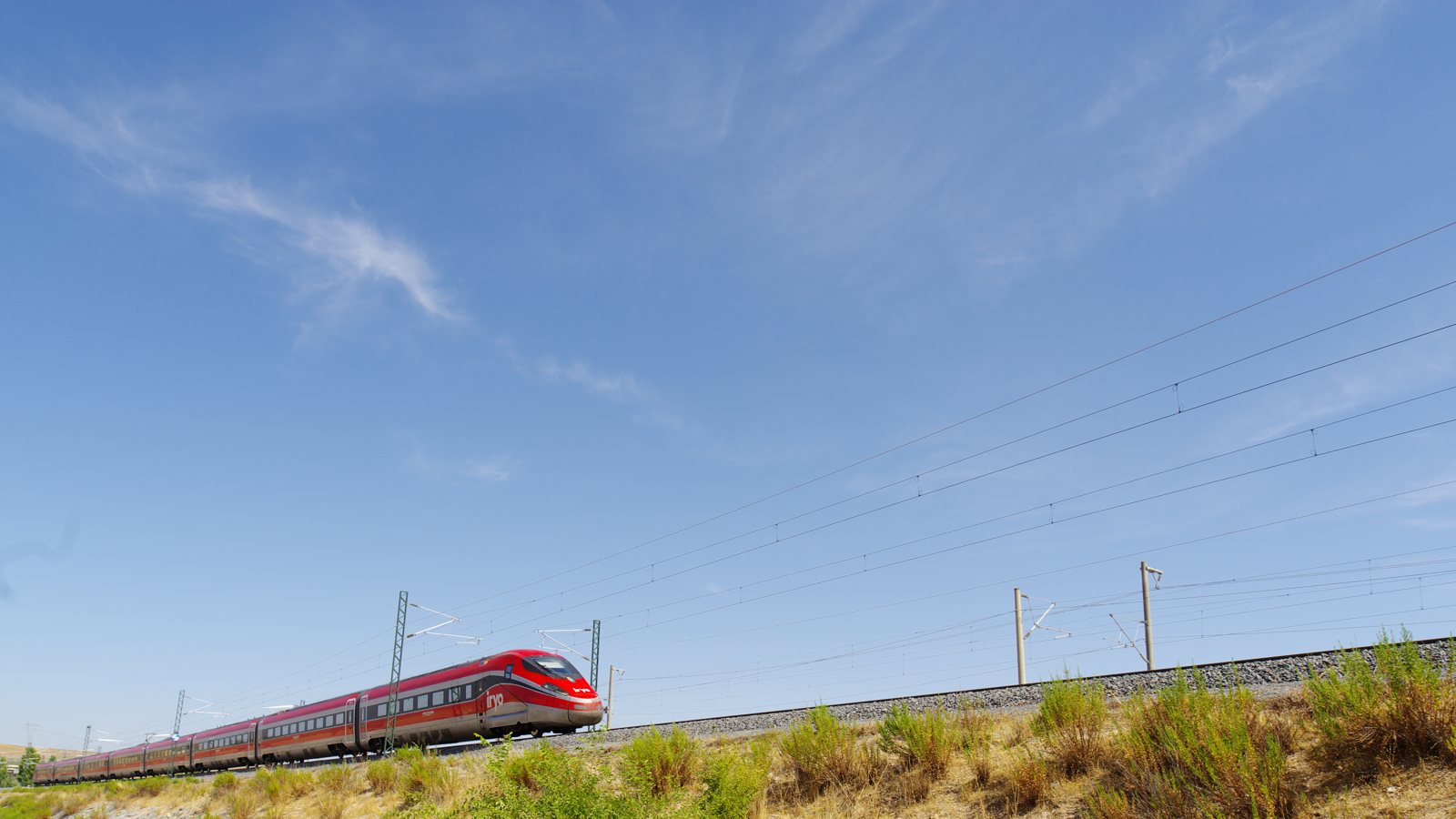
Esther Padilla, a spokesperson for the government of Castilla-La Mancha, said one train, run by the private operator Iryo, was carrying 146 passengers and a baby. The other, operated by the state-owned Renfe, had 397 passengers on board.
“The information we are receiving is not good at all,” she told local media. “The number of confirmed deaths, currently at 10, will almost certainly rise. The situation is going to worsen.”
Government sources told the newspaper El País that the crash could prove worse than the Adamuz disaster in January, in which 46 people died.
An emergency services spokesperson told the AFP news agency that “all resources are currently being deployed”, including several fire crews, three helicopters and two mobile intensive care units. The mayor of Urda, Manuel Galán, said he had been asked to prepare the town's sports hall to receive the injured.
Line closed
Adif, the state company that manages Spain's rail infrastructure, said services between Madrid and Andalucía had been suspended “following a rear-end collision between two trains”. The route is one of the busiest high-speed corridors in Europe, carrying millions of passengers a year between the capital, Córdoba, Seville and Málaga.
Neither Adif nor the two operators has given any explanation for how one train came to be on the same stretch of track as the other. Spanish high-speed lines use automatic signalling and train protection systems designed to keep trains apart and to brake them if a driver fails to respond.
Early reporting suggests the circumstances differ from those at Adamuz. There, a fracture in the track was blamed; at Urda, the focus is expected to fall on a possible failure of the safety systems that are supposed to stop trains coming too close together.
Political reaction
Prime Minister Pedro Sánchez said he was shocked by the “serious train accident in Toledo”. In a post on X he wrote: “I remain in constant contact with the minister of transport, and with the president of Castilla-La Mancha. Emergency services are working on the ground to assist those affected and ensure their safety, in coordination with all the involved administrations. My affection, solidarity and support to all the victims and their families.”
The leader of the opposition People's Party, Alberto Núñez Feijóo, said he was “very concerned”. “The priority now is to attend to the victims and support their families. My full support to the emergency teams working on the ground,” he wrote.
Spain is due to hold a general election next month, and the main parties suspended their campaign events for the day.
A second disaster in a year
For many Spaniards the crash brings back painful memories. In January, a high-speed train derailed near Adamuz in Andalucía and its rear carriages were struck by a Renfe train travelling in the opposite direction. It was the country's deadliest rail accident since 2013, when 80 people died after a train derailed on a bend near Santiago de Compostela.
Again, today's crash involves a Renfe train and one run by Iryo, the private operator that entered the Spanish market in 2022 after the high-speed network was opened to competition. The opening of the market has brought cheaper fares and more frequent services, but also more trains sharing the same lines.
Two serious crashes in one year are likely to raise fresh questions about safety on Spain's prized high-speed network, which is the longest in Europe. A full investigation into the cause is expected once the rescue operation is over.