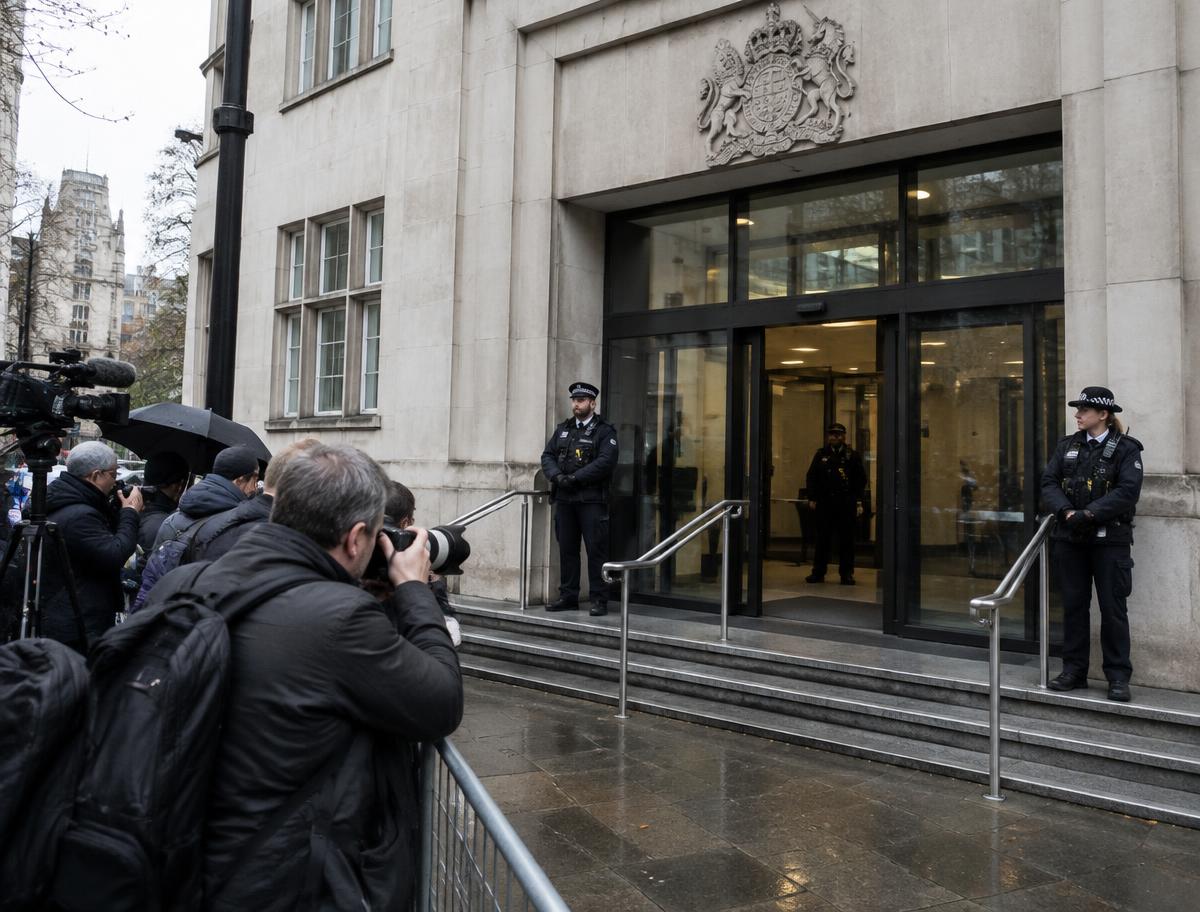
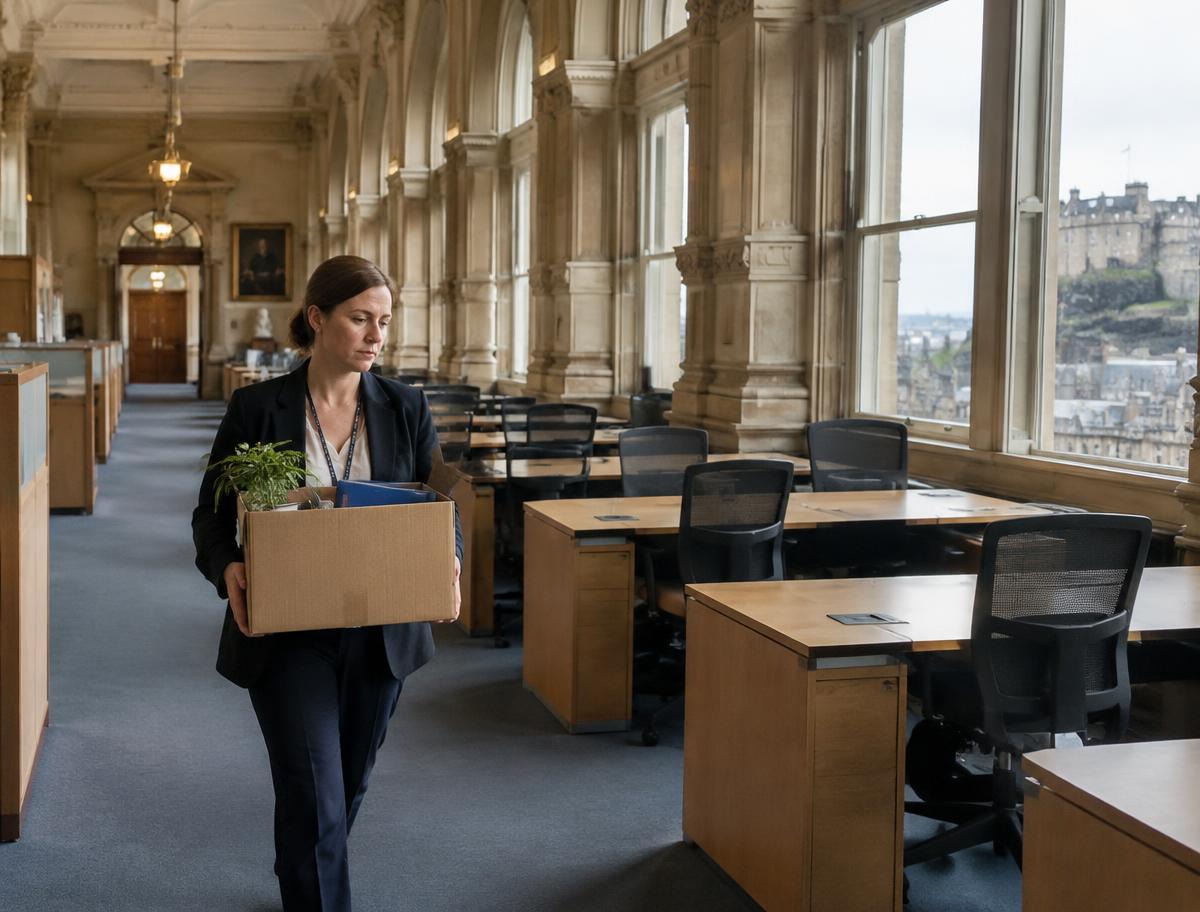
Senior civil servants in Scotland are being offered up to 21 months' pay to leave their jobs as ministers press ahead with sweeping cuts worth £1 billion.
Staff were told on Wednesday morning that a voluntary exit scheme had opened for employees at C Band and in the senior civil service, the most highly paid grades in the Scottish government.
An internal staff communication seen by The Scotsman states that the government remains committed to its No Compulsory Redundancy Policy. That means the reduction in senior posts is expected to come from people choosing to go rather than being pushed.
The terms on offer
Under the proposals, staff would receive one month's pay for each year of service, up to a maximum of 21 months.
For those who have already reached retirement age, the payout would be capped at six months' salary, according to a letter to staff from Miriam Craven, the Scottish government's Director General for Corporate.
Any exit payment worth more than £95,000 will be sent to ministers for approval once a decision has been made. C Band civil servants have a starting salary of £62,111, meaning long-serving staff at higher points of the scale could qualify for substantial settlements.
Growth at the top
The staff notice acknowledges that the government has seen workforce growth since 2020 at C Band level. It says resignations and retirements alone will not get the organisation to the size and shape it needs at these grades.
Focusing on senior grades, the communication says, also gives scope to review leadership structures, widen spans of control and simplify management arrangements. A span of control is the number of people a manager is responsible for day to day.
The notice says the aim is to put the senior cohort on a more sustainable footing for the future.
Part of a wider reform drive
The scheme forms part of the Scottish government's Public Service Reform Strategy, which aims to reduce the size of the civil service and save money that can be redirected to frontline services.
Ministers have argued for some time that the public sector in Scotland grew too quickly and that running costs must be brought under control as budgets tighten. The £1 billion savings target is one of the most ambitious reform commitments the government has made.
Critics of the approach say voluntary schemes can be expensive in the short term, because generous severance has to be paid upfront before savings flow through in later years. There is also a risk that experienced staff with valuable skills are among the first to accept an offer.
Supporters respond that a smaller, flatter senior structure can make decisions faster and free up money for services that the public uses directly, such as health and education.
Unions and accountability
Civil service unions are expected to scrutinise the scheme closely, particularly any suggestion that pressure could be applied to staff to accept packages. The government's restatement of its no compulsory redundancy commitment is likely to be welcomed, but unions will want guarantees that it holds if take-up is low.
The requirement for ministers to approve payments above £95,000 adds a layer of political accountability. Large payouts to senior officials are often controversial, and opposition parties are likely to ask how many such settlements are agreed and at what total cost.
Pressure on public finances
The move comes as the Scottish government faces difficult choices over its budget, with demand for public services rising and ministers seeking savings across departments.
It also comes during a week of intense political argument at Holyrood, with First Minister John Swinney warning that Conservative proposals to review the Scotland Act represent a direct threat to the powers of the Scottish Parliament.
How many senior staff accept the offer, and how much the scheme ultimately costs and saves, will determine whether it becomes a model for wider reform or a one-off exercise. Those figures are likely to be demanded by MSPs in the months ahead.