Scotland is being battered by strong winds, heavy rain and storm-driven seas for the second time in three days, as communities still clearing up after Storm Boelo were warned that weakened trees and buildings could now give way.
A Met Office yellow warning for wind came into force at 03:00 on Tuesday and covers most of the country until 21:00. In parts of the far north of England and the far north-east of Northern Ireland, the warning runs until midnight. Forecasters say gusts of 50mph are likely in Edinburgh, with stronger winds in exposed coastal and island areas and heavy rain following from late morning.
The new spell of weather comes as tributes are paid to Richard Baines, the 60-year-old curator of Logan Botanic Garden, who was killed when a tree fell on him near Castle Douglas in Dumfries and Galloway on Sunday morning. He was the only person known to have died during Storm Boelo.
'Immeasurable' contribution
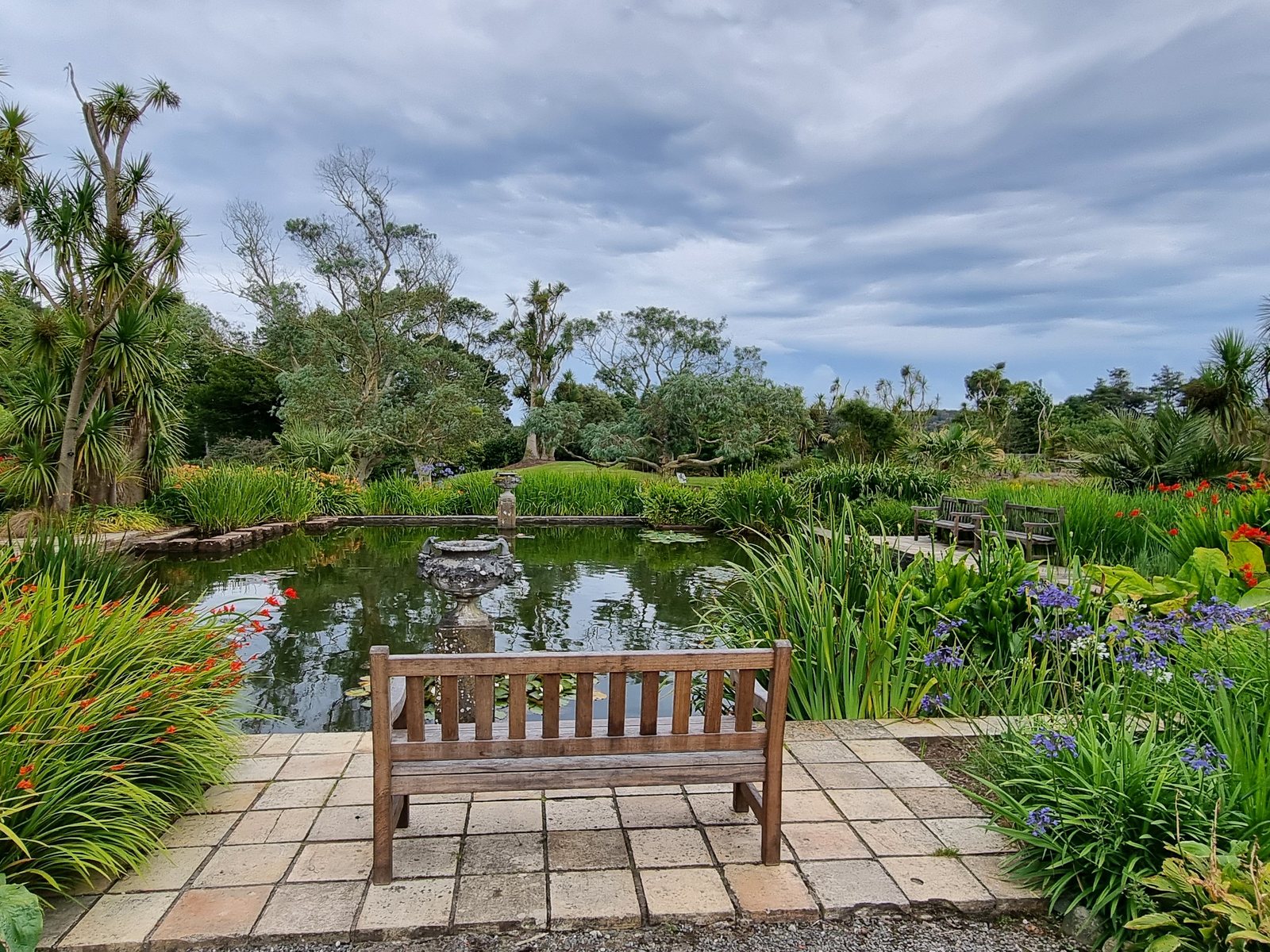
Logan, south of Stranraer on the Rhins of Galloway, is one of the regional gardens of the Royal Botanic Garden Edinburgh and is known for the subtropical plants that thrive in the mild climate of Scotland's south-west tip.
David Knott, the Royal Botanic Garden Edinburgh's director of horticulture, said Mr Baines had been behind some of the biggest changes at Logan, including the UK's first public conservatory powered by green energy. Under his care the garden was named the UK's best garden by Which? in 2021, became the first garden in Scotland to win gold in the Green Tourism Business award and was given five-star visitor attraction status by VisitScotland.
Mr Baines also expanded Logan's plant collection and took part in, and led, plant-hunting fieldwork in China, the Canary Islands and Vietnam. Seven plant species found during that work are now being published as new to science.
“Richard's contribution as an enthusiastic plantsman and curator at Logan and to the Royal Botanic Garden Edinburgh's wider work and culture has been immeasurable, and he will be deeply missed by many,” Mr Knott said.
Schools closed and islands at risk
Western Isles Council closed every school in the islands to pupils on Tuesday because the strongest winds were forecast during the morning and afternoon school journeys.
The Scottish Environment Protection Agency (Sepa) says a storm surge combining with spring tides and large waves will cause spray and waves breaking over sea walls. It warns that significant coastal flooding is likely in Orkney and Shetland on Tuesday, where it has issued an amber flood risk. Caithness and Sutherland and the Western Isles are also at heightened risk.
A yellow risk of coastal flooding stretches from Ayrshire and Arran, Argyll and West Central Scotland up through Skye, Lochaber and Wester Ross to Moray, Aberdeenshire and Aberdeen. Flood warnings were issued overnight for Oban, Fort William, Caol, Corpach and Castlebay on Barra around the early-morning high tide. Sepa expects further isolated coastal flooding on Wednesday, mainly on the east and north coasts, before the risk eases on Thursday.
Trees and buildings 'particularly vulnerable'
The Scottish Government's Resilience Room met again on Monday. Social Justice and Housing Secretary Shirley-Anne Somerville, who chaired the meeting, said damage done over the weekend had left parts of the country exposed.
“More high winds, rain and coastal flooding is forecast today and into tomorrow, and it is important to note that buildings and trees that were weakened over the weekend will be particularly vulnerable,” she said. “I would urge the public to continue to check their local weather forecast and follow the advice of the Met Office, Sepa and the police to ensure they stay safe.”
Power still off for thousands
Engineers worked through Monday to reconnect homes before the new warning began. Scottish and Southern Electricity Networks (SSEN), which serves the north of Scotland, said about 25,000 customers were still without electricity on Monday morning, after supplies had been restored to around 70,000.
SP Energy Networks, which covers central and southern Scotland, said more than 50,000 homes had been reconnected since the storm. By 21:00 on Monday just over 300 of its customers were still cut off, and it expected to reconnect them overnight. Aileen Rourke, its distribution licence director, said teams were “preparing the network for further high winds”.
Across Britain, more than 830,000 properties lost power at some point during Storm Boelo and Storm Austen, which hit Shetland and the north on Friday.
Trains slowed and ferries at risk
ScotRail said most of its services ran normally on Monday but warned passengers to expect delays on Tuesday. Speed restrictions are in place on some routes as a precaution.
“Safety is always our top priority, and with more strong winds and heavy rain across Scotland on Tuesday, we're asking customers to plan ahead and check their journey before travel,” said Mark Ilderton, ScotRail's service delivery director. He warned that some trains could be delayed or changed at short notice.
On Monday, the Crianlarich to Oban line and the Far North line between Inverness, Wick and Thurso were still closed while Network Rail cleared damage. CalMac warned that west coast sailings could be cancelled at short notice, and NorthLink Ferries has told Orkney and Shetland passengers to expect possible disruption until Thursday.
A weekend of damage
Storm Boelo brought gusts of up to 85mph, at Machrihanish in Argyll, during a rare 24-hour amber warning that ended at 21:00 on Sunday. Main Street in Largs was swamped by the sea, a care home in Saltcoats was evacuated, and police helped 15 people trapped at a flooded caravan park in Ballantrae. Two women were taken to hospital after a tree fell on them near the Aberfeldy footbridge in Perthshire.
In the Aberdeenshire village of Crovie, resident Ann Wiseman told BBC Radio Scotland that waves had crashed against the roofs of homes on the seafront. “There was not a window in the house that did not leak,” she said. “It hasn't been this bad for well over 20 years.”
Police Scotland has urged drivers to consider whether journeys are really necessary while fallen trees and debris are cleared. People are advised to check Sepa's flood updates and the Met Office forecast, report power cuts by calling 105 and check with rail and ferry operators before setting out.