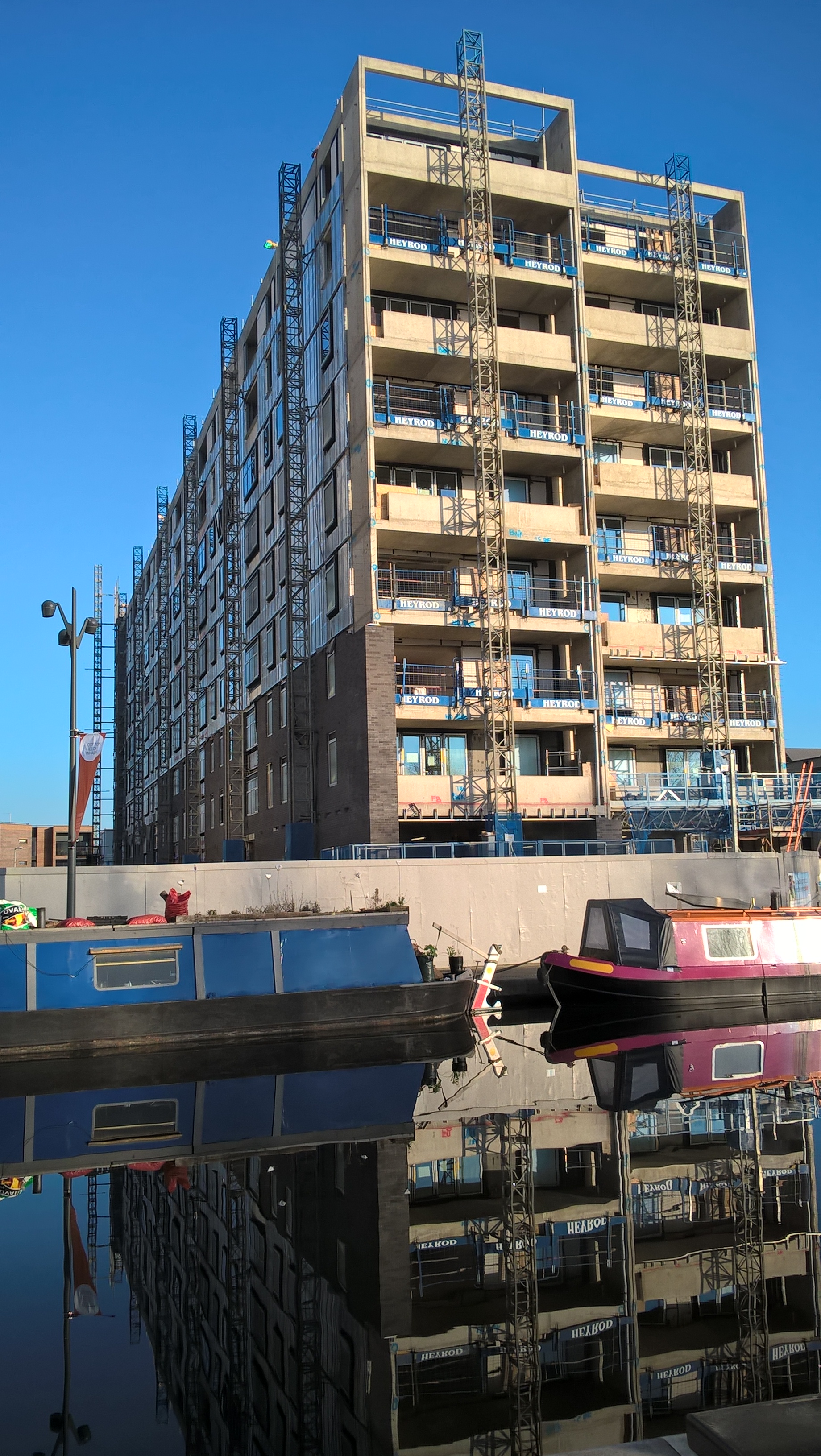
Public-backed housing loans totalling £55m to companies ultimately controlled by Manchester City's owner are to be examined as part of a wider scrutiny review of Greater Manchester's development fund. Councillors want greater clarity about how borrowers were chosen, while the combined authority says the loans were repaid in full and its fund has delivered thousands of homes.
The Guardian reported on Sunday that three companies linked to Sheikh Mansour bin Zayed al-Nahyan received the loans in 2017, during Andy Burnham's period as Greater Manchester mayor. The money helped finance Manchester Life, a major housing development promoted as an opportunity to create 6,000 homes. Mansour is also the United Arab Emirates' vice-president and deputy prime minister.
The review concerns the operation and transparency of a public financing scheme. An announcement that councillors will scrutinise loans is not a finding that an offence occurred, nor proof that the particular loans were improperly granted. Greater Manchester Combined Authority, known as GMCA, says its decisions were taken publicly and that the scheme was open to all developers.
Questions over eligibility and terms
GMCA told the Guardian that the £55m had been repaid, but it had not disclosed the interest rate or explained why the companies qualified for public-backed financing. Those details matter to an assessment of the terms on which public resources were made available. Repayment answers one question about the loans; it does not, by itself, explain the selection process or the rationale for lending.
John Leech, a Liberal Democrat councillor who chairs GMCA's overview and scrutiny committee, said the fund would be investigated by that committee. The scheme has lent £1bn to about 50 developers since 2015. Leech argued that the approval process had been criticised as opaque and that it was not always clear why one application succeeded and another did not.
He questioned why apparently successful businesses needed to borrow public money through the programme and said Abu Dhabi-linked borrowers would be expected to have access to finance elsewhere. His concern was whether the process matched the fund's original purpose. These were the scrutiny chairman's questions, rather than conclusions already reached by the committee.
GMCA said it was supporting the committee with its inquiries. A spokesperson credited the fund with creating 11,000 new homes and contributing billions of pounds of development at no cost to taxpayers. The authority also said no viable scheme had been turned down. Those are its account of the programme's results and operation, which the review can examine against the relevant records.
Authority defends lending process
The combined authority said lending criteria were based on parameters set by the government and developed with outside financial experts. It described them as reflecting due-diligence standards in the private sector. That response puts the design of the scheme alongside the decisions on individual loans: a review can consider both without assuming at the outset that one proves the other was sound or flawed.
Public development lending is distinct from giving a developer a grant. The expectation of repayment, the agreed interest and the risks accepted by the lender all form part of the assessment. In this case, the authority's confirmation of full repayment is important, while the undisclosed interest rate remains a gap in the public explanation reported on Sunday.
The new scrutiny comes amid questions about Burnham's relationship with Manchester City's owners. The Guardian reported that he met them while receiving club hospitality at the Etihad Stadium weeks before the 2017 loan approvals. It said the meeting later disappeared from public records before becoming public again last week. The reporting did not establish that the meeting determined the lending decisions.
Burnham, now prime minister, asked GMCA to undertake a manual trawl of his meetings to ensure full transparency, according to the report. Downing Street declined to comment on Sunday's story. The committee's wider remit concerns the fund's decisions during his mayoralty, rather than only the political controversy surrounding a single meeting.
Housing delivery and accountability
The Manchester Life promise of 6,000 homes and GMCA's figure of 11,000 homes delivered across the fund refer to different scales of activity. They should not be added together as a single total or treated as proof that every promised Manchester Life home has been completed. The Sunday report identifies the former as the development's ambition and the latter as the authority's account of the fund overall.
For Greater Manchester residents, the issue joins two questions: whether public financing helped produce needed housing, and whether the reasons for allocating it were sufficiently clear. Leech says he wants a transparent process. GMCA says decisions were public and the programme worked. The scrutiny review will now have to test those explanations rather than substitute political accusation for evidence.