From the war in Ukraine to floods, storms and power cuts at home, governments across Europe have reached the same conclusion: in a serious emergency, help may not arrive for days. The European Commission's Preparedness Union Strategy urges every citizen to be able to cope for at least 72 hours, and the UK's Prepare campaign and Ready Scotland both advise households to keep a stocked emergency kit in an accessible place. This is not alarmism — it is the same prudent habit our grandparents kept during the Cold War. Here is what your kit should contain, why each item matters, and how to use it.
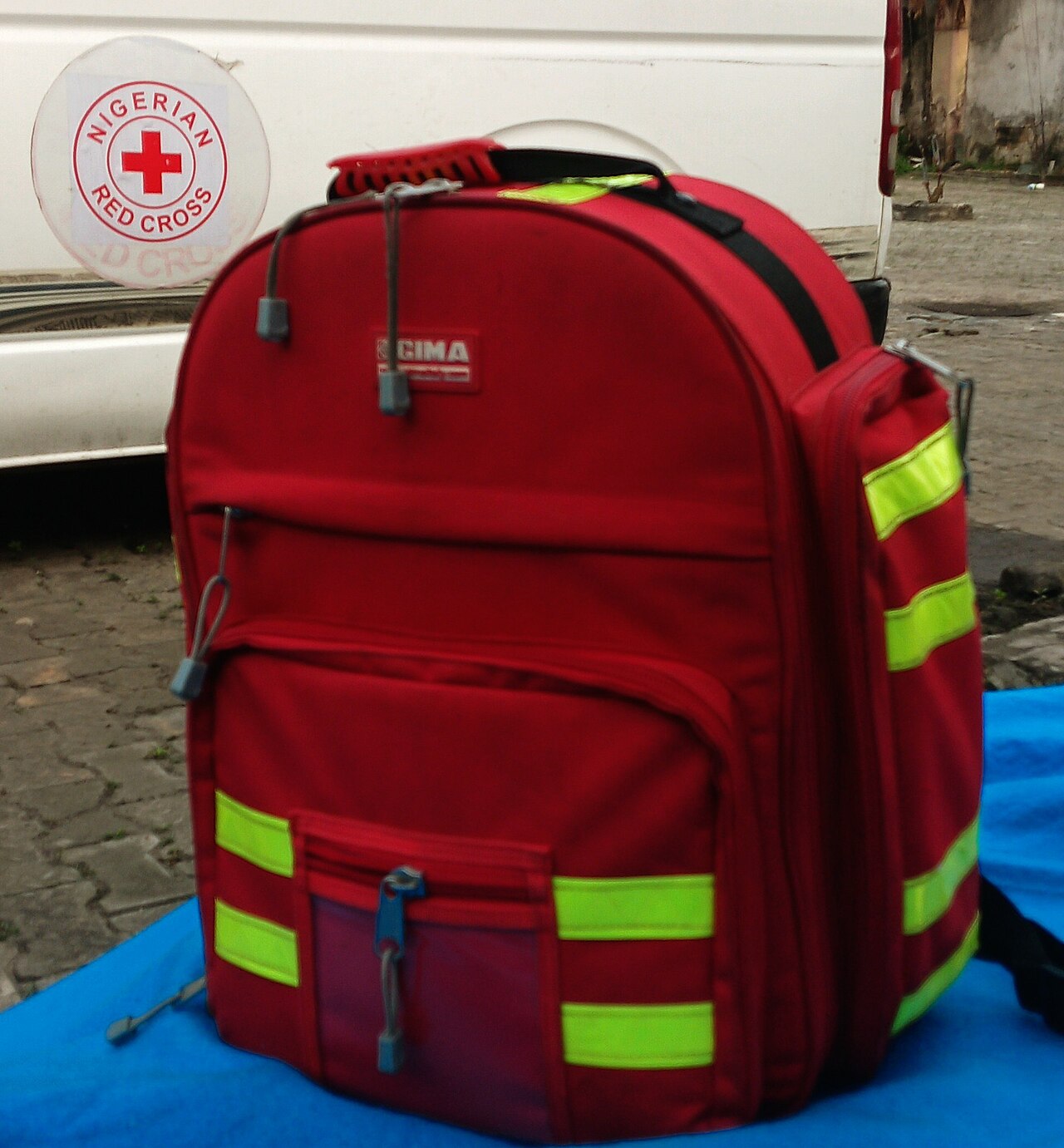
Choose a sturdy box or bag, keep it somewhere everyone in the house knows — by the front door, under the stairs, in a hall cupboard — and build it up gradually, adding an item or two each week. Do not store it in a damp cellar. Check and rotate the contents once a year.
Water: the first priority
You can survive weeks without food but only days without water. Store at least three litres of drinking water per person per day — the UK government's recommended minimum — for at least three days, and ideally double that: a family of four should aim for around 40 to 70 litres. Use sealed bottled water and refillable food-grade containers, and remember pets. Water is not only for drinking: you need it for brushing teeth, washing wounds and basic hygiene when taps stop. Water purification tablets or a quality filter are a worthwhile addition in case stored supplies run out.
Food: no cooking required
Assume the electricity and gas may be off. Stock food that needs no cooking and will not spoil: tinned meat, fish, beans, vegetables and fruit; long-life milk; cereals, oats, nuts and seeds; dried fruit; energy and protein bars; biscuits, chocolate, honey and preserves. Plan for at least three days per person — again, doubling to a week is wiser — and include a manual tin opener, because a drawer full of ring-pull-free tins is useless without one. Add baby food and pet food where needed. Rotate stock so nothing expires.
Radios: your lifeline to information
When power, internet and mobile networks fail, the radio becomes your only reliable source of official instructions. Keep at least two: a battery-powered radio and a wind-up (hand-crank) radio that works even when every battery is dead. Doubling up matters — if one breaks or its batteries drain, the other keeps you connected to emergency broadcasts. A car radio can serve as a backup, but in severe weather it may be safer to stay indoors.
Light and power
Torches are far safer than candles, which cause house fires precisely when emergency services are busiest. Keep at least two torches — one battery-powered, one wind-up — plus a generous supply of spare batteries in the sizes your devices take. Add charged power banks for mobile phones, and consider a solar charger. Store batteries separately from devices so they do not corrode or drain in storage.
Medicines and first aid
Keep a first aid kit with waterproof plasters, bandages, sterile dressings, antiseptic, medical tape, tweezers, a thermometer, eyewash and gloves. Anyone who relies on prescription medication should keep a reserve supply and a written list of medicines — ask your GP or pharmacist. Add painkillers, hand sanitiser and wet wipes for hygiene when water is off.
For the specific danger of a nuclear emergency, Danish and other Nordic civil protection checklists include iodine tablets (potassium iodide) for people under 40 and for pregnant and breastfeeding women. Taken at the right time, they saturate the thyroid with stable iodine so it does not absorb radioactive iodine from fallout. They protect only the thyroid and only against radioactive iodine — they are not a general anti-radiation pill — and should be taken only when authorities advise it. A multivitamin and mineral supplement is also a sensible addition: if you are living on tinned food for days, it helps cover nutritional gaps.
What to avoid — and safer alternatives
Do not stockpile petrol, paraffin (kerosene) or large gas canisters indoors: they are serious fire and fume hazards in a crisis. For light, use battery or wind-up torches and lanterns rather than fuel-burning lamps. If you want a flame-based backup, traditional oil lamps with lamp oil are safer than petrol or kerosene devices, but even these must be used with ventilation and care. For warmth, rely on blankets, duvets, sleeping bags and warm layered clothing rather than improvised heaters.
Documents, cash and the small things that matter
Keep paper copies of important documents — passports, birth certificates, insurance policies, prescriptions — in a waterproof bag. Hold cash in coins and small notes, since card machines and cash machines fail in power cuts. Add spare house and car keys, a whistle to signal for help, pencil and paper, local maps, dust masks, duct tape and plastic sheeting for sheltering in place, and a wrench or pliers to turn off utilities. Spare glasses, hearing-aid batteries and mobility aids are essential for those who need them.
None of this requires panic buying or great expense. A kit built a few items at a time, stored in one handy place and checked once a year, can carry a household through the first critical days of almost any emergency — flood, storm, blackout or worse. The advice from every civil protection agency is the same: the time to prepare is before you need it.