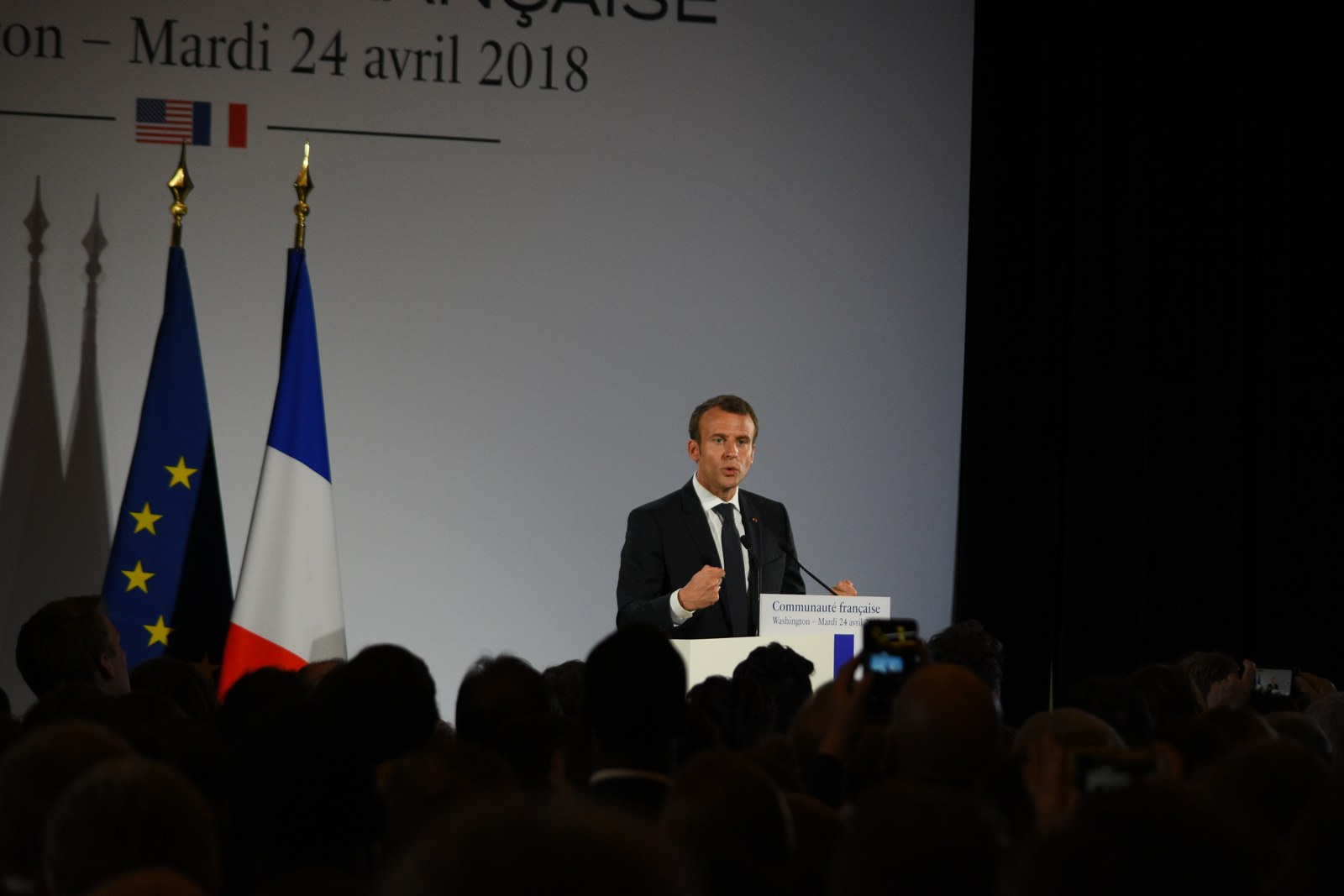
Emmanuel Macron demanded accountability for looting and attacks on public buildings in an address to France on Sunday evening, after a weekend of demonstrations and unrest produced more than 2,300 arrests. The president's intervention came as new tensions flared around Place de la République in Paris and investigators examined serious injuries suffered by young protesters.
Macron said nothing justified the violence. He said those who had looted would have to pay for damage and those who sought to bring down the Republic would be held accountable. His address followed an emergency meeting with senior government officials earlier on Sunday, as cities assessed the destruction left by Saturday's clashes.
The demonstrations began around rising living costs and poor conditions in schools. France 24 reported that authorities estimated about 550,000 participants nationwide, while organisers put turnout at about 800,000. Those competing estimates are not an agreed count. Nor should the violence attributed to particular groups be treated as describing everyone who joined the marches.
President condemns looting
Macron attributed the disorder to what he called insurrectionist elements from radical far-left groups, joined by criminals. That was the president's characterisation of responsibility. The available reporting did not establish the identity or motivation of every person arrested, and an arrest is not a conviction. The distinction remains important as investigations move from broad political claims to individual evidence.
Interior Minister Laurent Nuñez defended the right to protest while condemning deliberate, collective violence. France 24 reported looting in Paris, Marseille, Lyon and Bordeaux, and damage to public premises in several cities. Limoges' nineteenth-century city hall suffered a devastating fire, while unrest in Marseille included people entering the city-hall lobby and damaging a police station.
Sunday's presidential response is a separate development from those attacks. It sets out the government's position after officials had begun assessing the damage, rather than announcing that the weekend's events had ended. Hundreds of people gathered again around Place de la République on Sunday, where police used tear gas amid sporadic tension and attempts to set bins and bicycles alight.
Arrests and injury investigations
France 24 reported 855 arrests in the Paris region, with the capital's prosecutor saying 557 people remained in custody. These local figures form part of the wider weekend picture and should not be added to the national arrest total as if they represented an entirely separate group. The figures were developing as police and prosecutors processed the cases.
Paris police also reported that one person had died of a heart attack, without giving further details. The prosecutor's office said it was investigating. The available account does not establish how that death related to the demonstrations, and it would be premature to assign responsibility or describe an unconfirmed sequence of events.
In Mulhouse, prosecutors opened an investigation after a 17-year-old girl suffered an injury and lost sight in an eye during Saturday's protests. French reporting said police inspectors had been asked to establish precisely what happened. The object that caused the injury and the circumstances remained under investigation. A separate inquiry followed a young protester's loss of a hand in Saint-Étienne.
Those cases place police tactics under scrutiny alongside the investigation of attacks and looting. They do not yet establish that an officer committed an offence. Equally, condemning damage to property does not answer the questions about how protesters were injured. Both strands require evidence, with the injured girl's age adding particular sensitivity to the Mulhouse inquiry.
Political argument intensifies
Marine Le Pen attacked the government's handling of the unrest on Sunday. Jean-Luc Mélenchon accused Prime Minister Sébastien Lecornu of playing with fire but also said those sharing his movement's cause had no business looting or destroying property. France 24 described political leaders seeking to shape the argument ahead of the presidential election next spring.
Donald Trump also commented, linking the unrest to immigration. France 24 noted that French authorities and police had not established such a link and had instead attributed some violence to radical groups and people who joined to loot. His assertion should therefore not be presented as a verified explanation for what happened.
The mayors of Paris, Marseille and Lyon requested a meeting with the prime minister over the extent of the damage. For the government, the immediate tasks now combine public order, repair and accountability with the living-cost and school grievances that brought people onto the streets. Macron's address delivered a forceful response to the violence, but the investigations and the underlying political dispute remain unresolved.