Housing and living-cost protests have spread across southern Europe, with demonstrators establishing a tent camp in central Lisbon while a march in Milan ended in clashes, damaged property and dozens of detentions.
The events unfolded on Saturday against a wider background of demonstrations over public services, rents and household budgets. They took different forms: hundreds gathered around tents in Lisbon’s Rossio Square, while a peaceful start to the Italian march was followed by violence involving masked groups and riot police.
At least two police officers were injured in Milan and about 50 demonstrators, including many minors, were detained, the LaPresse news agency reported. Those figures concern the Milan incident and should not be combined with arrest totals from separate protests elsewhere in Europe.
Lisbon demonstrators demand housing action
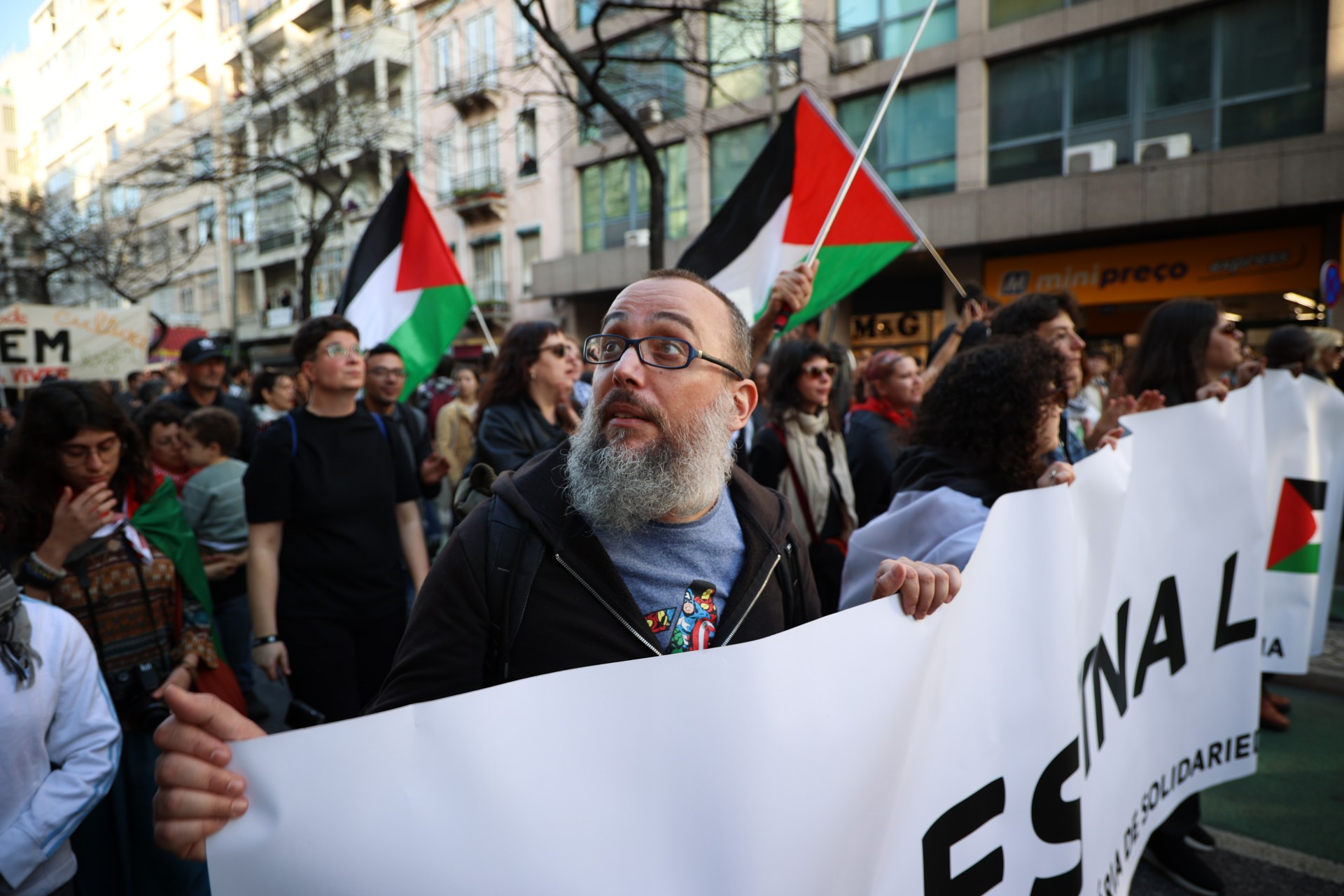
Thousands took part in marches across Portugal before hundreds rallied at night in Rossio Square, in the busy tourist heart of the capital. Participants said they would remain overnight, singing as they gathered around the statue of King Pedro IV.
The camp amplified an earlier protest in Porto, where dozens of tents had already been erected. At the Lisbon march called by the main CGTP union, demands extended beyond housing to improved public services, wages and pensions, linking the cost of a home to broader pressure on household incomes.
Elena Costa, a 46-year-old social assistant, said working taxpayers were losing rights, particularly access to housing. Engineer Antonio Margado, 52, criticised what he described as the liberalisation of rents and an imbalance in protection between property owners and people needing a home.
Portuguese house prices rose by 124% between 2015 and 2024, roughly twice the European Union average, according to official data cited in the Guardian’s report. That is a measure of property prices, not a claim that every tenant’s rent rose by the same amount. The effects are particularly sharp for younger people and residents of Lisbon.
Around a quarter of Portugal’s population of more than 11 million lives in the capital’s wider metropolitan area. The concentration of people and activity there gives the dispute over affordable housing a national significance, even though experiences and costs vary between neighbourhoods and regions.
Portuguese premier warns against instability
Prime Minister Luís Montenegro said his government understood that people wanted to express anger about what they regarded as omissions in public policy. He also warned political opponents against importing climates of instability and protest that he said lacked support in Portuguese society.
His remarks reflected the political argument over the movement and the violent scenes elsewhere in Europe. The available reporting did not describe the Lisbon encampment as equivalent to the attacks on property in Milan. Peaceful demonstrators’ demands should not be conflated with the actions of groups involved in violence.
In Milan, masked rioters threw stones, paving blocks and other objects at police and set fire to barricades made from bar tables. Officers used water cannon and teargas to disperse crowds. Images from the aftermath showed a badly damaged carabinieri vehicle.
Prime Minister Giorgia Meloni said demonstrating was a right but setting cities ablaze was not. She accused hooligans of using the protests to cause chaos and attack security personnel. Milan’s centre-left mayor, Giuseppe Sala, said the reasons behind the protests were understandable but violence against police and serious damage to the city could not be justified.
Shared pressures, separate movements
The mobilisation follows housing protests in Spain and unrest in France over school conditions, inequality and public spending. In Spain, demonstrations and a camp in Madrid followed the eviction of an elderly woman facing a steep rent rise. These events provide context, rather than proof that all the movements have the same organisers or programme.
The immediate questions now differ between the cities: in Lisbon, how the government responds to demands over homes and living standards; in Milan, how authorities investigate violence after a march that began peacefully. Across both, pressure on household budgets remains a central grievance, but the political responses and public-order consequences must be assessed separately.