On the mountain ridges and unmarked crossing points of Iraq's Kurdish region, a largely unseen war is being fought over one of the world's fastest-growing drug trades: crystal methamphetamine, moved in bags worth £20,000 or more and destined for markets across the Middle East and Europe.
Kurdish security forces say the scale of the trade has grown dramatically, with smuggling gangs using the same porous routes long used for fuel, cigarettes and weapons. The difference now is the product — a cheap, highly addictive stimulant whose production has industrialised across the region.
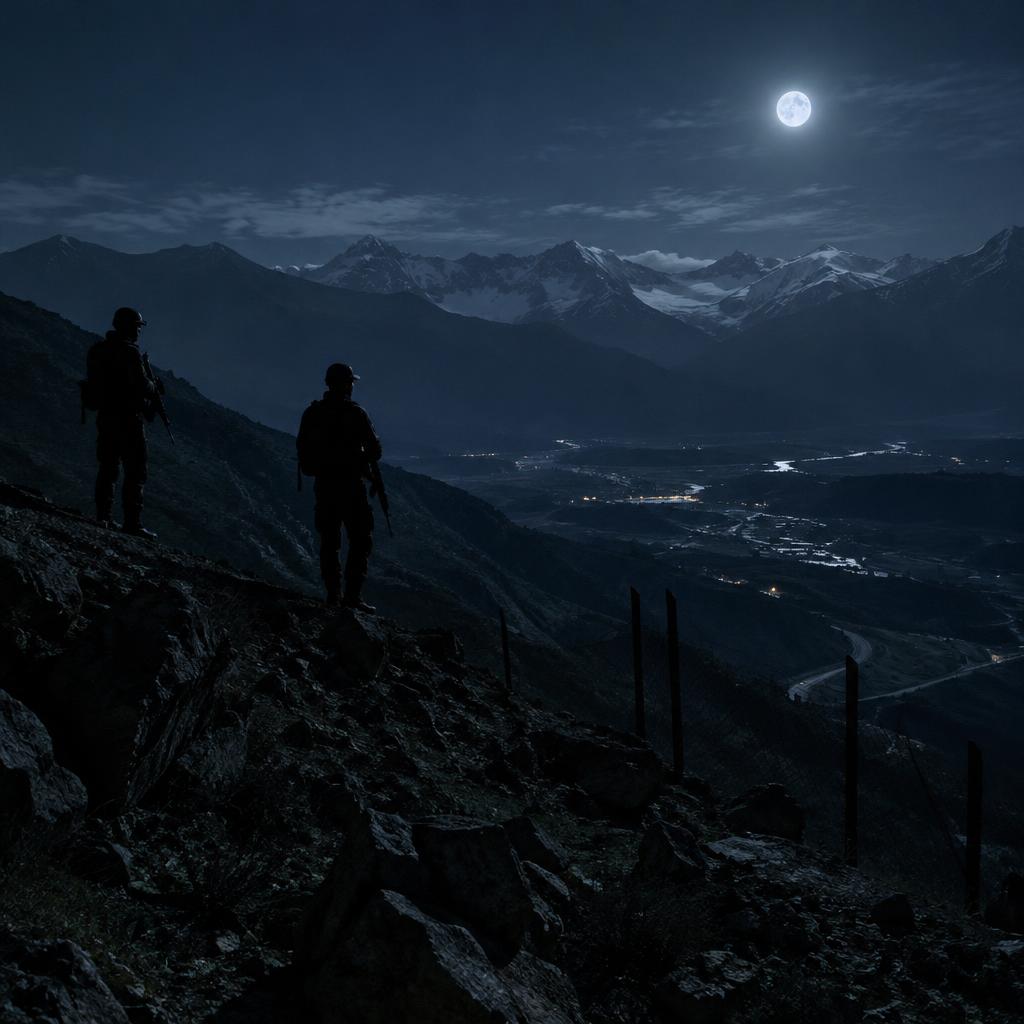
Officers involved in interdiction operations describe a constant cat-and-mouse game. Smugglers move at night, in small groups, carrying loads on foot or by mule across terrain that cannot be sealed. Seizures have risen sharply, but officials admit they are intercepting only a fraction of what crosses.
An industrialised trade
The regional drugs economy has been transformed over the past decade. Captagon — the amphetamine-type stimulant long associated with Syria — built a multi-billion-dollar market in the Gulf. Now crystal meth, produced in clandestine laboratories, is following the same networks and reaching the same customers, often at lower cost.
The United Nations has warned that methamphetamine production and trafficking in the broader Middle East is expanding rapidly, with seizures rising year on year. The trade enriches armed groups and criminal networks alike, and officials fear the profits are entrenching corruption and violence in border regions that can least afford it.
For the Kurdish authorities, the problem is compounded by geography. The region's borders with Iran, Turkey and Syria cross some of the most difficult terrain in the Middle East — mountains that have sheltered smuggling routes for centuries and that no police force can fully control.
The human cost
Behind the seizure statistics lies a growing public health emergency. Treatment centres across the region report rising numbers of methamphetamine users, many of them young men, in societies with almost no addiction treatment infrastructure and deep stigma around drug use.
Health workers describe a cycle they are powerless to break: cheap supply creates new users, new users create new demand, and the profits fund ever more sophisticated smuggling operations.
The trade also has a security dimension. Regional officials say the same networks that move drugs move weapons and people, and that the profits are funding armed factions whose influence extends well beyond the borderlands.
A fight without easy answers
Kurdish forces say they need more support — better surveillance equipment, more intelligence sharing with neighbouring countries and international partners, and investment in the border communities whose economic desperation makes them vulnerable to recruitment by the gangs.
There is a precedent for cooperation: joint operations with Iraqi federal forces and international partners have produced significant seizures. But the underlying drivers — conflict, poverty, weak states and enormous profit margins — remain untouched.
As one officer put it, standing on a ridge above a known crossing route: "We can win every night and still be losing. Until the demand and the money are addressed, the mountains will keep working for them."
International attention to the trade has been limited, overshadowed by the region's wars and political crises. Yet diplomats in Baghdad say the drugs economy is now one of the most destabilising forces in the country, corrupting institutions and funding armed groups that answer to no government. Some regional states have begun treating it as a national security issue, increasing intelligence cooperation and pressing for joint operations. Whether that cooperation survives the region's political rivalries is another matter. For now, the convoys keep moving through the mountains — and the men watching the ridges know that for every bag they seize, many more get through.