Standing charges on gas bills are to be abolished for 23 million homes, Chancellor John Healey has announced, hours before he delivers his first Budget in the House of Commons.
Mr Healey said he would ask Ofgem, the energy regulator for Great Britain, to end the “unfair and outdated” fixed daily charge next year, or as soon as possible afterwards. The Treasury says the change will save about 60% of households with a gas account an average of £45 a year.
The move will not cost the government anything. Instead, the money currently raised through the daily charge will be moved on to the price of each unit of gas used, so households that burn a lot of gas are likely to pay more overall.
What a standing charge is
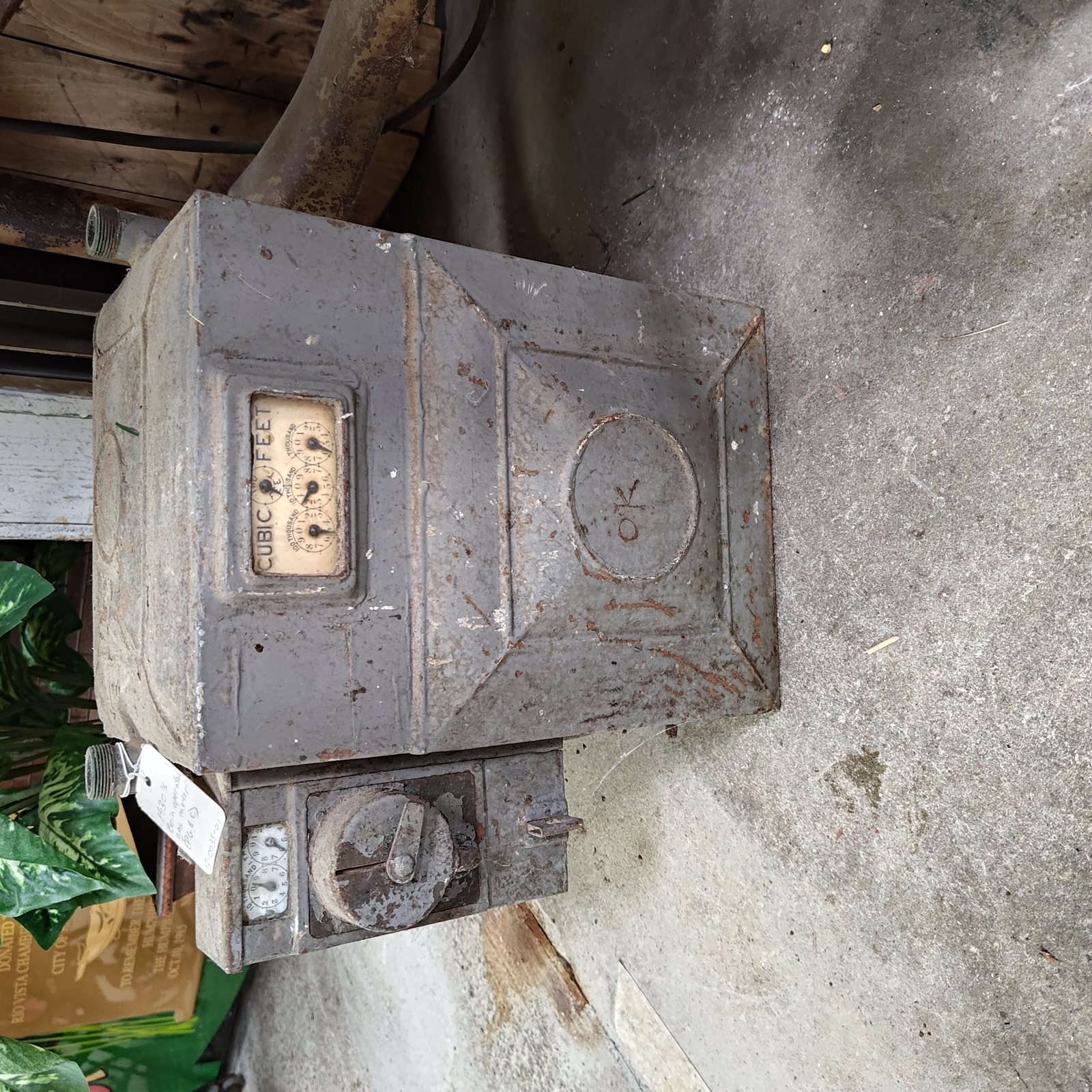
A standing charge is a fixed amount added to every gas bill for each day a home is connected to the network, whatever it uses. It pays for part of the cost of the pipes, meters and supplier services. A household could use no gas at all in a month and still be billed for it.
Because poorer households tend to use less gas, the standing charge makes up a much bigger share of their bills. Campaigners have long argued that it punishes people who ration their heating, and that it hits those on prepayment meters hardest, because the charge keeps building up during the summer when they are not topping up.
Research carried out for Ofgem found that 61% of people regard standing charges as unfair, compared with about a quarter who think the same of unit rates.
What ministers said
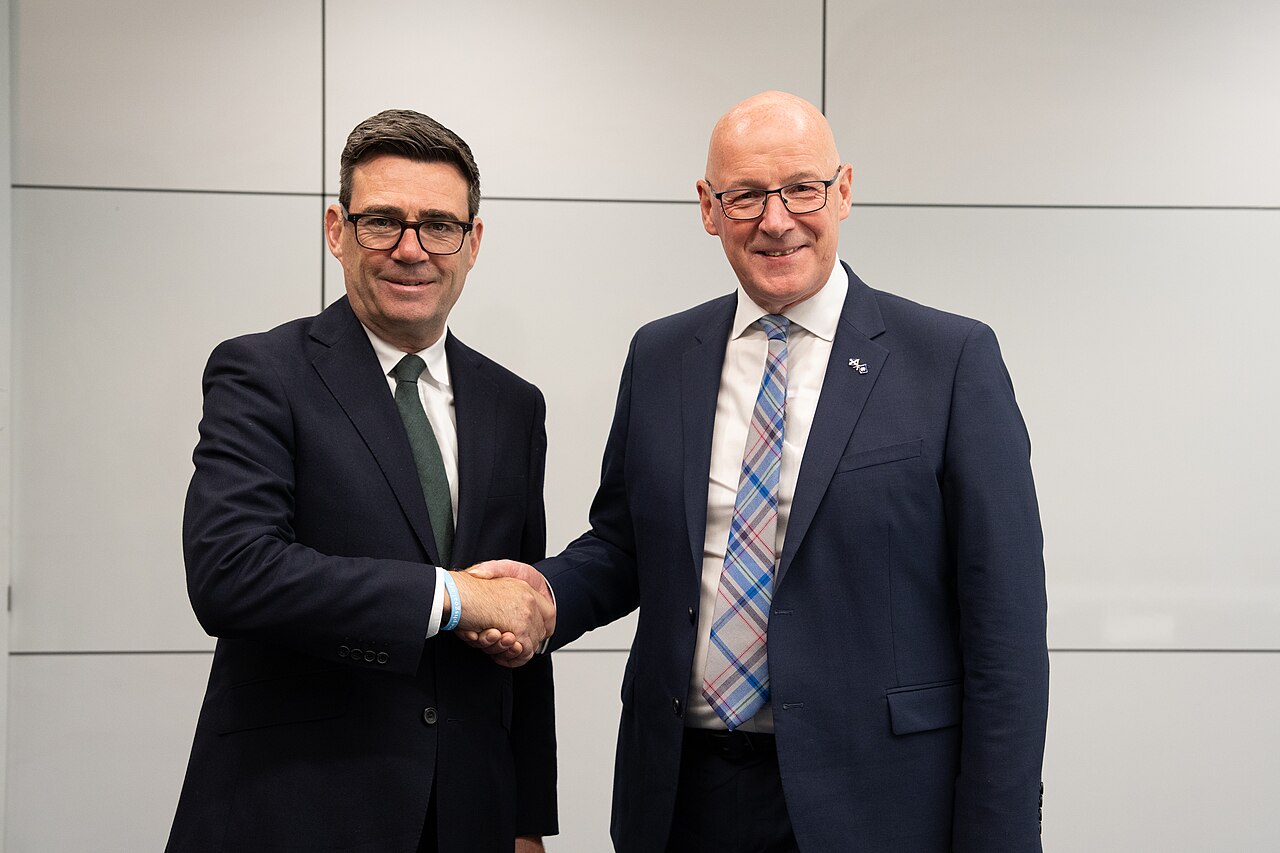
Prime Minister Andy Burnham, who told MPs last week that he had asked the Treasury to look at the issue, said: “Abolishing gas standing charges is about basic fairness and giving people more control over their bills. I am determined to reform our broken energy market, so it better serves the public interest.”
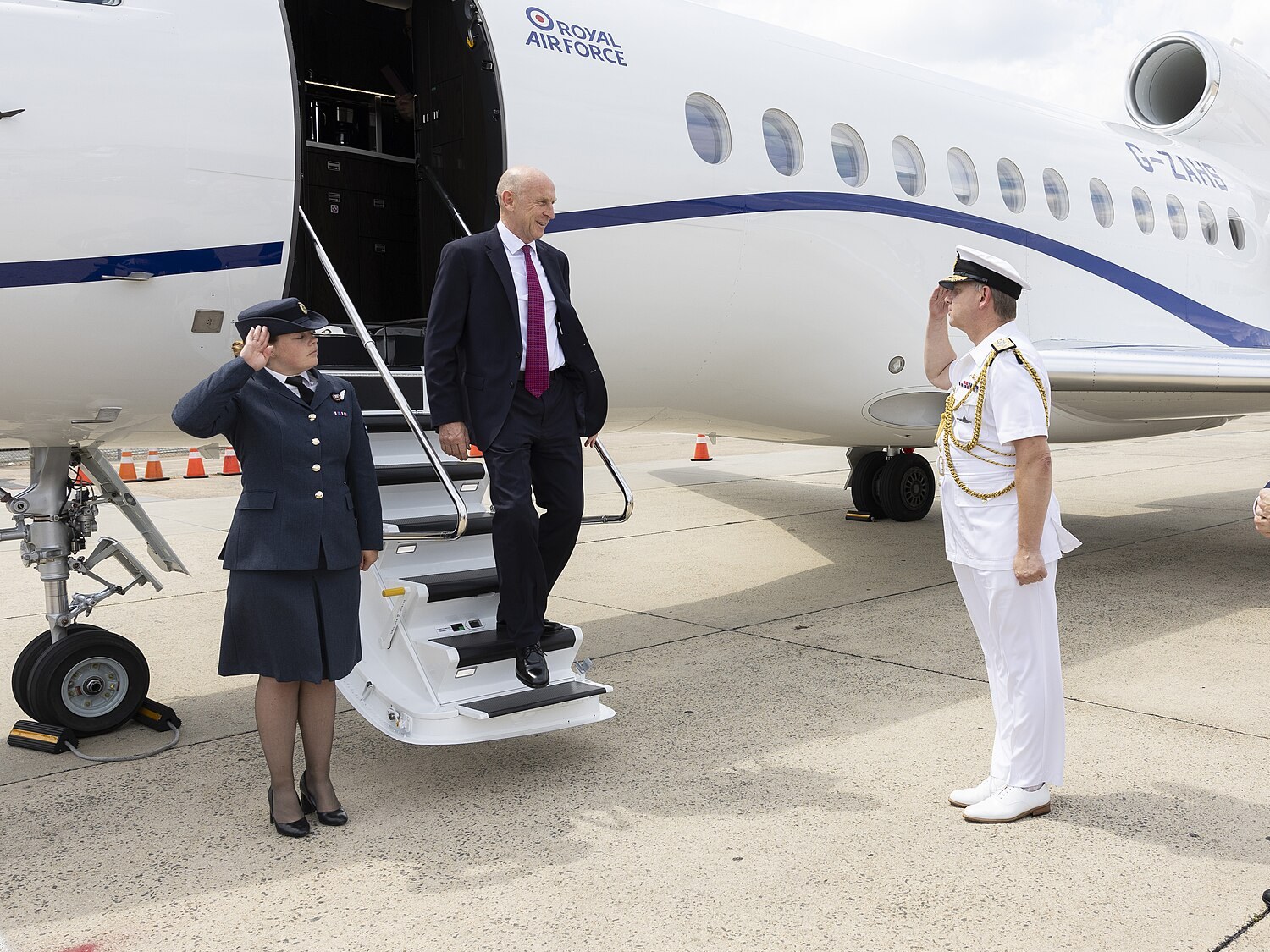
Mr Healey said: “Gas standing charges are unfair and outdated so I am scrapping them to give millions of households a bit of breathing space. My budget will draw a line in the sand on an energy policy that has failed British billpayers for years, letting extra costs on bills pile high and leaving households even more exposed to global shocks.”
Winners and losers
The research charity Nesta said in a recent analysis that scrapping the charge “efficiently transfers costs from poorer households to wealthier ones”. It pointed to a small but significant group of homes that heat with a gas boiler but use electricity for cooking and hot water. They use gas only in winter, but pay the standing charge all year round, and many of them have prepayment meters.
Andrew Sissons, a director at Nesta, said the measure would “provide relief to the poorest households who ration their gas use”, and would also make switching to electric heating, such as heat pumps, a better deal for some homes that use more gas.
Simon Francis, coordinator of the End Fuel Poverty Coalition, said removing the charge would bring “real relief” to low-income homes and could stop prepayment customers building up debt in the summer. He said the coalition would wait to see whether the chancellor matched his words with more action later in the day, adding that moving policy levies off electricity bills and into general taxation “would also be a positive step”.
Not everyone was impressed. The Green Party called the announcement “more tinkering from a government that is failing to take the bold action needed to end the cost of living crisis”.
Large families in poorly insulated homes, and people who work from home and keep the heating on all day, are among those most likely to see bills rise once the cost moves to unit rates. Ofgem will have to decide how the change is phased in and whether any protection is needed for them.
Part of a wider package
The announcement is one of several cost of living measures trailed before the Budget. Mr Healey is expected to set out a targeted package of more than £1bn for households on means-tested benefits, adding about £100 to the £150 Warm Home Discount rebate.
It follows the government's six-month suspension of VAT on electricity bills, which began at the start of October and meant the energy price cap set by Ofgem was £45 a year lower than it would otherwise have been.
The chancellor is also expected to confirm help with motoring costs and changes to taxes on banks when he rises to speak shortly after Prime Minister's Questions. Inflation stands at 3.5%, and petrol prices are at their highest level since 2022.
The standing charge on electricity bills is not affected by today's announcement. Ofgem has previously consulted on offering low or zero standing charge tariffs for electricity, but has not required suppliers to drop the charge altogether.