A same-day genetic test has helped doctors identify hidden and drug-resistant infections in critically ill children at Great Ormond Street Hospital, with a new study showing that its results influenced treatment in a quarter of cases.
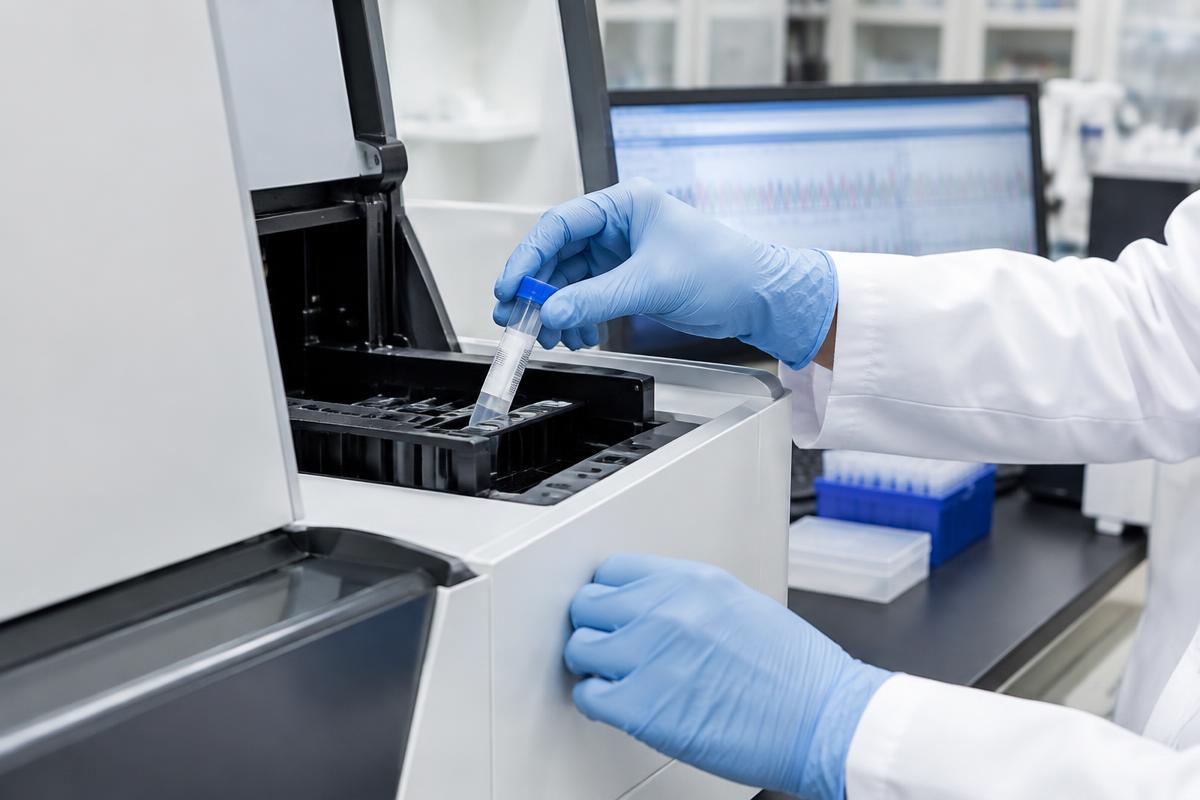
The technique, known as metagenomics, analyses the genetic material in a sample rather than requiring clinicians to specify in advance which infection they suspect. Researchers used it on respiratory samples from 122 children in the London hospital’s paediatric intensive care unit during 2024–25.
The findings, published in the Lancet Microbe, suggest that the approach can supplement conventional tests and help clinicians choose appropriate treatment. They do not mean that one test can identify every infection or replace clinical judgement in every critically ill patient.
A family’s experience
Among the patients to benefit was Willow Crowther, from Kent, who became dangerously ill with pneumonia in March. The illness triggered a seizure and several cardiac arrests, and she was admitted to intensive care at Great Ormond Street.
Her mother, Stacey Moore, told the BBC that doctors gave Willow a 50% chance of survival and advised the family to prepare to say goodbye. Testing then identified a drug-resistant bacterial infection requiring a different antibiotic from the one she had been receiving.
With the right treatment, Willow recovered, although she needed several months in hospital. She celebrated her tenth birthday in August. Her mother credits the availability of the test with saving her life, while her father, Russ, described her survival as a miracle.
The family’s account shows what an accurate diagnosis can mean for an individual patient. It should remain distinct from the study’s overall findings: a successful outcome in one child does not establish the size of a survival benefit across all intensive-care patients.
Looking beyond an initial suspicion
Routine bacterial testing often involves growing organisms in a laboratory. PCR tests can identify viruses and some bacteria, but generally require clinicians to decide what they are testing for. Metagenomics instead examines genetic material across a sample, allowing a much wider search for potential pathogens.
In the Great Ormond Street study, the method identified around nine in ten bacteria and viruses, and all fungi, present in the samples assessed. Those figures refer to the study’s findings and should not be presented as a universal guarantee of diagnostic accuracy in every setting.
Researchers also detected 50 organisms that had not been identified by routine diagnostics. Finding an organism is one stage of care; deciding whether it explains a patient’s illness and what treatment is appropriate still requires medical interpretation.
In a quarter of cases, the results affected prescribing. Doctors started, stopped or changed antibiotics in response to the additional information, making the test relevant not only to identifying infections but also to avoiding treatment that would not help.
Reducing unnecessary antibiotics
Dr Sam Ray, a consultant in paediatric intensive care and co-author of the study, said conventional testing required an educated guess about the infection involved. The new approach helped teams find infections they would otherwise have missed and stop antibiotics when they knew those drugs were not going to work.
That is important in the fight against antimicrobial resistance. Using an antibiotic when it is unnecessary exposes a patient to treatment without the intended benefit. Better diagnostic information can help clinicians target prescribing, although this study does not quantify the technique’s long-term effect on national resistance rates.
The service is being gradually extended to around 30 intensive-care units treating adults and children across the UK, according to Dr Julianne Brown, who heads Great Ormond Street’s metagenomics service. That is a developing rollout, not evidence that every NHS hospital already offers the test.
Possibilities beyond intensive care
Brown also suggests the method could help identify new infections with pandemic potential. A broad genetic search may be useful when doctors encounter a pathogen they do not yet know to look for, but that is a potential future application rather than proof that the system can predict or prevent the next pandemic.
The children’s hospital project builds on adult respiratory-infection trials at Guy’s and St Thomas’ NHS Trust. The next stage is to establish how the service performs as its use expands, while maintaining careful interpretation of results.
For now, the clearest achievement is practical: additional information about an infection changed care for some very ill children. The promise lies in making diagnosis more precise, without treating a promising study as a guarantee for every patient.