Ancient Egyptian mummies have been taken off display at two of Glasgow’s best-known museums because of concerns that the dead never gave their consent to be put on show.
Kelvingrove Art Gallery and Museum, one of Scotland’s most visited attractions, has removed the human remains from its Egypt gallery. A sign now stands where they used to be displayed. It reads: “We have removed human remains from this display as a mark of respect.”
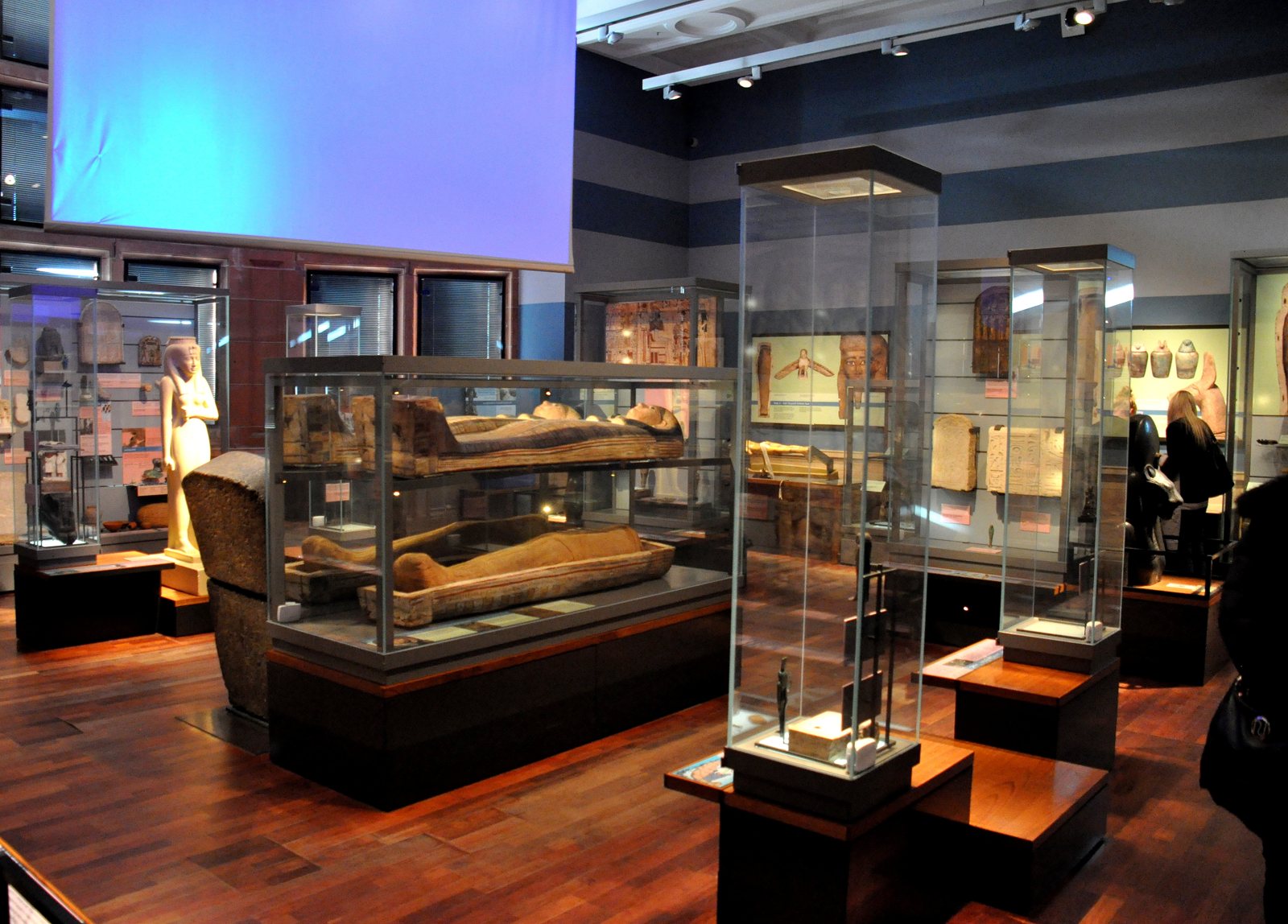
Across the city, the Hunterian Museum at the University of Glasgow has covered up Lady Shep-en-Hor, a 2,500-year-old mummy from Thebes, to protect her from public view. A spokesperson for the Hunterian, Scotland’s oldest public museum, said she “deserved privacy in death”.
‘Contemporary museum practice’
Glasgow Life, the charity that runs Kelvingrove and the city’s other council-owned museums, said the decision reflected changing standards across the sector.
“The removal of human remains from display at Glasgow Life museums reflects contemporary museum practice,” a spokesperson said.
The organisation pointed to the International Council of Museums, whose revised Code of Ethics, published in June 2026, says museums “should uphold the inherent dignity of human remains and promote respect for their significance”.
It also cited a 2025 report by the All-Party Parliamentary Group on Afrikan Reparations, titled Laying Ancestors to Rest, which raised ethical concerns about displaying ancient Egyptian remains. The report criticised what it called the consistent disregard of the possible wishes of the dead and of the communities that originally buried them.
A new consent rule
The move comes as Glasgow Life drafts a new Human Remains Policy. Under the proposals, human remains would only be displayed where there is documented and informed consent from the person themselves or, in appropriate circumstances, from their descendants.
“In the absence of such consent, we believe removing ancient Egyptian human remains from display is more respectful to the deceased individuals,” the spokesperson said.
In practice, such a rule would rule out showing almost any ancient remains, since people buried thousands of years ago left no record of their wishes about being exhibited. The coffins, sarcophagi and grave goods that accompanied the dead are not affected and can remain on display.
Glasgow’s Egyptian collections
Glasgow has some of Scotland’s most important Egyptian collections, built up largely in the late 19th and early 20th centuries, when British archaeologists, collectors and wealthy benefactors brought thousands of objects from excavations in Egypt. Many were donated or sold to museums across the UK.
Kelvingrove’s Egypt displays include decorated coffins, a carved sandstone stela and the sarcophagus of a high-ranking official, and for generations of Glasgow schoolchildren the mummies were among the museum’s most memorable sights. The Hunterian, founded in 1807 from the bequest of the anatomist and physician William Hunter, has long been used for teaching as well as public display.
Part of a wider shift
Museums across Britain have been rethinking how they show human remains. Some have placed mummies behind screens, added warnings for visitors, or changed labels to describe the dead as people rather than objects. Others, including the British Museum, continue to display Egyptian remains, arguing that they help the public understand ancient lives and beliefs about death.
Glasgow has been at the forefront of debates about returning and handling sensitive collections. In 1999 the city returned a Lakota Ghost Dance shirt to the descendants of the people it came from in South Dakota, and in 2022 it agreed to repatriate dozens of artefacts, including Benin bronzes, to Nigeria and India.
Mixed reaction
The decision is likely to divide opinion. Supporters say it brings Glasgow into line with international ethics guidance and shows respect for people who never imagined their bodies would be viewed by strangers. Critics argue that mummies are among the most powerful ways to bring history to life, and that removing them deprives visitors, particularly children, of a direct connection with the ancient world.
Kelvingrove has faced criticism in recent years from some commentators who say it has become too quick to apologise for its collections, while campaigners have pressed museums to go further in confronting the colonial history of how many objects were acquired.
Glasgow Life has not said whether the remains will return to view if its draft policy changes, or whether they will be studied or stored elsewhere. The draft policy is expected to set out how the museums care for all human remains in their collections, not only those from Egypt.