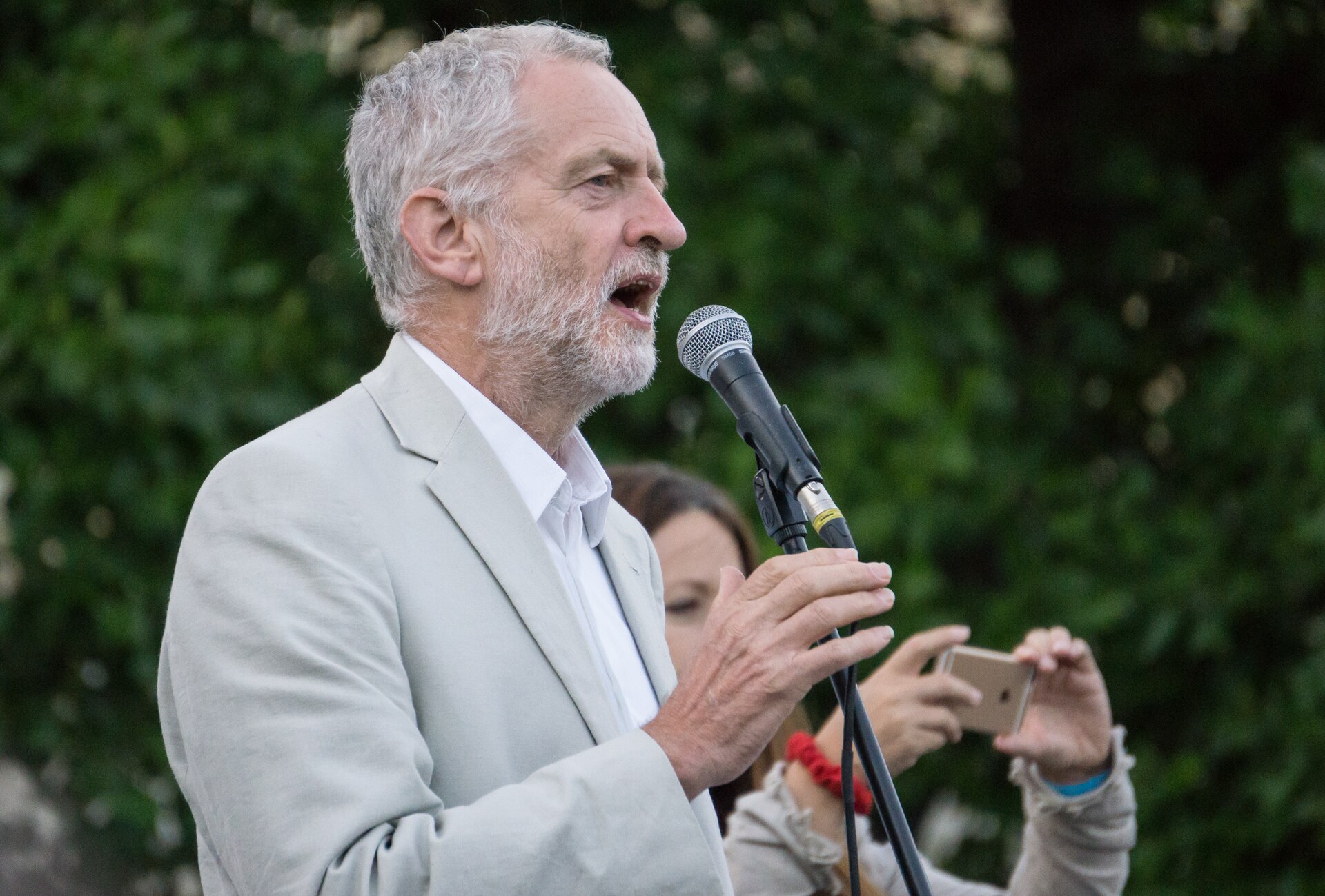
Andy Burnham’s government has rejected a call from Jeremy Corbyn for an independent public inquiry into Britain’s military, economic and political cooperation with Israel during the war in Gaza, a demand the former Labour leader frames as an investigation into what he calls British “complicity in genocide”.
Corbyn, now an independent MP, wrote to Burnham shortly after he replaced Sir Keir Starmer as prime minister in July, urging him to support a private member’s bill that would establish a Chilcot-style inquiry, modelled on the investigation into the Iraq war.
In a response to a written parliamentary question on Monday, the government said its position remained unchanged from that of the previous administration. It said an inquiry was not needed because there were “extensive mechanisms already available for parliamentary accountability and oversight”.
What the bill would examine
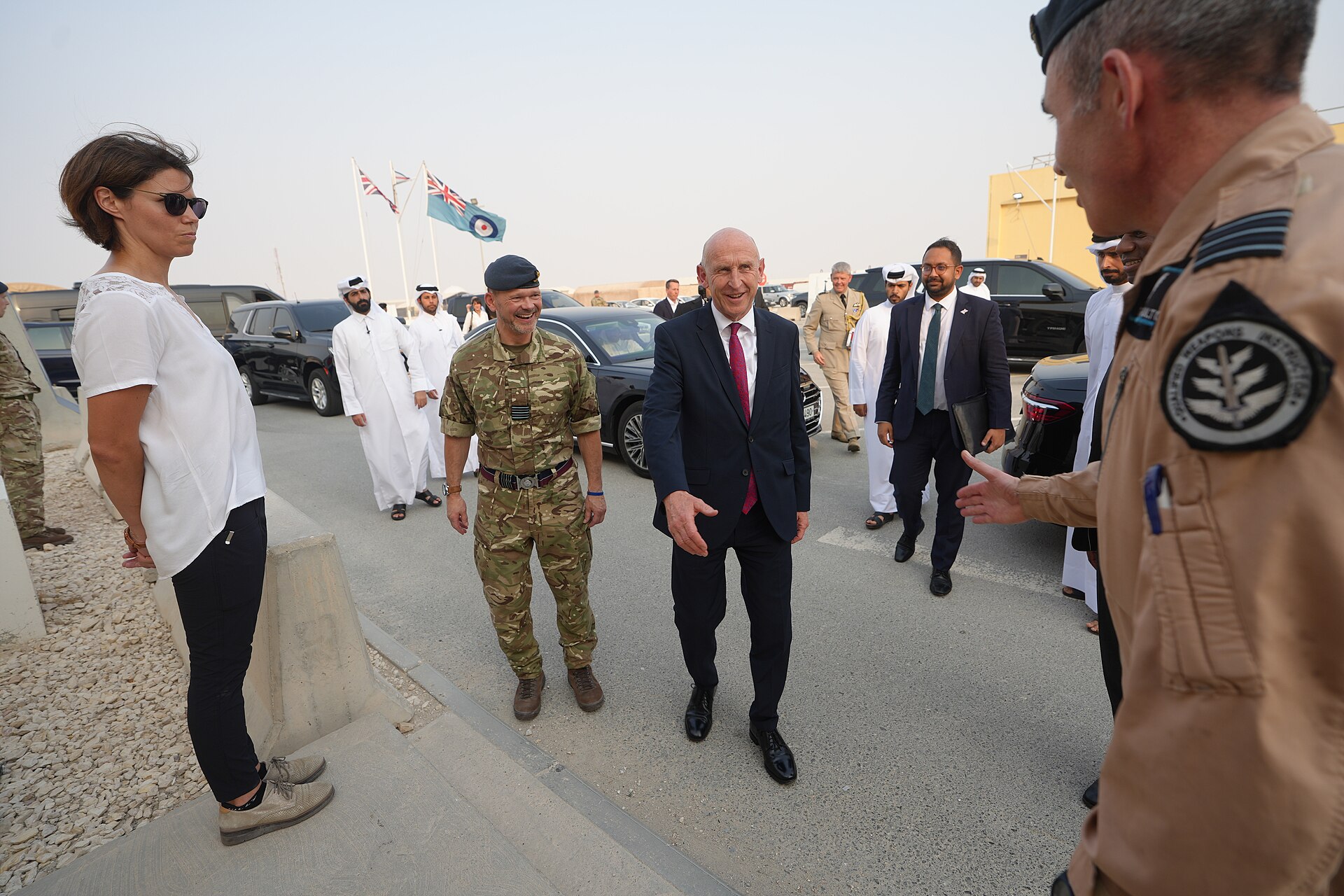
Corbyn’s bill was first introduced last year and was rejected by Starmer’s government at its second reading. It sought an examination of the UK’s cooperation with Israel since the war began in October 2023, including the supply of weapons and components, surveillance flights and the use of Royal Air Force bases, in particular RAF Akrotiri in Cyprus.
The Ministry of Defence has previously said that RAF surveillance flights over Gaza were unarmed and were intended solely to help locate hostages taken during the Hamas-led attack on southern Israel on 7 October 2023, in which about 1,200 people were killed and 251 taken hostage. The UK suspended around 30 arms export licences to Israel in September 2024, citing a clear risk that items might be used in serious violations of international humanitarian law, but kept an exemption for components for the F-35 fighter jet programme, a decision later upheld by the High Court.
Corbyn’s response
Responding on Tuesday, Corbyn said: “Andy Burnham rightly said that the last Labour government ‘got it wrong’ over Gaza. But his words will mean very little if he doesn’t break with the last government’s shameful record of complicity, secrecy and evasion.”
He compared the situation to the long campaign for an inquiry into the Iraq war. “Many of us will remember in the aftermath of Iraq, the government of the day spent many years resisting attempts to uncover the truth. In the end, they could not prevent the inevitable. Just like Iraq, we will remember those who obstructed the path to justice.”
“The public deserve to know the full extent of Britain’s military, economic and political cooperation with Israel, including arms supplies, surveillance flights and the use of RAF bases,” he said. “If the government has nothing to hide, then why block our efforts to expose the truth?”
In his earlier letter, Corbyn had pointed to Burnham’s call for a ceasefire in October 2023, when, as mayor of Greater Manchester, he spoke out about the suffering caused by the siege of Gaza.
A contested charge
The question of whether Israel’s conduct in Gaza amounts to genocide remains deeply contested. South Africa has brought a case alleging genocide against Israel at the International Court of Justice, which has not yet ruled on the merits. A number of UN experts, human rights organisations and genocide scholars have said Israel’s actions meet the legal definition.
Israel rejects the accusation entirely. Its government says it is fighting Hamas, which it holds responsible for civilian deaths because of its operations in densely populated areas, and that its military acts in accordance with international law. Israel’s supporters in Britain argue that the genocide allegation is politically motivated and disregards the context of the 7 October attack and the continued holding of hostages.
Figures from the Hamas-run health ministry in Gaza, which the UN regards as broadly reliable, put the Palestinian death toll at more than 74,000. The figures do not distinguish between civilians and combatants.
The ‘Gaza Tribunal’
After failing to secure a government inquiry under Starmer, Corbyn set up his own unofficial investigation, the Gaza Tribunal, which heard evidence from international law experts and a former Foreign Office official. Its report, published in March, concluded that Britain had failed to fulfil its legal obligations. The tribunal has no legal standing, and the government has not accepted its findings.
Burnham, who was a member of Labour Friends of Israel during his earlier career as an MP and stood against Corbyn in the 2015 Labour leadership contest, has said that the previous Labour government “got it wrong” over Gaza, but has not set out any change to the UK’s arms export policy.
The decision means Corbyn’s bill is unlikely to progress without government support, as private members’ bills rarely become law without it. Supporters of an inquiry have said they will continue to press ministers, while the government maintains that select committees, parliamentary questions and debates already provide sufficient scrutiny of its policy towards Israel and the war in Gaza.