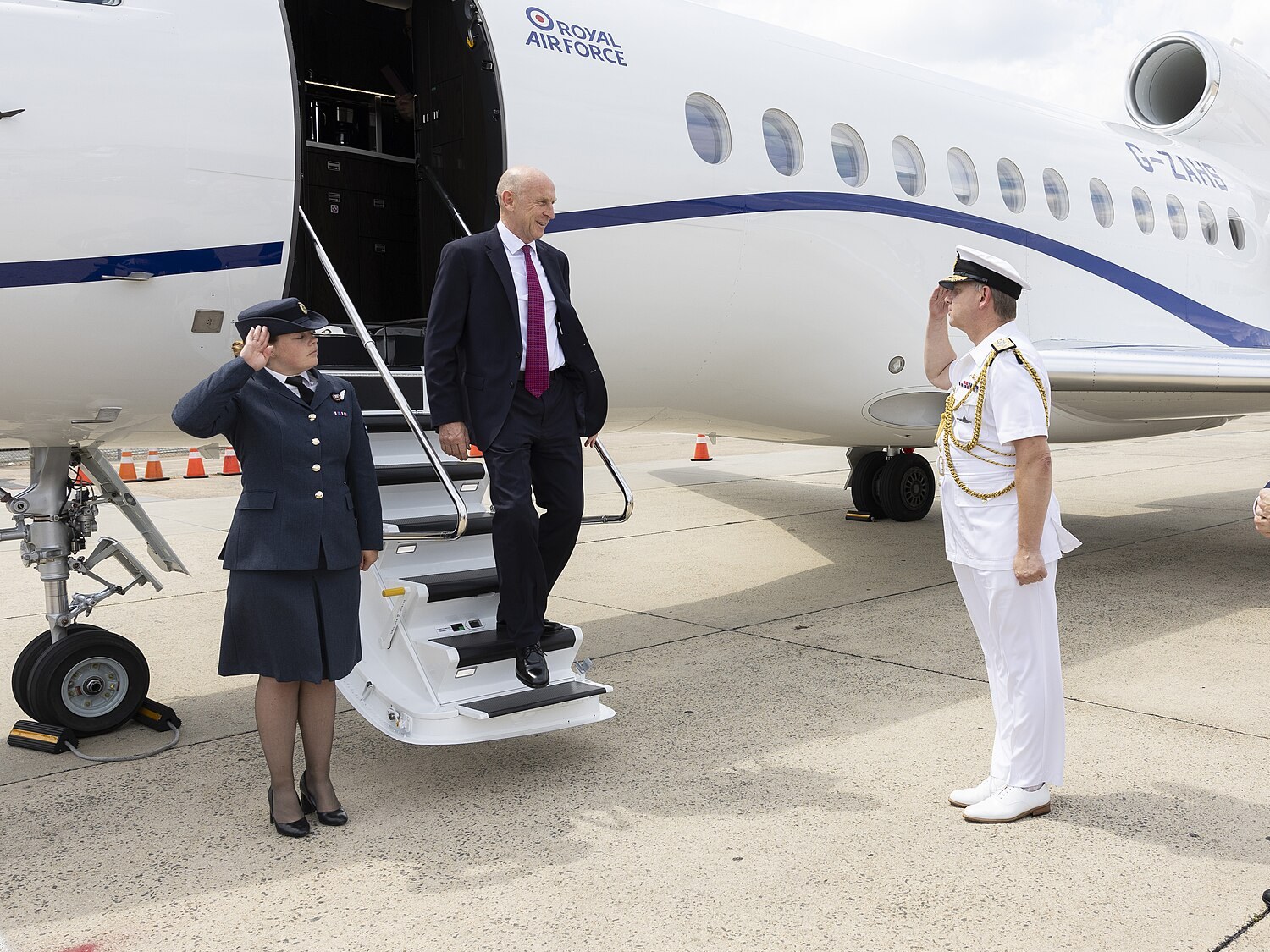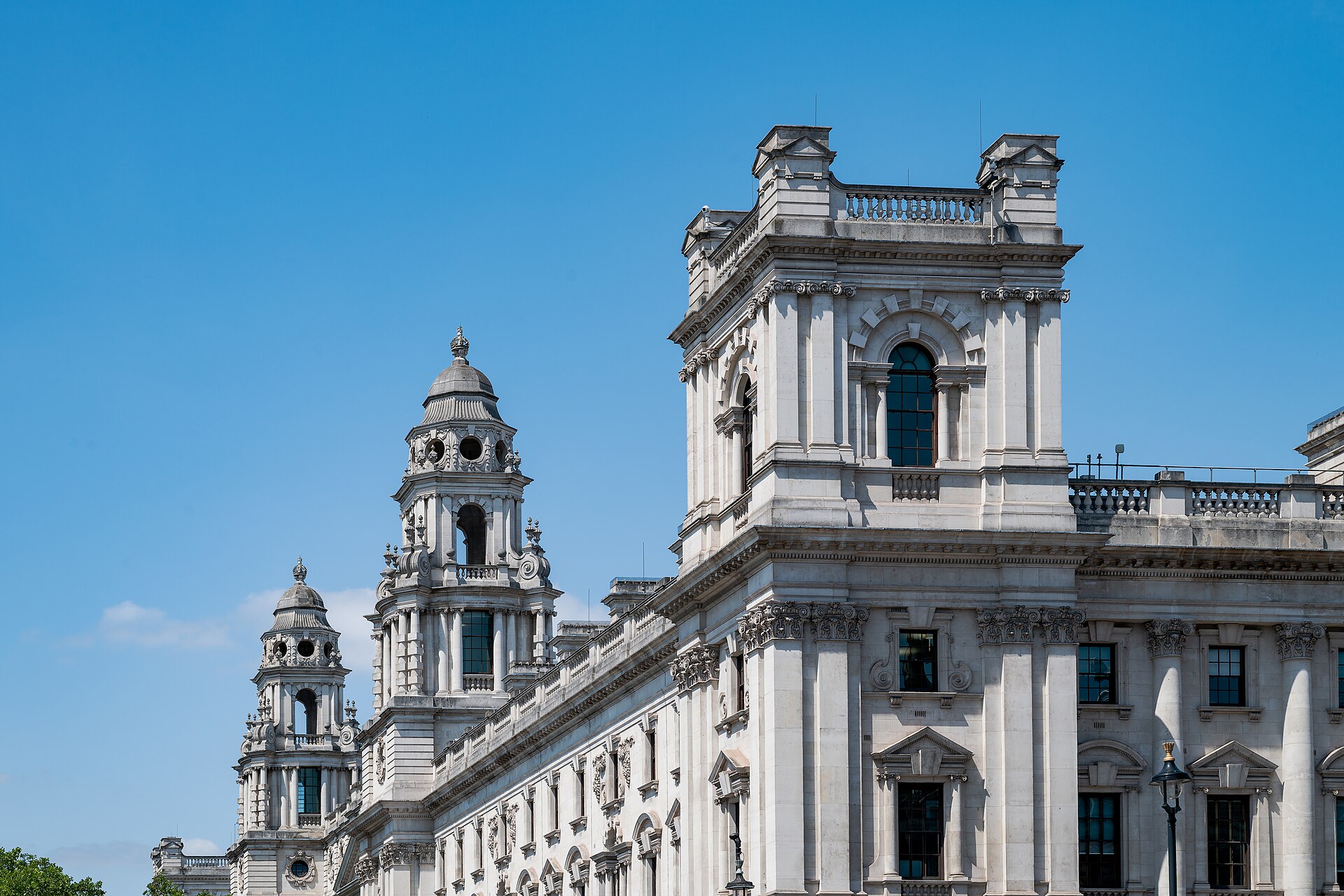
Twenty million households will receive a £100 payment towards their energy bills this winter, Chancellor John Healey announced in his first Budget, as he promised families “breathing space” from rising prices driven by the war in the Middle East.
In a statement to the House of Commons on Wednesday, Mr Healey also said standing charges would be removed from household gas bills, the cut in VAT on electricity would be extended to July, and fuel duty would stay frozen until the same point.
But the government's independent forecaster delivered a sobering verdict on the economy. The Office for Budget Responsibility (OBR) cut its forecast for growth next year from 1.6% to 1%, warning that the conflict had dealt Britain a multibillion-pound blow and triggered a fresh cost of living squeeze.
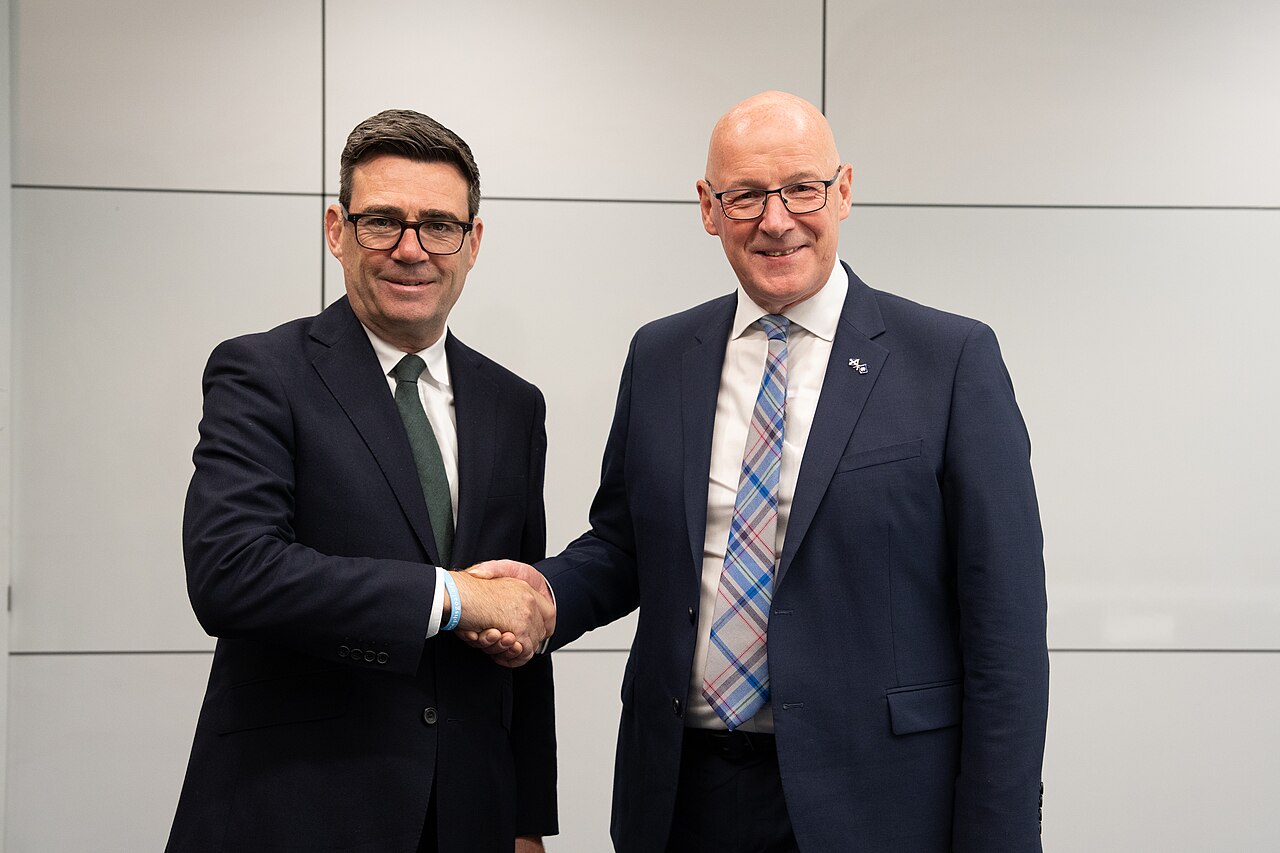
It was the first Budget since Andy Burnham became prime minister in July. Mr Healey opened by saying it was delivered “at a time when global uncertainties and pressures are swirling worldwide and hitting people here at home”, and paid tribute to the fiscal discipline of his predecessor, Rachel Reeves.
Help with energy bills
The £100 payment will go to homes in council tax bands A to D in England, which the Treasury says covers about 20 million households. Equivalent funding will be given to the governments in Scotland, Wales and Northern Ireland, which will decide how to use it.
“Let me say this to families at home,” Mr Healey told MPs. “I know that with the conflict in the Middle East, rising energy bills are a real worry.” He said the payment was designed to help households “through to the spring”.
The longer-term change is to the way gas is charged. Standing charges — the fixed daily fee that customers pay regardless of how much energy they use — will be removed from household gas bills, with the cost moved onto the unit rate instead. That would mean low users, and homes that use little gas in summer, pay less, while heavier users could see the price of each unit rise.
The reduction in VAT on electricity bills, which had been due to end in April, will now run until July. The freeze on fuel duty has also been extended again to July, after petrol reached its highest price since 2022 earlier this month.
Wages, pensions and carers
The legal minimum wage will rise by 3.9%, which the government says will lift the pay of about 2.3 million workers on the national minimum and national living wage.
Low-income pensioners will get a new tax-free allowance, so that anyone whose income is no more than the value of the full new state pension will not pay income tax. The change answers a long-running concern that frozen tax thresholds would pull people living on the state pension alone into paying tax.
Measures trailed before the Budget were confirmed. Unpaid carers will no longer lose their entire Carer's Allowance when they earn more than £204 a week after tax; instead the benefit will taper away gradually. The 55p-a-mile tax-free rate for the first 10,000 business miles becomes permanent, and the rate above that distance rises from 25p to 35p. Parental pay will be extended to self-employed fathers and to parents in same-sex couples.
Import taxes will be removed on more than 100 products, including food items such as gherkins and marmalade, as well as kerosene and fertilisers.
Banks, shops and gambling
To help pay for the package, the surcharge that banks pay on their profits will double from 3% to 6% for 15 months from January.
High Street shops in England will get relief on business rates, with the threshold at which they start paying rising from £12,000 to £18,000 of rateable value. Adult gaming centres and vape shops will be excluded from the relief. Tax on higher-stakes gambling machines will rise from 20% to 25%, and online marketplaces such as Amazon, eBay and Temu will face tougher rules to stop sellers on their platforms avoiding VAT.
Mr Healey also set out a shift of money and power to England's regions. Mayors will keep 20% of business rates revenue from next year, with all business rates retained locally by the end of the decade, and a share of income tax receipts will go to mayors from 2028. Regional bodies will receive £285m next year for housing, transport and High Streets, and the government will work with mayors on a £1.5bn borrowing facility for larger projects.
The state of the public finances
The Chancellor said Labour would keep its manifesto promise not to raise taxes on “working people”, and that the deficit would be cut within three years. He said the government would have £15bn of headroom against its fiscal rules in 2029-30, rising to £22bn in 2030-31.
The OBR's figures show how narrow that path is. It expects the government to spend £14bn more on debt interest this year than previously forecast. Growth this year was nudged up from 1.1% to 1.2%, but the downgrade to 1% for 2027 was the standout number. Borrowing is forecast at 4.2% of national income this year, falling to 3.4% next year.
Financial markets reacted calmly. The pound was little changed after the statement, trading at about $1.33, with traders seeing no sign of a fiscal shock but little in the Budget to transform Britain's growth prospects.
'He has failed his own test'
Conservative leader Kemi Badenoch used her reply to attack Mr Healey over defence. She reminded MPs that he resigned as defence secretary from Sir Keir Starmer's cabinet in June, saying at the time that a date for spending 3% of national income on defence by 2030 was what Britain must set.
“He has failed his own test. This is on him and no one will ever forget,” Mrs Badenoch said, branding him the man “making our country less safe”. “If he had any decency, he would resign again today.” The Budget did not set out a plan for reaching 3%.
What it means in Scotland
Many of the measures apply across the UK, including the changes to gas standing charges, VAT on electricity, fuel duty, the minimum wage, the bank surcharge and the new allowance for pensioners, which uses the UK-wide personal allowance that Westminster controls.
The £100 energy payment itself is for England, but the Scottish government will receive equivalent funding. Ministers at Holyrood will now have to decide whether to pass it on to households in a similar way or spend it differently. Business rates relief and the new powers for mayors apply in England only.
Scotland's whisky industry had been watching closely, after the Scotch Whisky Association and First Minister John Swinney called for a cut in spirits duty, which is set at Westminster. Producers will now study the detailed Budget documents published by the Treasury for any change.
Mr Healey called his plan “breathing space for today, hope for the future”. With growth forecast to slow sharply next year and borrowing costs still high, the coming months will show how much of that breathing space households actually feel.