Scotland is preparing for its biggest police operation since Donald Trump's visit last summer, as officers brace for a “unique” mix of fireworks disorder, a major European football match and possible protests in Glasgow on Bonfire Night.
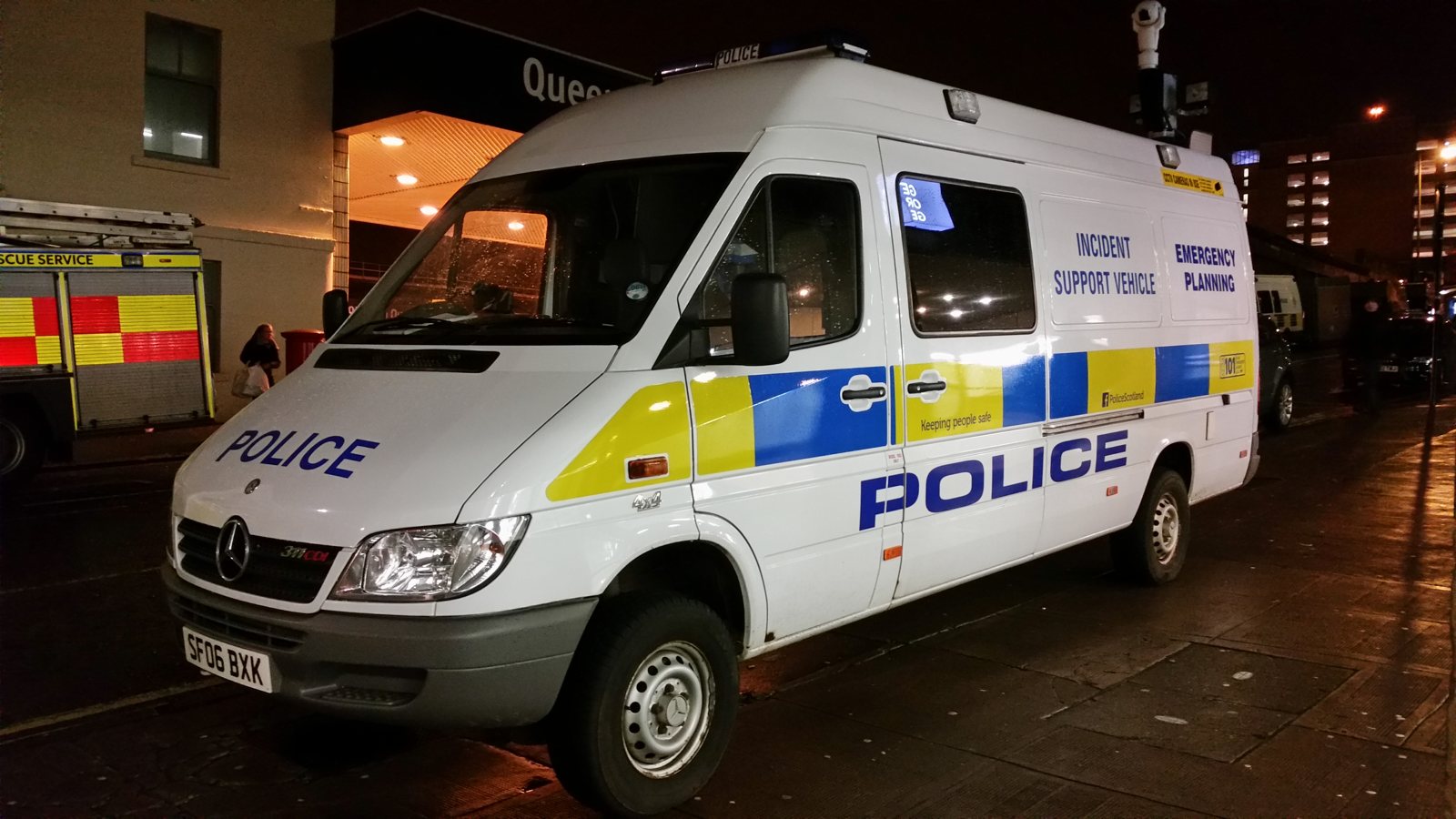
As many as 1,700 officers could be deployed on and around 5 November under a plan called Operation Amberlight. Extra public order vehicles and drivers are being brought north from 18 police forces in England and Wales under mutual aid arrangements, in which forces lend each other officers and equipment when demand is high.
Police Scotland said the operation was intended to keep the public and emergency workers safe, and repeated its warning that anyone caught up in disorder around Halloween and Bonfire Night would face “very real consequences”.
Three challenges on one night
Bonfire Night is already one of the busiest nights of the year for the force. Every autumn since 2018, local divisions have been backed by specialist officers under Operation Moonbeam, the national response to fireworks-related crime, which is now in its ninth year.
This year, two further pressures fall on Scotland's biggest city on the same evening. Celtic play Turkish side Beşiktaş in the Uefa Europa League at Celtic Park, a fixture that will bring thousands of home and away supporters into the east end of Glasgow.
Officers also say they are aware of images circulating online that suggest “planned protest activity” in Glasgow that night. The force has not said what the protest is about or how many people it expects.
Rather than treat the three events separately, Police Scotland is running what it calls “one overarching policing operation” so that resources can be moved quickly between the stadium, the city centre and the neighbourhoods where trouble has flared in the past.
Chief Superintendent David Robertson, the gold commander for Operation Amberlight, said: “Bonfire Night remains one of the busiest nights on the calendar for Police Scotland. We are committed to supporting local policing divisions with dedicated nationally co-ordinated specialist capabilities.”
He added: “Operation Amberlight builds on what is already in place to further enhance our capability and capacity to respond to the unique challenges we may face on 5 November. Whilst we have seen improvements in recent years, we are not complacent, and with these additional challenges, our enhanced model will see the largest deployment of police forces since the visit of President Trump.”
Petrol bombs and fireworks
The scale of the plan reflects the violence of recent years. The worst Bonfire Night disorder came in 2023, when more than 60 officers were injured across the country. In the Niddrie area of Edinburgh, youths threw petrol bombs and fired fireworks at police lines, and similar scenes were reported elsewhere in the capital.
Fire crews were targeted the same night in Dundee, Glasgow, Blantyre in South Lanarkshire and Blackburn in West Lothian. Around Halloween in 2024, another officer was injured in Niddrie and bus services were withdrawn from the area, even though police had seized a cache of fireworks and petrol in raids carried out beforehand.
Police said there were fewer attacks on emergency workers last year, but residents in some parts of Glasgow still described their streets as feeling like a “warzone”.
Firework control zones return
For the second year, firework control zones will be in force in parts of Edinburgh and Glasgow. Inside the zones it is a criminal offence to set off a firework, or to throw one into the area. The Edinburgh zones run from 30 October to 8 November, and Glasgow's until 9 November.
The zones were introduced under Scotland's Fireworks and Pyrotechnic Articles Act, which also restricts the days on which fireworks can be sold and used by the public. Councils chose the areas after consulting residents, focusing on places with a history of anti-social behaviour.
The force said it would use the extra officers to respond quickly to reports of fireworks being thrown at people, vehicles or buildings, and to gather evidence for prosecutions after the event. It urged parents to know where their children are and asked the public to report anyone storing or selling fireworks illegally.
How it compares
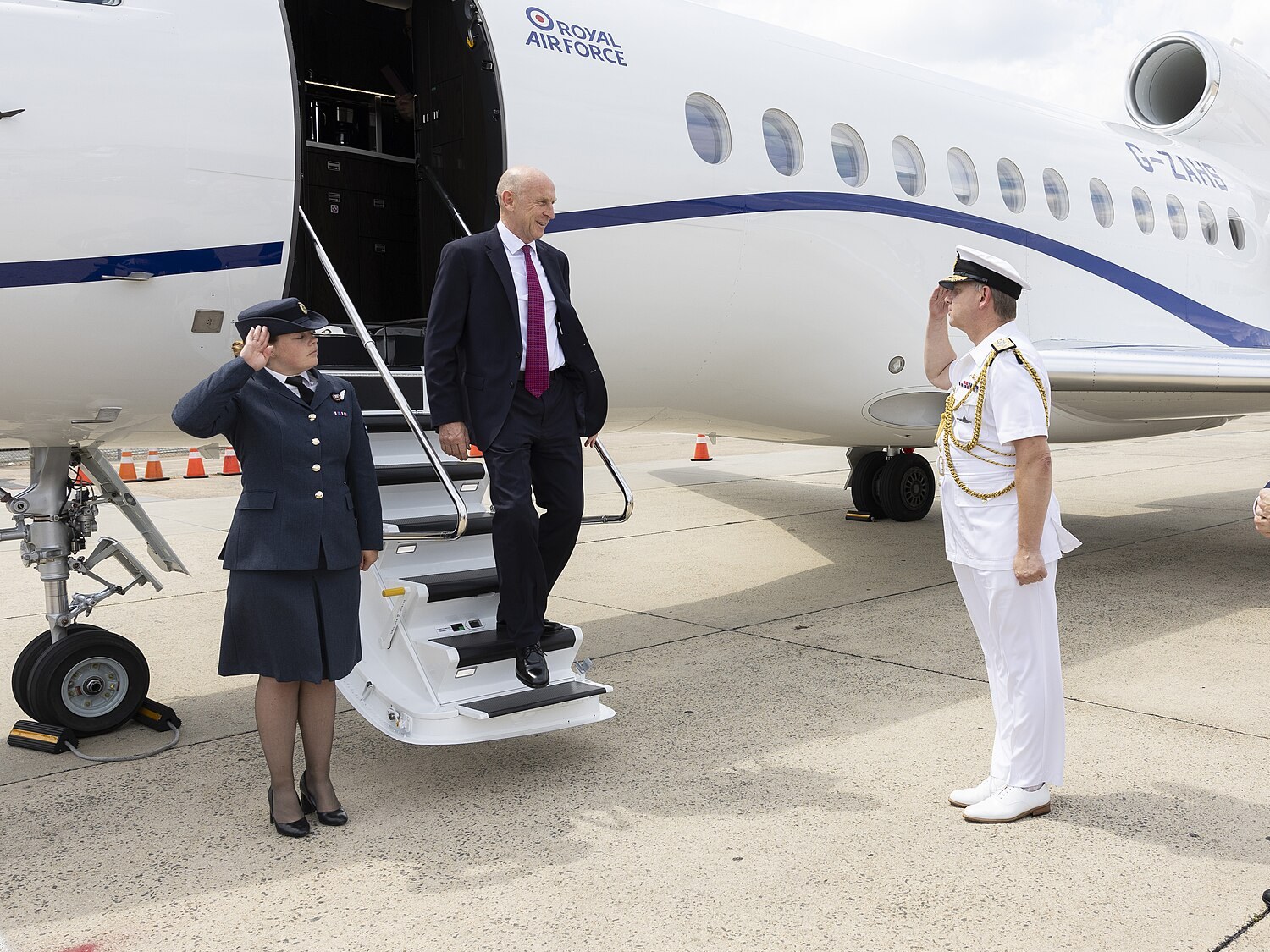
The comparison with Mr Trump's visit gives a sense of the scale. Operation Roll 2, the policing of the president's stay at his Turnberry and Aberdeenshire golf resorts in July 2025, involved 7,340 officers and cost about £21m.
Operation Amberlight is much smaller than that, but it is still an unusually large deployment for a single night of ordinary policing. Bringing in vehicles and drivers from England and Wales means Police Scotland can keep its own public order units on standby without stripping officers from response teams in other parts of the country.
The force has not yet published the cost of the operation. Bonfire Night falls on a Thursday this year, and the firework control zones will remain in place through the following weekend, when many organised displays are due to take place.