Every household in Britain is being urged to keep up to nine litres of bottled water per person and three days’ worth of food at home, under new government guidance designed to help families survive a serious storm, cyber-attack or other emergency.
The Be Ready campaign, run by the Cabinet Office, asks people to prepare supplies to last 72 hours. It comes amid growing official concern about the climate crisis, Britain’s dependence on fragile technology and the threat from hostile states.
It is one of the most direct public safety campaigns issued by a UK government in decades, bringing Britain into line with France, the Republic of Ireland and the Netherlands, which already advise citizens on how to prepare for serious disruption.
What households are told to keep
The guidance says three litres of water should be stored per person for each day, for drinking alone, with more needed for cooking and washing. Over three days that comes to nine litres for each member of the household.
Alongside water and food, families are advised to keep blankets, a first aid kit, a torch with spare batteries, a wind-up FM radio and some cash, in case card payments and cash machines stop working.
Officials had signalled in August that people would be asked to stock up on tinned food, but the final campaign is more specific. It will be followed by advertising on social media and radio. On Friday, however, ministers said the government would not be issuing a detailed “shopping list” of products.
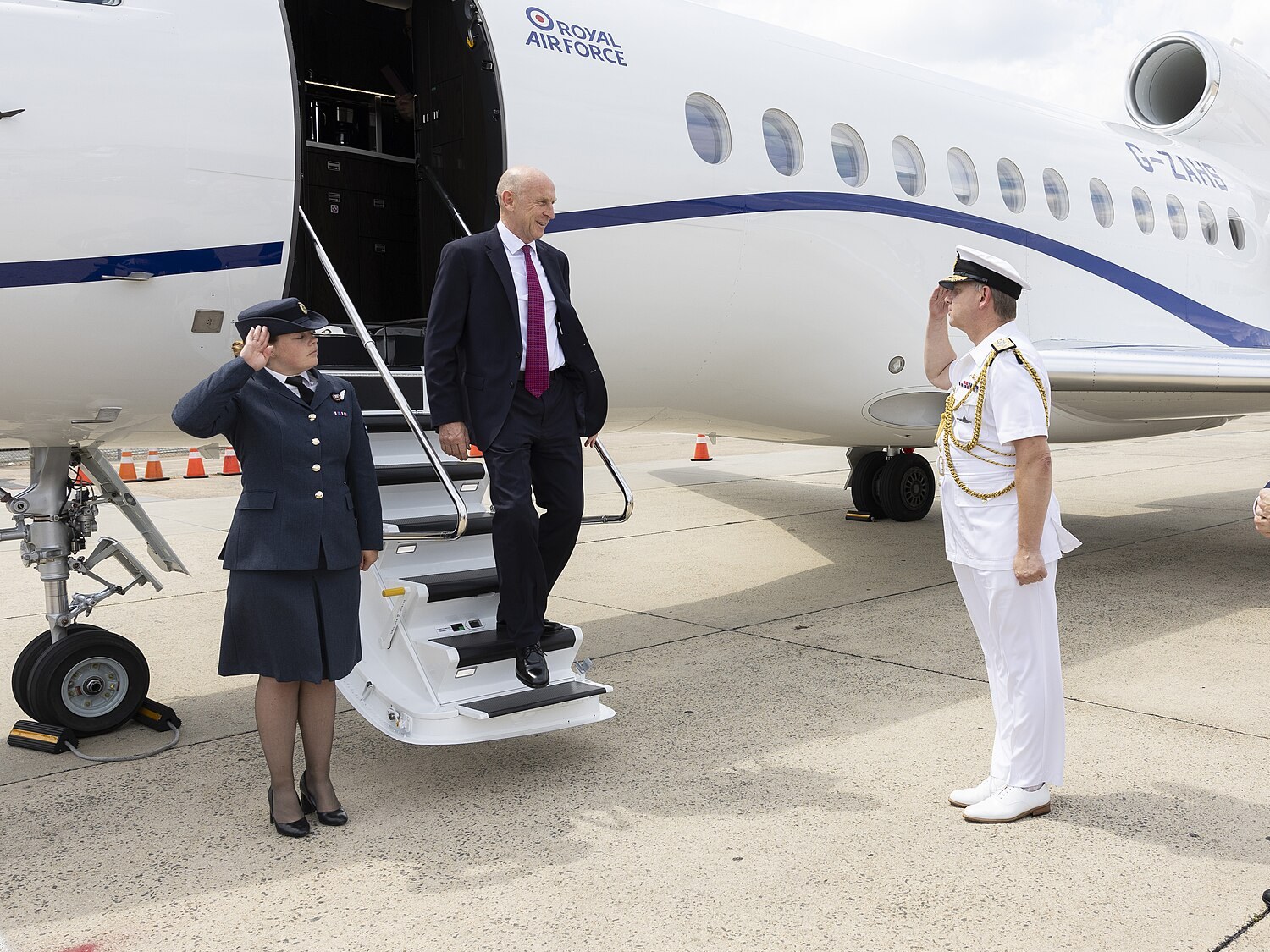
Dan Jarvis, the security minister, said “those who can follow this advice should follow this advice”. He described the measures as “simple steps to be ready for everyday emergencies” and part of a wider effort “to improve our resilience as a nation”.
‘State-sponsored terrorism’
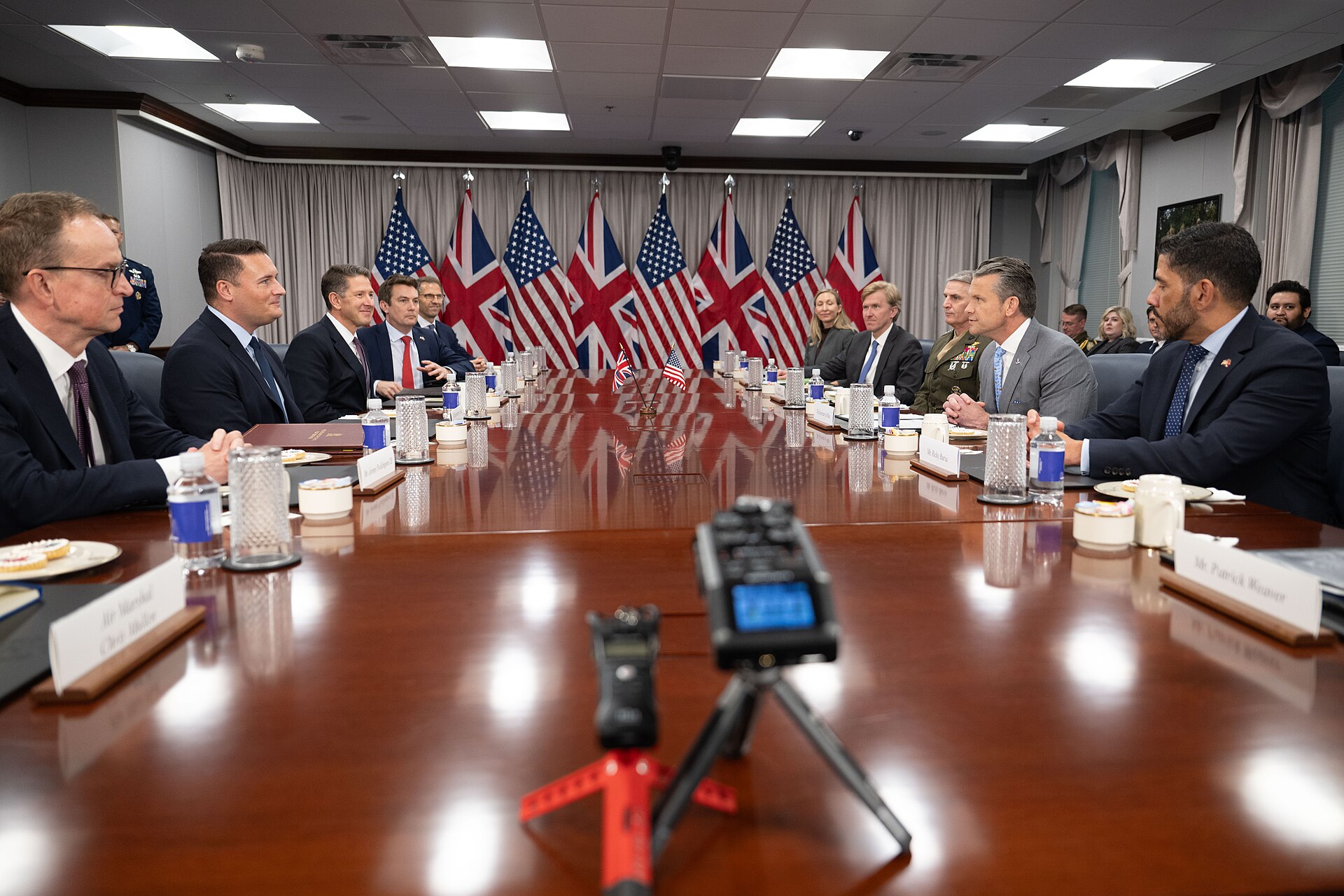
Wes Streeting, the defence secretary, went further, warning that Britain must prepare for deliberate attacks by Russia or other hostile powers on the infrastructure that daily life depends on.
“Terms like ‘hybrid warfare’ and ‘grey zone threats’ do not accurately capture or convey to the general public what I prefer to describe as ‘state-sponsored terrorism’,” he said. “So in the face of those threats, which are not hypothetical but real, and not somewhere else but increasingly here, we have to step up and take seriously our national resilience as well as our national defence.”
He added: “It’s really important that we ask households and businesses, are they prepared? Are they ready? Do they know how they would respond in the event of everyday challenges that might manifest themselves?”
Mr Streeting was speaking at the opening of a new tank gun barrel factory in Telford, Shropshire, run by the German defence manufacturer Rheinmetall, alongside the head of the armed forces, General Sir Roland Walker. The factory is part of a push to speed up rearmament in the face of Russian military threats.
He said cyber-attacks could knock out payment systems used by businesses or cause supply chains to collapse. Royal Navy ships have tracked Russian vessels monitoring the undersea pipelines and cables that link Britain to mainland Europe, raising fears they could one day be targeted, although officials say that would be a major escalation by Moscow.
Across Europe, governments have become increasingly vocal about sabotage. In August, an explosives-laden drone was found next to a Ukrainian cargo plane at Leipzig airport in Germany, and there have been a series of explosions and fires at defence sites.
Storms, blackouts and a broken internet
Ministers timed the launch to come before the winter storm season, which began early this year with Storm Austen arriving on Friday and Storm Boelo forecast for the weekend. In January, Storm Goretti left tens of thousands of homes in the Midlands, south-west England and Wales without power, with winds of nearly 100mph.
Officials are also worried about a “super El Niño”, which could make 2027 the hottest year on record and disrupt global food supplies and energy systems.
The guidance was published on the same day that 32 UK government websites were taken offline as a precaution after a serious security flaw was found in PHP, a programming language used by millions of websites. The National Cyber Security Centre sent 50,000 alerts to affected organisations.
Officials also point to the blackout that hit Spain and Portugal in April 2025, when about 55 million people lost power for hours after a cascading failure on the grid.
From Protect and Survive to Be Ready
British governments have rarely run campaigns of this kind, with ministers of both main parties wary of being accused of scaremongering. The best-known precedent is Protect and Survive, the Cold War public information campaign of 1980, which told people how to build a shelter at home and keep enough food for 14 days in the event of a nuclear attack.
Ministers stress that the new advice is about ordinary emergencies such as floods, storms and power cuts as much as war. Three days is considered a realistic target for most households, giving emergency services time to reach the most vulnerable people first.
Charities have warned that not every family can afford to buy extra food and water during a cost-of-living squeeze, and the government has said people should build up supplies gradually where they can. Officials also encourage people to check on elderly or disabled neighbours, who may struggle most if the power goes off.