Voters in Alberta have rejected a move towards independence from Canada, according to early results from a province-wide referendum that has divided families, communities and the province’s own conservative movement.
Preliminary figures reported overnight showed about three-quarters of counted ballots on the separation question opposing a binding vote on independence, with roughly a quarter in favour. Canada’s national broadcaster, CBC, projected that the province had decided against holding such a vote. Counting continues, and Elections Alberta has warned that a full tally of every question could take up to 48 hours.
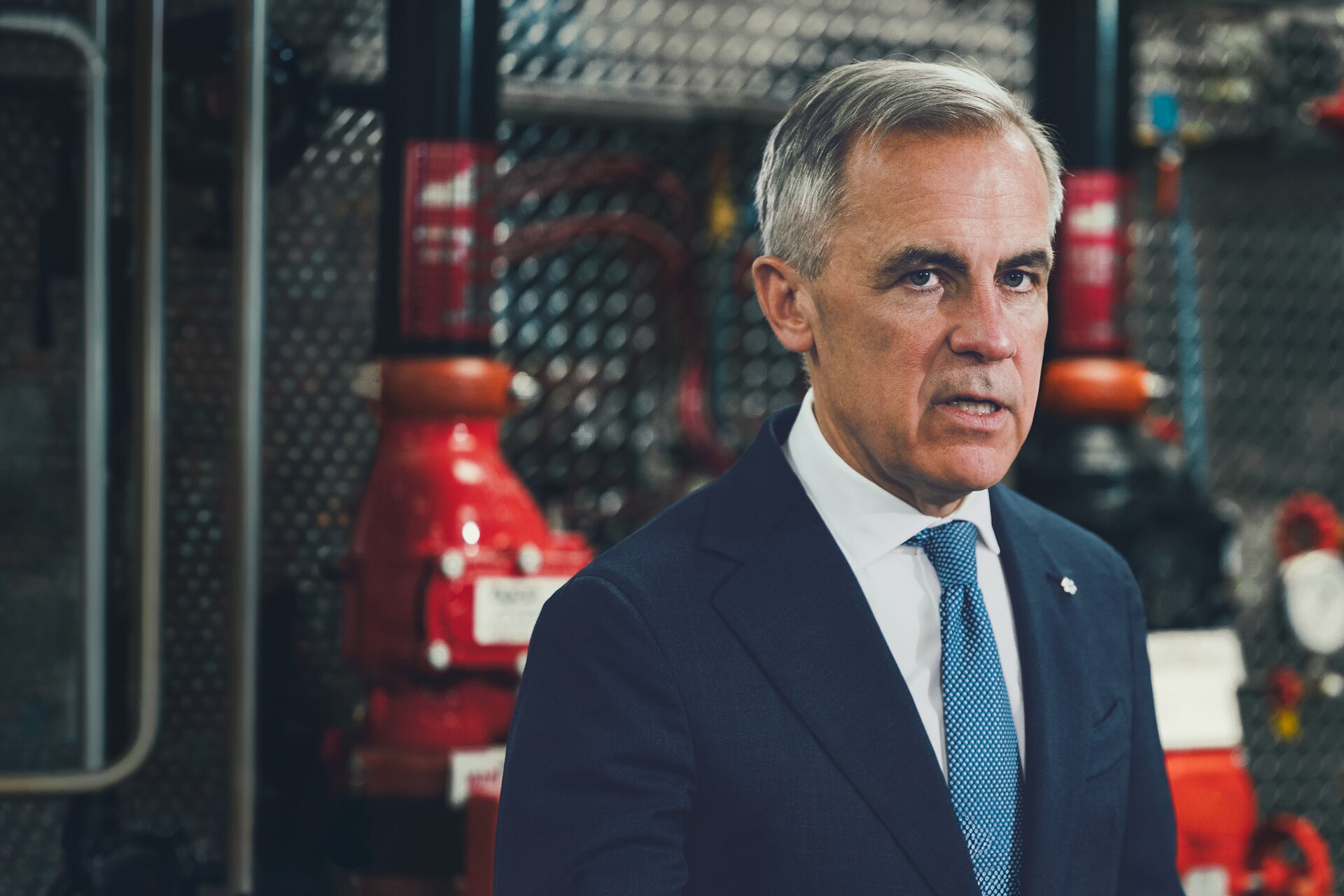
Prime Minister Mark Carney said Albertans had made “a clear choice”. In a statement issued as results came in, he said they had chosen unity and to build together. “Above all, Albertans chose Canada,” he said, adding that the country would move forward “with renewed purpose and high ambition”.
Carney, whose Liberal government has been the main target of separatist anger, used his statement to point to trade deals and major infrastructure projects, describing Canada as a global energy superpower “with Alberta at its core”.
Premier promises address on next steps
Alberta’s Premier, Danielle Smith, said she was very pleased that initial results showed widespread support for remaining in Canada. “Albertans have voted for a stronger Alberta in a united Canada,” the United Conservative Party leader wrote on social media. She said she would make an address on Tuesday evening on the results and where the province goes next.
Smith had said before polling day that, if voters rejected the separation question, no independence referendum would be held while she remained in office. Although her party’s base includes many supporters of separation, she has said she favours Alberta staying in Canada while arguing that Ottawa must address the province’s grievances.
Ten ballots for every voter
Monday’s vote was unusually complex. Each voter received 10 colour-coded ballots, one for each referendum question, and all are counted by hand. Question 10, on whether to proceed towards a binding independence referendum, was counted first because of the intense interest in the outcome.
The other nine questions, which have been overshadowed by the separation debate, deal largely with immigration powers and constitutional changes. Five concern greater provincial control over immigration. Others would require amendments to Canada’s constitution, including one calling for the abolition of the unelected federal Senate, a change that would need the agreement of Parliament and all 10 provinces. Carney had urged voters to “vote no to the nine”.
Some polling stations opened late and stayed open for up to two hours beyond the scheduled close, delaying the start of the count across parts of the province.
Separatists vow to fight on
At a pro-independence gathering in Edmonton, the mood shifted quickly as the first results appeared on television screens. Supporters who had predicted a strong showing began packing up and leaving, according to reporters at the event.
Mitch Sylvestre, one of the organisers of the citizen-led petition that triggered the referendum, had said before the result that his movement would have to “re-evaluate” if it lost heavily. But he argued that a great deal of work would be needed to end the conversation about independence, saying Alberta had been “abused for 10 years” by the Liberal government in Ottawa.
Leaders of the separatist movement have signalled that they plan to challenge Smith within the United Conservative Party in the hope of installing a leader more sympathetic to their cause. It is not clear whether they have the support to succeed.
Grievances that will not disappear
Supporters of separation argue that Alberta, which holds some of the largest oil reserves in the world, has been overlooked and held back by federal environmental policies. Opponents told reporters at polling stations that they feared an independent Alberta would be vulnerable to outside influence, including from the United States.
Indigenous Albertans had campaigned for months to block the vote, arguing that separation would violate historic treaties with the Crown. Volunteers for the remain campaign, Forever Canadian, described the debate as divisive and said it had strained relationships between neighbours and lifelong friends.
Canada has faced challenges to its unity before. Quebec held independence referendums in 1980 and 1995, and the second was lost by the narrowest of margins, with 50.58% voting no. Alberta’s separatists have openly drawn inspiration from Quebec, where a newly elected provincial government has pledged a third referendum by 2030.
For now, Ottawa can claim a decisive result. But with full counts still to come and separatist leaders promising to continue their campaign, the question of Alberta’s place in the federation is likely to shape the province’s politics for years.