Drivers are to be given new rights to challenge private parking charges, with guaranteed grace periods and lower penalties for honest mistakes, under a government code of practice that Prime Minister Andy Burnham says will put a stop to “rip-off” fines.
The new private parking code will apply in England, Scotland and Wales and is expected to come into force by the end of this year. For the first time, it will be backed by a fully independent scrutiny and oversight board.
“Being a few minutes late back to your car or typing one digit of your number plate wrong shouldn’t end with a hefty fine landing on your doormat,” Burnham said. “These charges leave people feeling ripped off and out of pocket, so I’m putting a stop to them.”
What changes for drivers
Under the code, motorists will have a guaranteed five minutes on arrival to decide whether to park, and 10 minutes to leave a car park after their paid session ends without facing a penalty.
Charges must be cancelled for problems drivers cannot control, such as a vehicle breaking down in a car park, and for honest mistakes including stopping briefly to check directions. Medical emergencies and broken ticket machines will also be grounds for cancellation.
For minor slip-ups, such as forgetting to display a parking permit, entering the wrong registration or failing to confirm a registration at the machine, the maximum charge on appeal will be £20. The overall maximum parking charge will be frozen at £100, the same limit set out in the current industry code.
Operators that fail to comply risk losing access to DVLA data, which would make it far harder for them to trace the owner of a vehicle and pursue a charge.
Record number of tickets
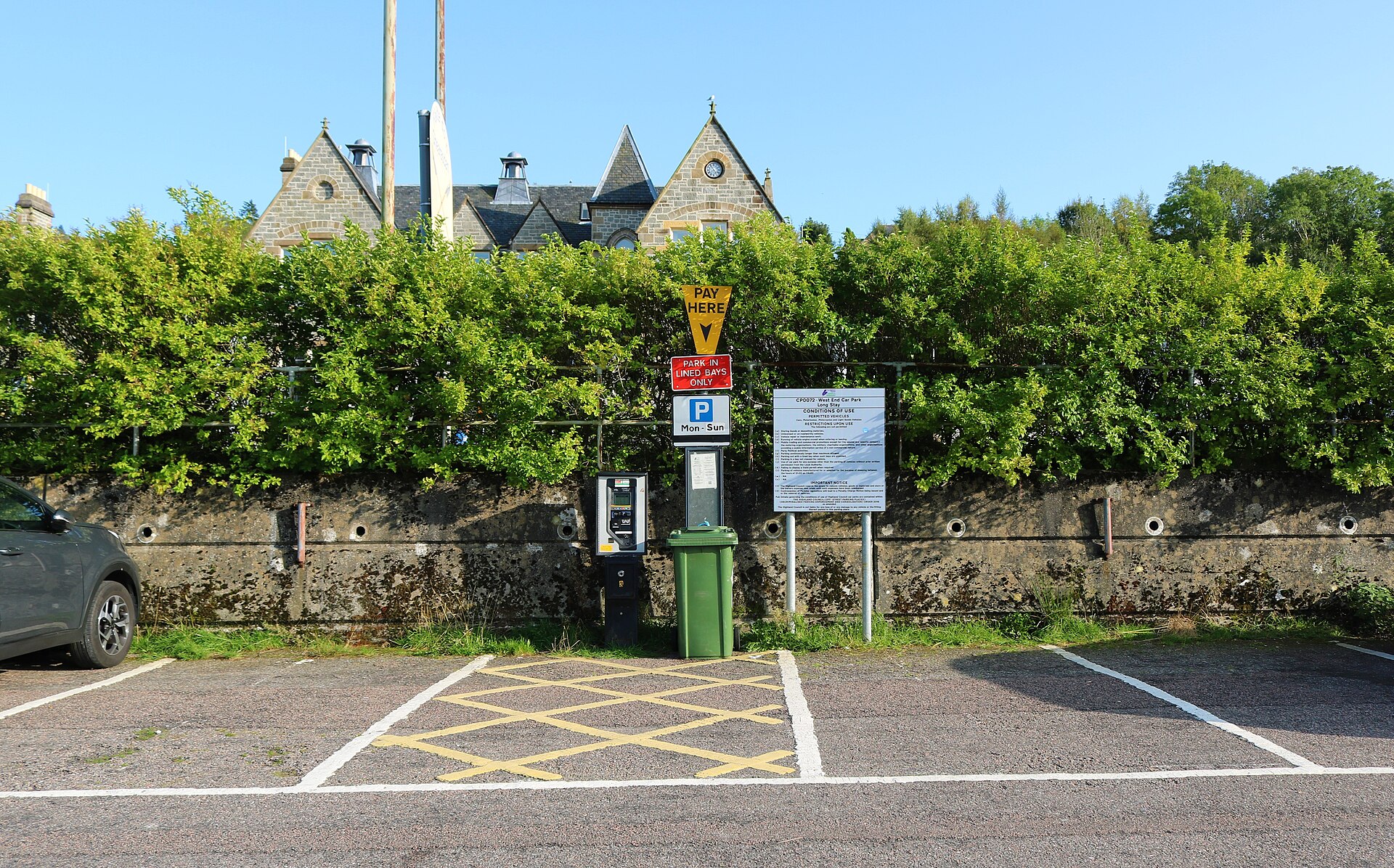
Private car parks, such as those at supermarkets, retail parks and hospitals, are run separately from council-owned car parks and on-street parking. Analysis of government data by the RAC Foundation and the Press Association found that a record 17 million private parking tickets were issued in 2025–26, a 17% increase on the previous year. With each charge worth up to £100, drivers could collectively face more than £4.6m in charges each day.
In one case highlighted by campaigners, a woman faced a court claim of £1,906 after taking longer than five minutes to pay at a car park in Derby. The charge was eventually dropped. The AA says some drivers pay even when they have done nothing wrong to avoid the hassle, fearing they will not get a fair hearing or will face legal action.
Seven years in the making
Parliament passed legislation to create a statutory code in 2019, but a first version was withdrawn in 2022 after what the RAC described as resistance from the private parking industry. In the meantime, the industry has operated under its own code, introduced in 2024 by the British Parking Association and the International Parking Community and updated last year.
Derek Millard-Smith of the British Parking Association said the group welcomed the changes because they would “increase trust”. Asked about calls to cut the maximum charge, he argued that “deterrents work”, comparing parking penalties to fines for dog fouling, fare dodging and littering.
Motoring groups want more
The AA and RAC both described the code as a good first step but said it did not go far enough. Jack Cousens, head of roads policy at the AA, said there was still “a huge amount of work to do, such as tackling the scourge of debt recovery fees”. “Ultimately, we need to stop charges being issued in the first place, especially where the driver has done nothing wrong,” he said.
Simon Williams, head of policy at the RAC, also called for debt recovery fees to be banned and for the current industry-run appeals services to be replaced with a single independent body. Nonetheless, he said, finally having a code was positive. “While this isn’t quite the Christmas present we wanted for drivers, it should hopefully save many the stress of having to challenge unfair tickets,” he said.
The government said it would consult on debt recovery fees and on other recommendations from the Competition and Markets Authority. For drivers in Scotland, where private car parks are common at retail parks, hospitals and railway stations, the new protections will apply in the same way as elsewhere in Great Britain once the code takes effect.