Yemen's internationally recognised government says its forces have recaptured the strategic Red Sea port city of Mokha from the Houthis, as a major Saudi-backed offensive pushes towards the Bab el-Mandeb strait and the Houthis claim missile and drone strikes deep inside Saudi Arabia.
The fighting has become the most active front in the wider Middle East war in recent weeks. The United Nations says more than 184,000 people have been displaced.
The Houthis have reportedly denied that Mokha has fallen, and the government's claims could not be independently verified.
Operation Yemen Dawn
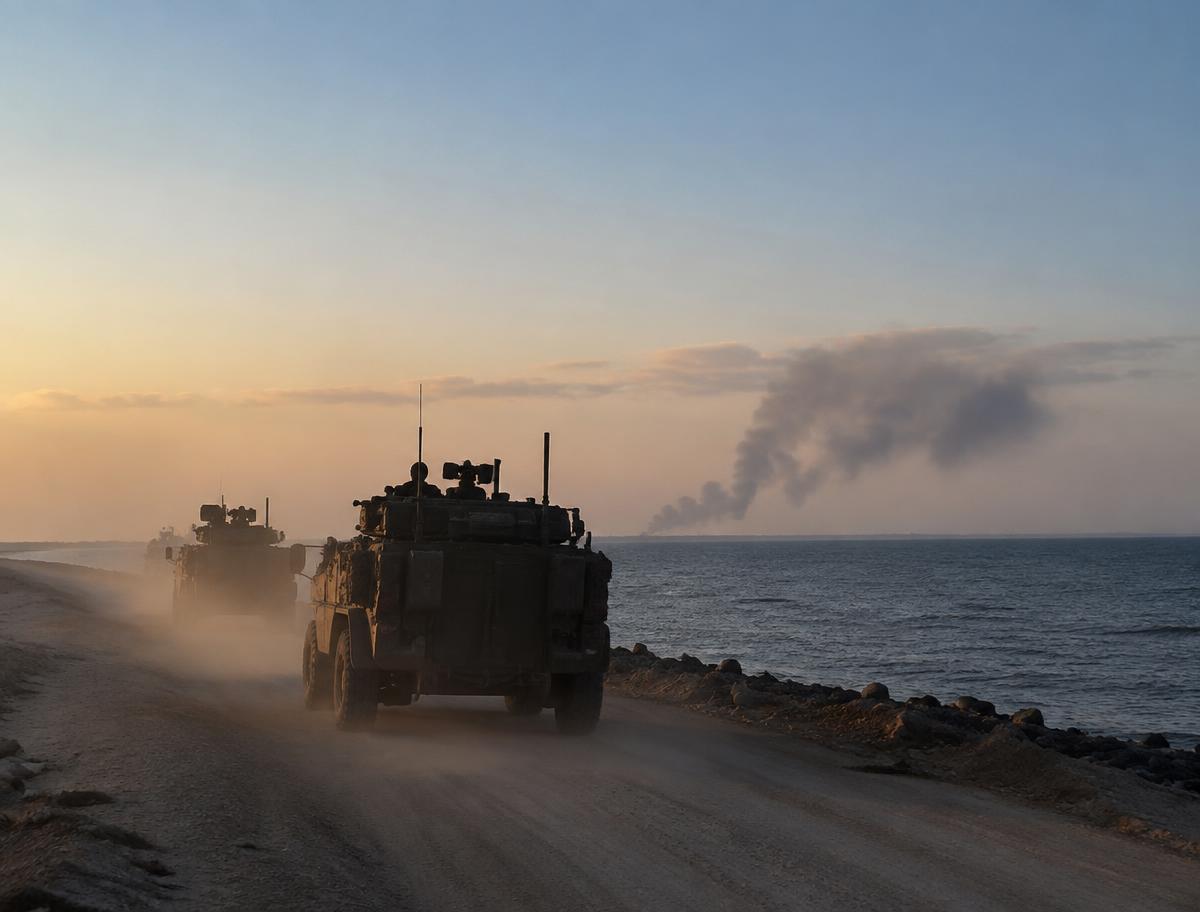
The government push, under the name Operation Yemen Dawn, began early on Monday with air cover from a Saudi-led military coalition. The coalition said 100 warplanes flew sorties at dawn, while the Yemeni military said it had carried out more than 1,000 strikes.
Officials allied with the government said their forces had retaken the town of Dhubab, just north of the strait, as well as the towns of Bab and Hadeid. Witnesses said they saw government tanks and troops entering the towns. The government also said it had launched a "strategic offensive" on the capital, Sanaa, which the Houthis have held since 2014.
Coalition spokesman Turki Al-Malki said naval forces had hit Houthi military targets in Hodeidah on the Red Sea coast, destroying weapons depots, facilities storing booby-trapped boats and naval mines, and thwarting a planned attack on shipping in the southern Red Sea.
Houthi strikes on Saudi Arabia
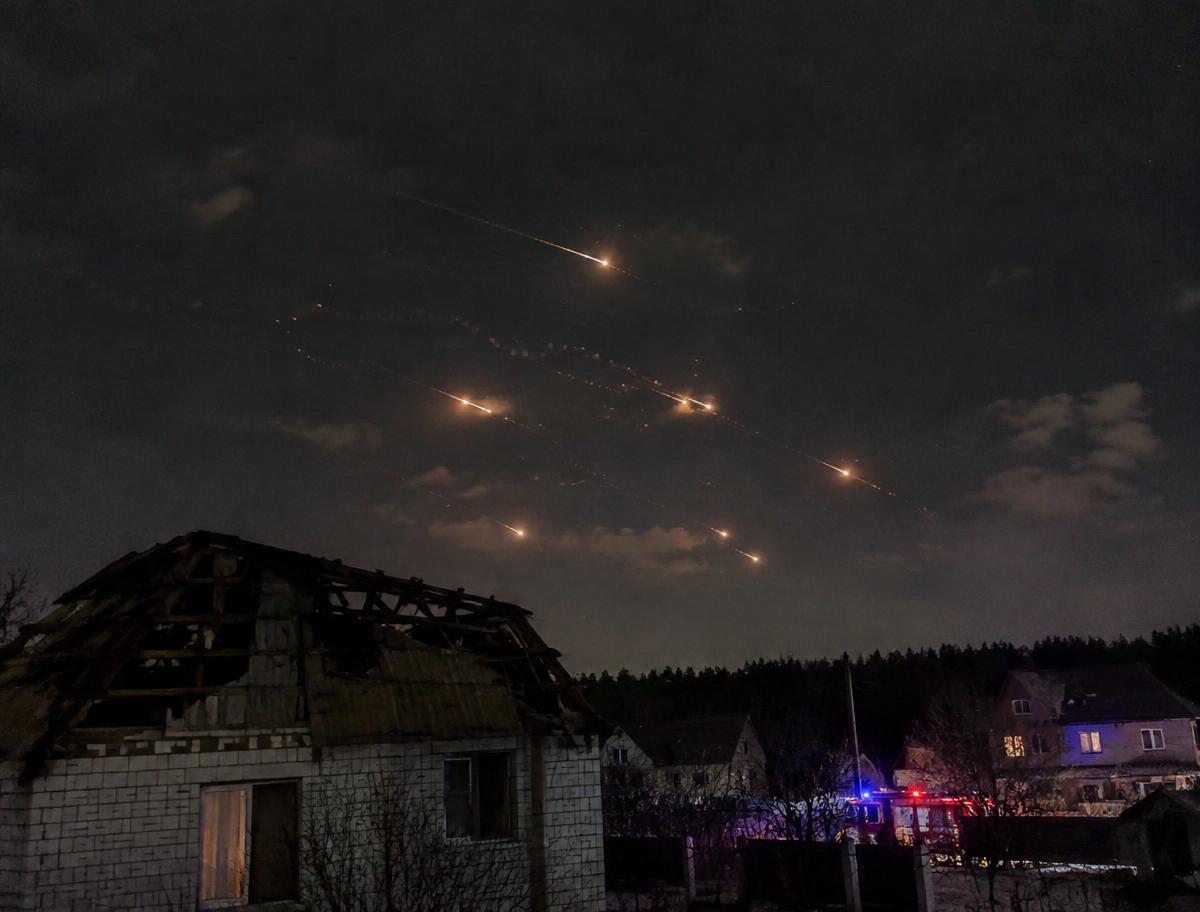
The Houthis responded with a wave of attacks on the kingdom. Their military spokesman, Brigadier General Yahya Saree, said in a pre-recorded statement that the group had used ballistic and cruise missiles and drones against King Khalid International Airport in Riyadh, an oil refinery and military bases.
Saudi Arabia's Jazan and Najran airports were also attacked, with injuries and damage reported. The full extent of the damage from the claimed strikes on Riyadh has not been independently confirmed.
The Houthis, who are backed by Iran, have been attacking Saudi Arabia since Yemen's civil war flared back to life and have declared a maritime blockade on Saudi ships.
Why Mokha matters
Mokha lies about 75km north of the Bab el-Mandeb, the narrow strait linking the Red Sea to the Gulf of Aden and one of the world's most important shipping routes. The town, historically the region's chief coffee-exporting centre and the origin of the word mocha, was seized by the Houthis in early September, along with swathes of the coastline.
That advance was seen as a major blow to Saudi Arabia because it raised the prospect of the Houthis controlling access to the strait. Control of the coast around Bab el-Mandeb gives whoever holds it the ability to threaten tankers and cargo ships passing between Asia, the Middle East and Europe.
A widening conflict
The war is drawing in more powers. Pakistan and Turkey have pledged to deploy troops to Saudi Arabia under a new mutual defence pact, following weeks of Houthi attacks, and have agreed to activate what were described as deterrence measures.
Markets are watching closely. Brent crude has been trading around $100 a barrel amid fears of further disruption to supplies from the region.
For civilians, the escalation brings fresh danger. Fighting has surged in the southwestern city of Taiz, where residents are trapped as the displacement crisis deepens. Yemen was already one of the world's worst humanitarian emergencies before the latest fighting began.
Aid agencies have warned that any prolonged fighting along the coast could cut supply routes for food and fuel, much of which enters the country through Red Sea ports. Millions of Yemenis already depend on humanitarian assistance to survive, and a battle for Hodeidah or Sanaa would put many more at risk.
Both sides claim momentum. The coming days will show whether the government can hold the ground it says it has taken, and whether the Houthis can sustain attacks on Saudi Arabia as the war spreads further.